
Call Us Today
Call Us Today
We won a verdict for a single plaintiff in an action against a multi-national pharmaceutical company.
We won a jury verdict for a client who suffered head trauma and permanent scarring in an ATV rollover case in South Texas.
Won a settlement against a Fortune 500 pipeline company for burn victims of a plant explosion in South Texas.
Won settlement for family who lost loved one in trucking crash.
Life can change in seconds when a collision with a train or railroad equipment occurs. Families across the Galveston area feel the impact long after the tracks go quiet. After a railroad accident, victims and families must deal with medical care, missed work, and unanswered questions about what went wrong.
Working with a railroad accident attorney that Galveston residents trust can help bring clarity during a time that feels overwhelming. Kherkher Garcia LLP approaches these cases with care, attention, and a clear focus on protecting the rights of individuals who have been injured.
Schedule a free consultation with Kherkher Garcia and get trusted legal guidance after a serious injury.
Railroad incidents are a serious concern in coastal Texas communities where freight lines, industrial rail yards, and public crossings intersect daily life. According to information published by the Texas Department of Insurance, collisions at railroad crossings cause severe injuries and fatalities each year, often involving passenger vehicles and pedestrians who have little time to react. In Galveston, rail lines serving ports and commercial facilities increase exposure risks for drivers and nearby workers. These statistics underscore the importance of prompt legal guidance following a railroad-related injury, particularly when large companies are involved.
Beyond the numbers, the human impact of train accidents is significant. Many people injured in train accidents never see the danger coming, particularly at crossings without adequate warnings or in industrial areas where trains move unexpectedly. The size and speed of rail equipment leaves little margin for error, which is why even low-speed incidents can result in life-altering injuries. Families often face mounting medical bills and uncertainty about their future. Meanwhile, railroad operators focus on limiting their responsibility. Understanding these realities is an important first step toward protecting your rights.
Railroad injury claims follow a different legal path than typical car or workplace accidents. These cases often involve federal oversight, specialized safety rules, and corporate defendants with significant legal resources. Evidence, such as track maintenance records, event data recorders, and crew logs, must be preserved promptly and accurately. Unlike standard claims, railroad cases often require knowledge of industry-specific practices and coordination with federal regulations that do not typically apply to ordinary injury disputes.
Another major difference is how fault is evaluated. Railroad companies operate under strict safety regulations, and even minor violations can have severe consequences. Determining whether a company failed to maintain tracks, ignored known hazards, or pressured workers to operate under unsafe conditions requires a detailed investigation. This added complexity makes railroad cases more demanding than most personal injury matters.
Railroad operations are regulated at the federal level to promote uniform safety standards across state lines. Data from national rail safety reporting consistently shows that human factors, equipment defects, and track conditions contribute to a significant portion of serious rail injuries. Federal laws permit certain injured railroad workers to seek compensation directly from their employer when negligence is a factor, a provision that differs from traditional workers’ compensation systems. These laws recognize the unique dangers of rail work and the long-term physical impact these injuries can cause.
No Fees Unless We Win
Get In Touch With Us
713-333-1030
Railroad companies often dispatch investigators and legal teams immediately after an incident. Their goal is to secure statements, document the scene, and limit exposure to liability. Injured individuals may still be receiving emergency care while evidence is being gathered that could later be used against them.
Understanding this dynamic is crucial because early missteps can significantly impact the outcome of a claim. Having representation early helps level the field and ensures that the injured party’s voice is preserved.
Railroad accidents rarely result from a single mistake. In port cities like Galveston, the combination of commercial traffic and rail activity increases risk factors. State safety materials note that many crossing incidents stem from driver confusion, obstructed views, and malfunctioning warning devices. Other frequent causes include excessive train speed through urban areas, poorly maintained tracks, and inadequate employee training. Each of these factors can point toward negligence when safety standards are not followed.
Environmental conditions also play a role along the Gulf Coast. Fog, heavy rain, and salt air corrosion can impair visibility and affect equipment performance. When rail operators fail to adapt operations or maintain infrastructure suited to local conditions, the likelihood of an accident increases. Identifying the precise cause helps establish accountability and strengthens a victim’s claim.
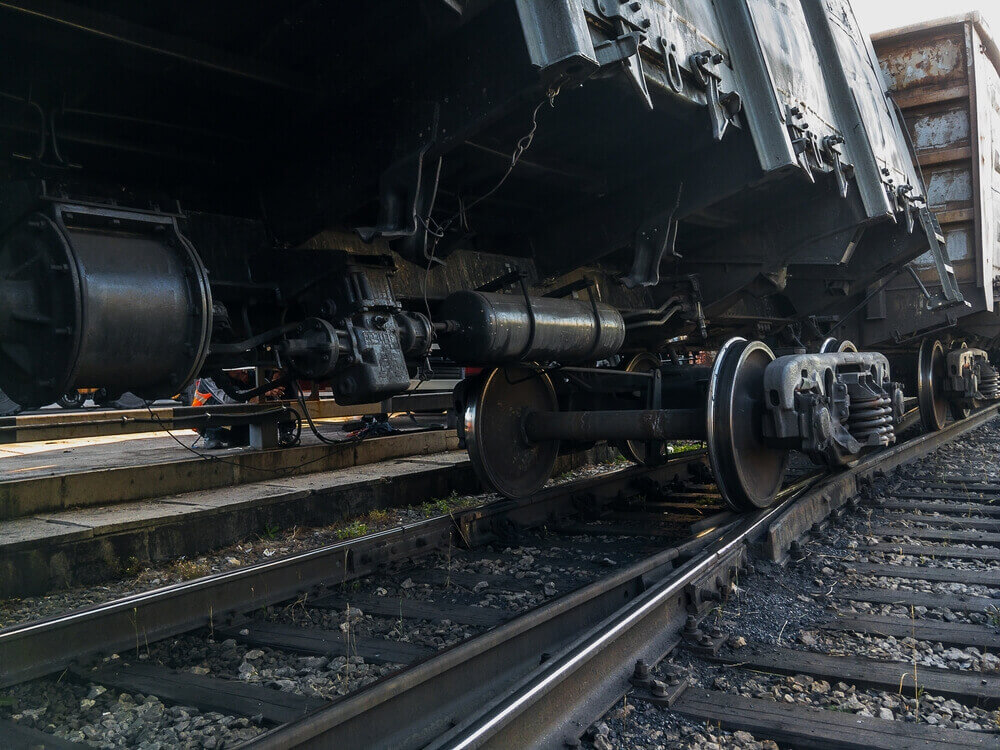
The force involved in a train collision often leads to catastrophic harm. Victims may suffer:
Recovery can take months or even years, and some injuries can have a permanent impact on mobility or cognitive function. Beyond physical trauma, many people experience emotional distress that disrupts daily routines and family life. These consequences warrant thorough consideration when assessing the true cost of a railroad accident.
Long-term care is another concern. Some injuries require ongoing therapy, assistive devices, or home modifications that create lasting financial strain. When injuries prevent a return to previous employment, families must adjust to reduced income and altered career paths. A proper evaluation of these losses is crucial for obtaining fair compensation.
No Fees Unless We Win
Get In Touch With Us
713-333-1030
Liability in railroad cases depends on the circumstances surrounding the incident. Potentially responsible parties may include:
Each party plays a different role in railroad operations, and even a small failure at any level can contribute to a serious accident.
When government agencies are involved, Texas law establishes specific notice requirements for claims, adding another layer of complexity to these cases. According to Texas Civil Practice and Remedies Code § 101.101, injured parties must provide timely notice when pursuing claims against government entities. Missing this step can limit legal options, even in cases of severe injuries. Identifying all liable parties shortly after the accident allows evidence to be preserved and ensures responsibility is properly assigned. This is a critical part of building a strong and effective case.
Railroad accident claims may seek compensation for medical expenses, lost income, reduced earning capacity, and ongoing rehabilitation needs. Pain, emotional strain, and loss of enjoyment of life are also considered when injuries disrupt normal living. In fatal accidents, surviving family members may pursue damages related to funeral costs and loss of financial support. The value of a claim depends on the severity of harm and the long-term impact on the injured person’s life.
Future damages are often overlooked in the early stages. Many railroad injuries involve complications that appear months after the initial incident, including chronic pain or limited mobility. Accounting for anticipated medical care and long-term support ensures that compensation reflects the full scope of harm, rather than just immediate expenses.
Time limits apply to every railroad injury claim, and missing a deadline can prevent recovery altogether. The applicable deadline depends on the type of claim, the parties involved, and whether federal or state law applies. Claims involving government entities require faster action due to notice rules, while other cases follow standard limitation periods. Acting promptly helps protect evidence and preserve the right to pursue compensation.
In railroad cases, delays can also impact the availability of critical evidence. Surveillance footage, onboard data, maintenance logs, and witness recollections may only be preserved for a limited time. As weeks pass, records can be lost, overwritten, or altered as part of routine operations. Early action allows these materials to be secured before they disappear.
Timing also affects medical documentation. Seeking care promptly establishes a clear connection between the accident and the injuries sustained. When treatment is delayed, insurance representatives may argue that the injuries resulted from another cause or were less severe than claimed. Understanding how deadlines and documentation work together can make a meaningful difference in the strength of a railroad accident claim.
No Fees Unless We Win
At Kherkher Garcia, our approach focuses on careful investigation and clear communication. We work to gather maintenance records, witness accounts, and expert analysis that explain how safety failures led to injury. Each case is prepared with meticulous attention to detail, as railroad companies often challenge claims aggressively. By presenting well-supported facts and a clear narrative, we aim to show the full scope of harm that our clients face.
Taking the next step can feel difficult after a serious injury, but support is available. Speaking with our team provides you with the opportunity to ask questions, gain clarity about your legal rights, and better understand what the path forward may entail. We take the time to listen, review the details of your situation, and explain the process in a clear and manageable way.
For guidance tailored to your circumstances, reach out to Kherkher Garcia LLP by calling 713-333-1030, and learn how we can help you pursue accountability and meaningful financial recovery with confidence.
Jesus Garcia Jr. is a founding partner of Kherkher Garcia LLP and a nationally recognized trial lawyer with more than 20 years of experience representing victims of catastrophic injury and wrongful death caused by corporate negligence.
Raised in Rio Grande City, Texas, Jesus brings a deep understanding of hard work, perseverance, and accountability to every case he handles. His commitment to justice has led to record-setting verdicts and settlements, including some of the largest recoveries in Texas history.
Known for his trial-ready approach and relentless advocacy, Jesus has dedicated his career to holding powerful corporations accountable and fighting for families when they need it most.
Terry Yates is a seasoned trial lawyer with decades of experience handling complex civil and criminal matters across Texas and nationwide. A lifelong Texan, he brings deep courtroom knowledge shaped by years of public service and private practice.
Board Certified in Criminal Law by both the Texas Board of Legal Specialization and the National Board of Trial Advocacy, Terry has tried numerous high-profile cases and previously served as an Assistant District Attorney in Harris County. He is also a graduate and former faculty member of the Trial Lawyers College under renowned trial attorney Gerry Spence.
In addition to his legal practice, Terry serves as an Associate Judge for the City of West University Place and as a legal analyst for ESPN radio.










Client Reviews


Outstanding law firm—the staff graciously took care of me from start to finish. I was intimidated by the legal process in general, but after meeting with Kherkher Garcia, that fear went right out the window. My attorneys explained each step of the process and remained helpful through it all. I never doubted that my case was in the best hands!! Thank you Kherkher Garcia!
Steve Kherkher was a pleasure to work with. He took care of every little detail of our case from start to finish. His staff were wonderful also. This law firm goes above and beyond to help their clients. I would 100% recommend them to anyone I know. Thank you Steve for caring about our family and making sure our grandson was taken care of after his dad’s wrongful death. I cannot say thank you enough!
My experience with Kherkher & Garcia has been great. The attorneys are highly skilled and professional. The communication has been excellent. They are results oriented and they take care of their clients.
Couldn’t have chosen a better law firm ! Steve will fight tooth and nail to make sure you get what you deserve . They kept me informed throughout the whole process, and made sure to explain everything in detail. Nice , caring , and honest people ! 10 / 10 would recommend !!
Jesus Garcia is one of the best trial lawyers I have seen in action. He commands the attention of the jury when he speaks. He is a down to earth person and that is probably why he gets amazing results. He is professional and will treat you with respect. If you ever need a personal injury lawyer, I highly recommend that you call Jesus Garcia.
It is difficult to share some of the most tragic details you will ever experience with someone you don’t know. The Kherkher Garcia law firm will make you feel like family. They are there for you every step of the way when you don’t know which direction to go. Honest and fair. You will be happy you chose them.
The attorney and staff was very polite, responsive, and hard working during this difficult process. They took the time to keep me up to date with any and all proceedings. Very knowledgeable and ethical practice and would highly recommend.
View More Reviews on Google Maps

This page has been written, edited, and reviewed by a team of legal writers following our comprehensive editorial guidelines. This page was approved by attorneys Steve Kherkher and Jesus Garcia Jr., who have more than 50 years of combined legal experience championing the rights of those who have experienced catastrophic injury due to negligence.
Connect with a Kherkher Garcia trial lawyer today to pursue maximum compensation for your injury.

 Call Us 713-333-1030
  Call Us 713-333-1030
 Message Us
  Call Us