
Call Us Today
Call Us Today
We won a verdict for a single plaintiff in an action against a multi-national pharmaceutical company.
We won a jury verdict for a client who suffered head trauma and permanent scarring in an ATV rollover case in South Texas.
Won a settlement against a Fortune 500 pipeline company for burn victims of a plant explosion in South Texas.
Won settlement for family who lost loved one in trucking crash.
1B+ Recovered | 400+ Jury Trials | 30+ Years of Experience | 99% Success Rate
When you need an offshore injury lawyer in Houston, experience with federal maritime law matters. Kherkher Garcia LLP understands the legal and physical aftermath that follows a serious maritime accident. The Gulf of Mexico sits at Houston’s doorstep, and thousands of workers head offshore every day on drilling rigs, supply vessels, platforms, and pipelines.
Miles from shore, injured offshore workers face a legal framework unlike anything found in standard workplace injury law. Federal maritime statutes govern these claims, employers and insurers respond quickly, and the window to act is narrow.
Kherkher Garcia LLP has spent more than 30 years building and winning complex injury cases, including those that occur offshore.
Offshore injury claims require early investigation, command of federal maritime law, and the resources to go up against well-funded vessel owners and employers. At Kherkher Garcia LLP, our team’s approach includes immediate evidence preservation, independent investigation to identify all responsible parties, coordination with maritime and medical professionals, and thorough evaluation of every applicable statute. Cases are prepared for litigation from the outset because the opposing side responds differently when they know a firm is ready to go to trial.
Kherkher Garcia LLP has secured significant results for workers injured in offshore, oilfield, and maritime work environments:
Past results do not reflect the outcome of future cases. The outcome of any individual case depends on its unique facts, circumstances, and applicable law.
At Kherkher Garcia LLP, our team handles a wide range of maritime and offshore injury claims arising from offshore operations, including:
Offshore work exposes workers to hazards that land-based jobs do not. Remote locations, weather factors, heavy equipment, volatile materials, and round-the-clock operations create conditions where injuries can be severe and medical attention is never immediate. Several factors make these claims legally distinct:
Houston’s position along the Gulf Coast places offshore workers in the path of some of the most severe marine weather conditions in the United States. Hurricane season runs from June through November, bringing high winds, heavy swells, and limited visibility. Outside of storm season, the Gulf routinely produces fog, sudden squalls, and strong currents that affect vessel stability and crew safety.
Drilling schedules, crew rotations, and production targets continue regardless of weather conditions. When employers fail to account for those conditions through inadequate equipment, poor vessel maintenance, or insufficient safety protocols, the legal consequences can be significant.
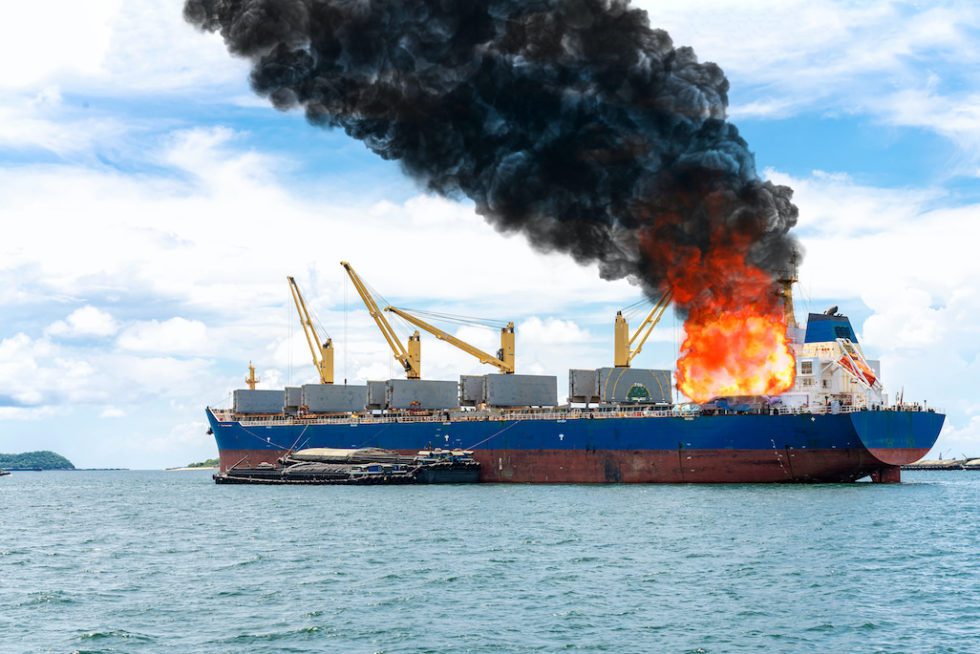
Offshore injury claims are governed by federal maritime law, not Texas state law. The applicable statute depends on where the injury occurred and the worker’s role at the time.
The Jones Act, codified at 46 U.S.C. § 55102, is the primary federal protection for injured seamen who spend a substantial portion of their employment aboard a vessel in navigation. It allows an injured seaman to bring a negligence claim against their employer, with a lower causation standard than most civil claims; the employer’s negligence need only contribute to the injury. The Jones Act also grants the right to a jury trial in personal injury actions and carries a three-year statute of limitations.
The Longshore and Harbor Workers’ Compensation Act (LHWCA) covers maritime workers who do not qualify as seamen under the Jones Act. Under 33 U.S.C. § 903, compensation is payable for disability or death resulting from an injury on the navigable waters of the U.S.United States, including adjoining piers, wharves, dry docks, terminals, and other areas used in loading, unloading, repairing, or building a vessel.
The Death on the High Seas Act (DOHSA), codified at 46 U.S.C. §§ 30301–30308, applies when a death occurs at greater than three nautical miles from U.S. shores. It allows the decedent’s personal representative to bring a civil action against the responsible party for the benefit of the decedent’s spouse, parent, child, or dependent relative. Recovery under the DOHSA is limited to pecuniary losses suffered by those surviving family members.
Maintenance and cure requires a vessel owner to support an injured seaman in two ways. Maintenance is a daily living allowance during recovery. Cure covers medical treatment until the seaman reaches maximum medical improvement. This obligation exists regardless of fault. Employers who unreasonably withhold these payments may face additional penalties under maritime law.
The Outer Continental Shelf Lands Act (OCSLA) governs workers on fixed platforms and structures on the Outer Continental Shelf, the federal waters extending from three to 200 nautical miles offshore. Workers on drilling platforms and production facilities in the Gulf of Mexico may fall under OCSLA rather than the Jones Act. OCSLA incorporates the law of the adjacent state as surrogate federal law, meaning Texas law may apply to these claims through a federal framework.

Our trial lawyers will go the distance against corporations and insurance companies to win the maximum compensation in your case.
We stand ready to fight for you against the injustices caused by negligent actions throughout the state of Texas and across the Nation.
Most offshore injuries trace back to a specific failure in the chain of operations. Determining where that failure occurred is what establishes liability. For Houston residents who work offshore, the following are among the most common sources of injuries:
Offshore accidents frequently result in serious injuries. Distance from shore and delays in medical evacuation mean conditions can worsen before proper treatment is available.
Traumatic brain injuries (TBIs) result from blows to the head, falls, or blast force, all common in offshore explosion and equipment accidents. TBIs range from concussions to permanent cognitive impairment and may not be immediately apparent.
According to MedlinePlus, spinal cord injuries can be complete or incomplete. With a complete injury, the spinal cord cannot send signals below the injury level, resulting in paralysis. An incomplete injury may preserve some movement and sensation. Both categories require extensive ongoing care and can permanently limit a worker’s ability to return to employment.
Petroleum and gas work environments often include ignition risks. When prevention or containment systems fail, the consequences can be catastrophic. Burn injuries sustained offshore often cover large portions of the body and require multiple surgical procedures, including skin grafts, with extended recovery timelines. Secondary complications, including infection and respiratory damage from smoke inhalation, frequently extend the amount of medical treatment required.
Heavy equipment, high-tension lines, winches, and machinery create constant amputation and crush injury risk on offshore vessels and platforms. Workers who sustain amputations face permanent changes to their capacity to work, their daily routines, and their overall quality of life. Crush injuries to hands, feet, and limbs may require multiple surgeries and extended rehabilitation, and may also require amputation.
The compensation available after an offshore injury depends on which federal statute governs the claim and the facts of the accident. Recoverable damages may include:
At Kherkher Garcia LLP, our team evaluates every applicable avenue of recovery based on the specific facts of each case.
The steps taken immediately following an offshore accident affect both the worker’s health and the strength of any legal claim that follows. Acting promptly and carefully on each of the following can make a measurable difference:
Please read: When to Call a Maritime Lawyer
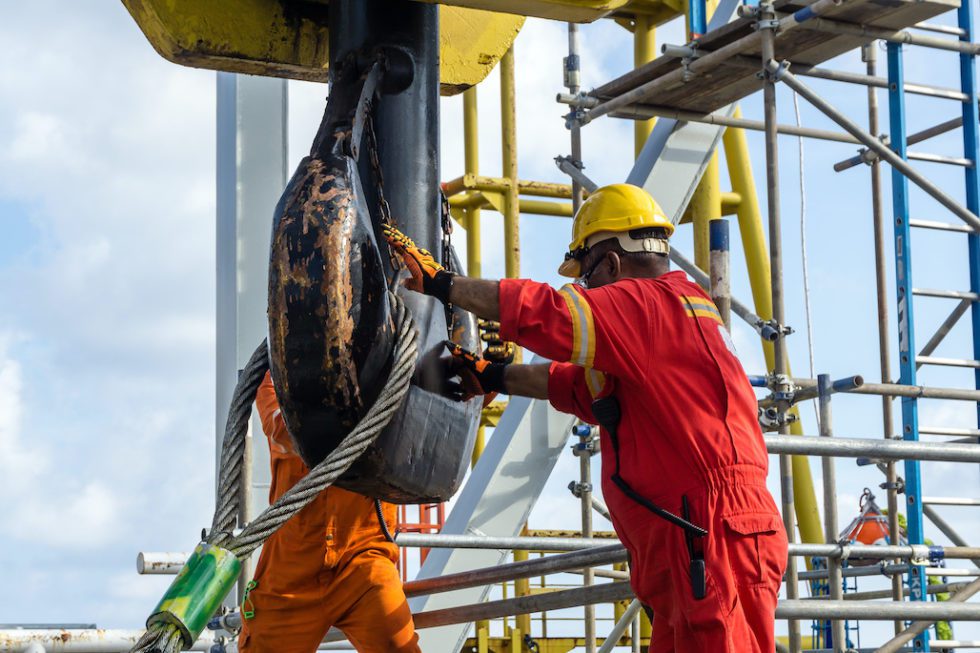
After an offshore accident, the timeline for preserving evidence and filing a claim moves fast. Kherkher Garcia LLP knows how important it is to move quickly in protecting victims’ rights. Our team is skilled at securing records, identifying liable parties, and building a case in a timely manner.
Call us at 713-333-1030 to speak with an offshore injury lawyer in Houston and receive a free consultation. There are no fees unless compensation is recovered.
Steve Kherkher is passionate about serving his clients. He has dedicated his life to championing the rights of those who have experienced catastrophic injury due to negligence.
Steve Kherkher, along with Trial Lawyer Jesus Garcia, founded Kherkher Garcia, and under their leadership, the firm achieved unprecedented success within its first three years.
With a career spanning over 35 years, Steve’s tireless pursuit of justice for his clients has earned him national recognition and numerous accolades as an exemplary trial attorney.
Jesus Garcia Jr. is a founding partner of Kherkher Garcia LLP and a nationally recognized trial lawyer with more than 20 years of experience representing victims of catastrophic injury and wrongful death caused by corporate negligence.
Raised in Rio Grande City, Texas, Jesus brings a deep understanding of hard work, perseverance, and accountability to every case he handles. His commitment to justice has led to record-setting verdicts and settlements, including some of the largest recoveries in Texas history.
Known for his trial-ready approach and relentless advocacy, Jesus has dedicated his career to holding powerful corporations accountable and fighting for families when they need it most.

Offshore work in the Gulf of Mexico carries risks that most workers on land never face, and when an accident occurs miles from shore, the path to compensation is anything but straightforward. At Kherkher Garcia LLP, our team of personal injury lawyers understands the complexities of federal maritime and offshore injury law and is prepared to pursue the full accountability injured workers deserve. When you need an offshore injury lawyer near you in Houston you can trust, we are ready to put our experience to work for you.
Visit us at 2925 Richmond Ave., Suite 1560, Houston, Texas 77098, or call 713-333-1030 for a free consultation today.















Client Reviews


We experience the best lawyer in the world who has an impeccable track record of winning cases and providing top-notch legal representation. Their dedication, expertise, and passion for justice set them apart from other attorneys. With their guidance and support, we feel confident and reassured that our legal matters are in the best hands possible. Thank you to the best lawyer in the world for always going above and beyond for their clients.
It is difficult to share some of the most tragic details you will ever experience with someone you don’t know. The Kherkher Garcia law firm will make you feel like family. They are there for you every step of the way when you don’t know which direction to go. Honest and fair. You will be happy you chose them.
Aggressive firm ready to meet each client’s needs. Have yet to meet a client not incredibly impressed by this firm. If you’re looking for quality representation, look no further.
Want to take my time to express how I feel about my experience with Kherkher Garcia LLP my whole case was tuff but for the team who tackled on the fight where amazing hands down the greatest I had a rough time but they where their for me all the way Kevin Haynes amazing attorney hands down great person and always stood beside me as well as everyone else around wen I need the most help for my case I highly recommend for anyone looking to take on the fight for you Kherkher Garcia LLP are their for u great hospitality and amazing at what they do
Jesus Garcia is one of the best trial lawyers I have seen in action. He commands the attention of the jury when he speaks. He is a down to earth person and that is probably why he gets amazing results. He is professional and will treat you with respect. If you ever need a personal injury lawyer, I highly recommend that you call Jesus Garcia
View More Reviews on Google Maps
The applicable deadline depends on the specific statute governing the claim, which is determined by the facts of the accident and the worker’s role at the time. Most maritime laws have between a 1-3 year statute of limitations.
Jones Act protection applies to seamen who spend a substantial portion of their employment aboard a vessel in navigation, generally at least 30% of working time.
Federal law prohibits employer retaliation against workers who report injuries or pursue legal claims. Employers who retaliate through termination, demotion, or blacklisting face additional legal exposure.
Maintenance and cure is a maritime obligation requiring the vessel owner to pay a daily living allowance and cover medical costs during a seaman’s recovery, regardless of fault. Benefits continue until the seaman reaches maximum medical improvement.
Surviving family members may have the right to pursue a wrongful death claim under federal maritime law when a worker dies in an offshore accident. Recoverable damages may include lost financial support, funeral expenses, and loss of the decedent’s companionship.

This page has been written, edited, and reviewed by a team of legal writers following our comprehensive editorial guidelines. This page was approved by attorneys Steve Kherkher and Jesus Garcia Jr., who have more than 50 years of combined legal experience championing the rights of those who have experienced catastrophic injury due to negligence.
Connect with a Kherkher Garcia trial lawyer today to pursue maximum compensation for your injury.


