Call Us Today
Call Us Today
Steve Kherkher - November 25, 2025


Sexual abuse is one of the most devastating violations a person can experience. When that abuse occurs within a religious community, the emotional, spiritual, and psychological harm can be even more profound. This is especially so in groups as close-knit and culturally influential as the Church of Jesus Christ of Latter-day Saints (LDS Church). Survivors often struggle not only with trauma, but also with feelings of betrayal, fear of community backlash, and confusion about how to speak up.
If you or someone you love has suffered abuse within the LDS Church, please know this first:
Survivors and families of religious-based abuse have legal rights, and those rights exist even when powerful institutions fail to protect them.
At Kherkher Garcia, we are committed to helping individuals and families pursue justice in the face of devastating injuries. Our Mormon church lawsuit attorneys created the guide below to help victims understand what LDS abuse cases may involve. We provide insight into what legal options you may have and how our knowledgeable and compassionate attorneys stand with you through every step of the process.
The LDS Church is built on strong cultural expectations, extensive family ties, and a structured hierarchy of leaders. These characteristics can cultivate deep trust. Unfortunately, they can also create opportunities for predators to manipulate others and silence victims.
Survivors of LDS abuse often report:
Abuse in religious environments can be especially damaging because survivors may be taught that leaders speak with divine authority. Similarly, they may hear that questioning the Church reflects poorly on their faith. This dynamic can silence victims for years or even decades.
The LDS community’s commitment to modesty, hierarchy, and obedience can create challenges for survivors seeking help. Some of the most common include:
These fears are real. What’s more, they keep survivors silent far too long. But you deserve to know: you still have rights, and you still have options.
Survivors of religious-based sexual misconduct – including LDS abuse – may have powerful legal options. These rights protect adults and minors alike, and they apply even when the abuse happened years ago. Here are a few important things you should know if you are considering legal action against the LDS Church.
Survivors can pursue civil claims against:
The law recognizes that institutions can be held responsible when they fail to protect children or vulnerable adults.
In recent years, many states have extended or eliminated deadlines for filing sexual abuse claims. That means you may be able to file a lawsuit even if:
A qualified attorney can help you determine your eligibility based on your location and the facts of your case.
Survivors of LDS abuse may be entitled to compensation for:
No amount of money can erase what happened to you. However, financial recovery can support healing, stability, and closure.
Regardless of the church’s internal policies or cultural norms, sexual abuse is a crime. Survivors have the right to be heard by law enforcement and to pursue criminal charges if they wish.
LDS abuse cases are sensitive. Legal actions involving sexual abuse can often be filed anonymously. Survivors can also request protective orders to safeguard sensitive information. At attorney can help you through this process.
Kherkher Garcia has built a reputation as a fierce, trauma-informed, survivor-focused law firm. We understand the heavy emotional burden survivors carry, especially those whose abuse is tied to faith, community, or family identity.
We engage with survivors gently and patiently, allowing them to move at their own pace. You never have to relive details you’re not ready to share, and your comfort always comes first.
Our legal team has extensive experience handling sexual misconduct cases involving:
We hold even large and tech-savvy organizations accountable for negligence and cover-ups.
Many LDS abuse cases involve years of records, multiple witnesses, and institutional knowledge. We have the resources to conduct:
You are not expected to gather evidence on your own. Our team handles that for you.
Survivors are often nervous that the legal process will be overwhelming. And while there are some complicated aspects of the legal process, that burden falls on us. We make sure your questions are answered, your voice is heard, and your choices are respected.
Healing is not linear, and there’s no “right” time to speak out. But if you feel ready, these steps can be helpful:
Even brief notes written only for yourself can be helpful to organize memories that might support your case later.
Keep records of documents and evidence, such as:
You do not need to confront anyone. Request documents from the church, or alert leaders. Your attorney can handle direct contact.
Survivors deserve emotional support. A counselor specializing in trauma can also help you process feelings as you take legal steps.
A legal advocate can help you understand whether you have a claim, what the process may involve, and how to protect yourself from retaliation or intimidation.
If you have questions about LDS Church sexual abuse lawsuits, Kherkher Garcia can help. Below are some of the more common questions we receive from victims and their families.
Yes. Many states have expanded their statutes of limitations for childhood sexual abuse. You may still be eligible even if decades have passed.
Not necessarily. Many cases can be filed under pseudonyms, and your privacy can be legally protected. Your attorney can advise you on how to minimize exposure.
Internal church procedures do not override your legal rights. Sexual abuse is a crime, and institutions can be held liable for discouraging proper reporting.
Many religious-based abuse cases settle before trial. Even if a case does goes to court, survivors often have options to avoid direct contact.
You still have rights. Abuse within families is tragically common and often perpetuated by harmful cultural silence. Legal action can still be taken.
We work on a contingency fee basis. That means you pay nothing upfront. We only get paid if we win your case.
If you survived abuse within the LDS Church, you may be carrying trauma, confusion, guilt, or fear. You should know that you are not alone. Furthermore, you do not have to navigate this process on your own.
The attorneys at Kherkher Garcia are committed to standing beside survivors with compassion, respect, and unwavering advocacy. We believe in transparency, trauma-informed support, and helping you reclaim your voice.
Your story matters. Your healing matters. And your future matters.
Contact Kherkher Garcia for a confidential, no-obligation consultation. Whether you’re ready to take legal action or simply need information, we are here for you every step of the way. You can get started right away by calling us at 713-322-4288. Or, you can reach out to us online via our website contact form.
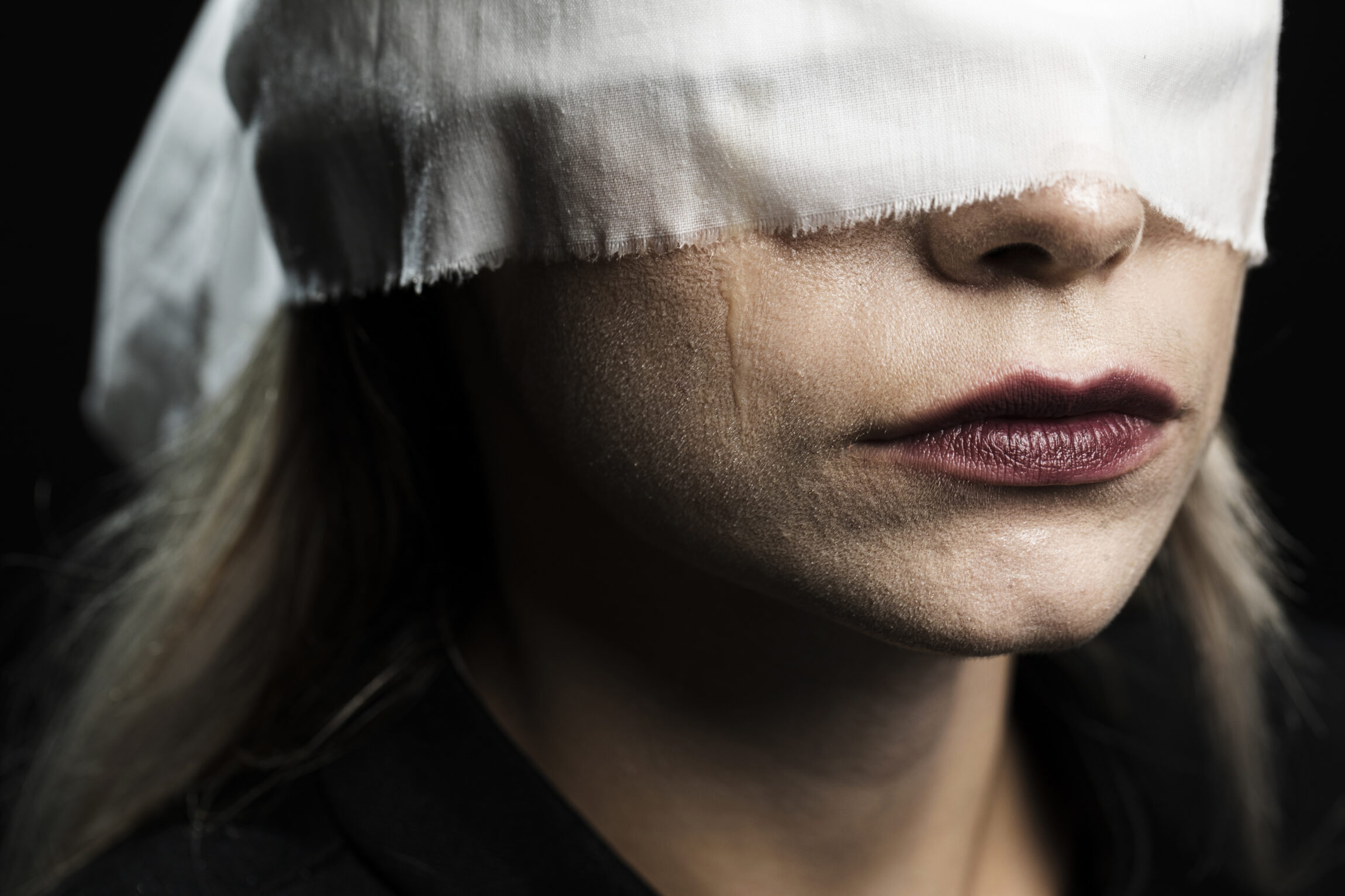
Image by jcomp on Freepi

This page has been written, edited, and reviewed by a team of legal writers following our comprehensive editorial guidelines. This page was approved by attorneys Steve Kherkher and Jesus Garcia Jr., who have more than 50 years of combined legal experience championing the rights of those who have experienced catastrophic injury due to negligence.
Connect with a Kherkher Garcia trial lawyer today to pursue maximum compensation for your injury.