Call Us Today
Call Us Today
Steve Kherkher - November 16, 2026


A construction project in Montgomery County, Pennsylvania, recently resulted in a major underground fuel spill after excavation work struck a pipeline carrying aviation fuel. The incident prompted road closures, evacuations, and a shelter-in-place advisory for nearby residents. While there were no injuries reported immediately, the incident highlights the serious risks that arise when construction activities take place near underground fuel infrastructure.
On November 5, 2026, a contractor working near East 4th Street, also known as River Road, and Coates Street in Upper Merion Township struck a 14-inch underground pipeline owned by Sunoco. The pipeline was carrying jet fuel, which began leaking onto the surrounding property and into an adjacent quarry.
Officials report the total release at approximately 60,000 gallons. Emergency responders shut down the pipeline, nearby residents were temporarily instructed to shelter in place, and portions of Route 23 were closed. The shelter-in-place order was later lifted, and officials reported no injuries. Cleanup and environmental monitoring continued in the days that followed.
Although the immediate emergency response helped contain the incident, the spill underscores the potential consequences of underground pipeline damage during construction and excavation projects.
Underground fuel leaks can create hazards that are not immediately visible. Unlike spills occurring entirely above ground, fuel released beneath the surface may migrate through soil, enter drainage systems, contaminate groundwater, or accumulate in low-lying areas.
Aviation fuel and other petroleum products can also release flammable vapors. Depending on the circumstances, these vapors may create fire or explosion hazards.
Exposure to petroleum products may also present health concerns. Depending on the substance, exposure route, concentration, and duration, individuals may experience:
Certain petroleum-related chemicals, including benzene, can present additional long-term health concerns.
In the Pennsylvania incident, environmental response teams deployed air monitoring equipment to evaluate potential contaminants, including benzene and other volatile organic compounds. Officials later reported that monitoring had not detected elevated levels above health-based safety thresholds in surrounding areas. Cleanup crews continued recovering fuel from the affected property and quarry.
Even when an incident does not result in immediately reported injuries, the potential for exposure and environmental damage makes proper pipeline protection and construction safety essential.
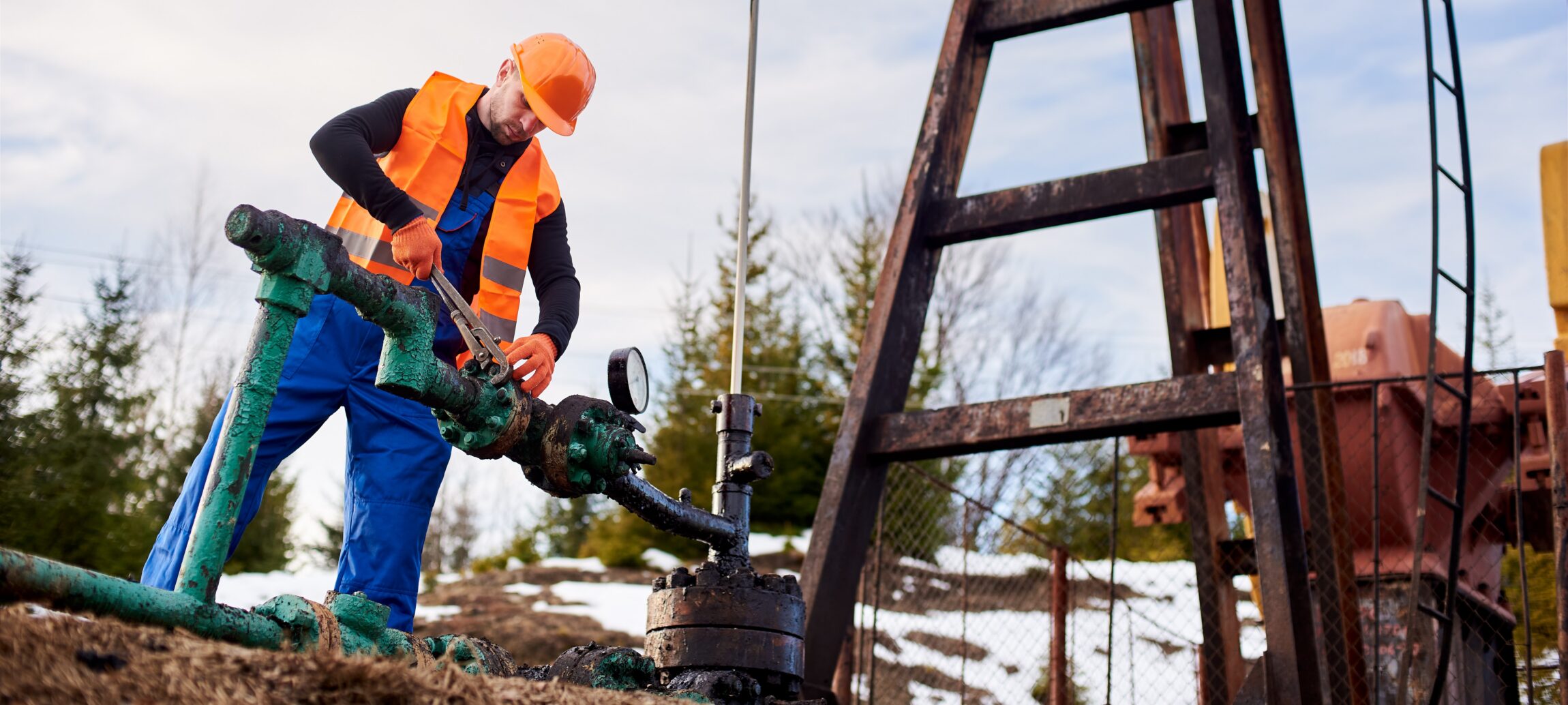
Construction and utility projects frequently require drilling, trenching, excavation, and other ground-disturbing activities. When underground pipelines are located near a project site, failing to identify and properly protect those lines creates risks.
Several factors may contribute to pipeline strikes during excavation:
Damage prevention systems, including 811 notification services, are intended to help identify underground utilities before excavation begins. However, compliance with notification and marking requirements does not eliminate every risk. Proper planning, communication, supervision, and safe digging practices remain important throughout a project.
When excavation work damages an underground fuel pipeline, determining responsibility requires examining the actions of multiple parties. Depending on the circumstances, potentially responsible parties may include:
In the Pennsylvania incident, officials identified a contractor working on an electric tower project as the party whose excavation activity struck the pipeline. The full circumstances surrounding the incident and any potential responsibility remain under investigation.
Pipeline strikes can create dangerous conditions for construction workers, nearby residents, and first responders. Depending on the nature and severity of an incident, potential injuries may include:
Fuel spills can also cause property damage, business interruptions, soil contamination, and potential impacts to nearby water sources.
Underground fuel leaks can affect more than the workers directly involved in an excavation project. Nearby residents, employees, business owners, and other members of the community may also face potential risks.
When a pipeline accident results in serious injuries, property damage, or other losses, affected individuals may have questions about who could be responsible and what legal options may be available. The answers depend on the specific circumstances, available evidence, and applicable law.
At Kherkher Garcia, we understand the serious consequences that construction accidents, pipeline failures, and industrial incidents can have on individuals and families. Our firm represents victims and families affect by catastrophic injuries and complex industrial accidents. If you or someone you love has been affected by a construction-related pipeline incident, contact us for a free consultation to discuss your questions and potential legal options.
Call us at 713-333-1030, or submit our online contact form to get started.
Image by Magnific
Steve Kherkher is passionate about serving his clients. He has dedicated his life to championing the rights of those who have experienced catastrophic injury due to negligence.
Steve Kherkher, along with Trial Lawyer Jesus Garcia, founded Kherkher Garcia, and under their leadership, the firm achieved unprecedented success within its first three years.
With a career spanning over 35 years, Steve’s tireless pursuit of justice for his clients has earned him national recognition and numerous accolades as an exemplary trial attorney.

This page has been written, edited, and reviewed by a team of legal writers following our comprehensive editorial guidelines. This page was approved by attorneys Steve Kherkher and Jesus Garcia Jr., who have more than 50 years of combined legal experience championing the rights of those who have experienced catastrophic injury due to negligence.
Connect with a Kherkher Garcia trial lawyer today to pursue maximum compensation for your injury.