Call Us Today
Call Us Today
Steve Kherkher - October 19, 2026


A natural gas pipeline rupture near the New Mexico-Colorado border on October 6, 2026 sent flames soaring more than 100 feet into the air. The blast ignited surrounding vegetation and forced emergency responders to monitor a volatile situation until the pipeline could be isolated. Firefighters said recent rainfall likely prevented the blaze from becoming a much larger wildfire.
For people who live or work near pipelines, the consequences of a rupture are often severe. At Kherkher Garcia, we understand how devastating industrial accidents, pipeline failures, and fires can be. Our oil and gas injury attorneys work with individuals and families affected by serious pipeline incidents. Understanding how these incidents happen and what legal options may be available can help affected individuals and families make informed decisions.
The pipeline explosion occurred shortly after 2 p.m. in the La Boca area of northwestern New Mexico, west of Navajo Lake and around one mile south of the Colorado border. The location is owned by the Bureau of Land Management.
According to officials, firefighters arrived to find flames reaching approximately 100 to 125 feet into the air from a ruptured 20-inch natural gas pipeline. The gas ignited nearby vegetation, starting a fire in the surrounding forest. Firefighters established a perimeter and monitored the situation while pipeline personnel worked to isolate the damaged pipe. At least two dozen firefighters and law enforcement personnel participated in the response.
The fire damaged a power pole causing power lines to fall across a road and interrupting electricity service to nearby residents. The flames burned for around two hours before gas workers could close valves on either side of the rupture. Four other pipelines in the vicinity also had to be shut down. No injuries were reported. However, the ground was left charred, and tree stumps continued to smolder more than a week after the incident.
Officials said recent rainfall helped limit the spread of the fire. Had the same incident occurred during a drier period, the fire could have developed into a much larger, and more difficult to control, wildfire. The pipeline was identified as belonging to Harvest Midstream Co. The cause of the rupture has not been established, and the company has not responded to media requests for comment.
A pipeline rupture can release a substantial amount of pressurized gas. If that gas encounters an ignition source, it may produce a fire that is difficult to approach safely and can threaten a much larger area than the immediate rupture site. The La Boca incident demonstrates how quickly a pipeline emergency can affect surrounding land and infrastructure. Oil workers, first responders and residents living near pipelines must be aware of the hazards and how to respond. Important considerations include:
Natural gas is combustible. When a pipeline ruptures, gas can escape under pressure and ignite if the conditions are right. The resulting flames may reach significant heights and generate intense heat. That heat endangers people, vegetation, equipment, and exposes surrounding structures to additional hazards and other fires.
The severity of a pipeline fire depends on factors such as the pipeline’s pressure, the amount of gas escaping, the location of the rupture, available ignition sources, and how quickly the flow can be stopped. Each incident must be evaluated based on the facts and available evidence.
When a pipeline rupture occurs near forests, grasslands, brush, or other combustible vegetation, an initial fire can spread beyond the pipeline corridor. Weather and environmental conditions also make a difference. Dry vegetation, low humidity, high temperatures, and wind contribute to faster fire spread. Recent rainfall may help reduce the likelihood of a fire spreading. However, wet ground does not eliminate the danger of a pipeline fire. Intense heat can still ignite nearby materials.
A wildfire that begins near a pipeline can threaten homes, roads, utility infrastructure, workers, and emergency personnel. Depending on the location and severity, it may also require evacuations, road closures, and a prolonged response. The fact that the La Boca fire remained relatively small should not detract from the potential consequences that similar fires often cause.
One of the most difficult challenges in a major pipeline fire is determining when responders can safely enter the area. A ruptured pipeline can release combustible gas while flames are active. The intense heat and fire can prevent emergency personnel from reaching the damaged pipeline or entering nearby areas to contain the fire.
At La Boca, wildland crews were unable to make a safe entry until the next morning. That delay illustrates how a pipeline incident can restrict emergency operations even when crews are already at the scene. Responders often need to establish safety perimeters, monitor changing conditions, evaluate nearby hazards, and coordinate pipeline operators before they can approach the rupture.
Pipeline corridors may contain multiple lines and other infrastructure or equipment. A failure involving one pipeline often requires responders and operators to assess nearby systems, as well. In the New Mexico incident, four additional pipelines were shut down while workers isolated the ruptured line. Falling power lines created a separate hazard across a road.
These developments illustrate how a single rupture can affect more than the damaged pipe itself. Electrical hazards, other pipelines, damaged roads, and disrupted utility service can all complicate emergency access. These incidents require coordination among pipeline personnel, first responders, and utility providers.
Pipeline failures can occur for different reasons, and identifying the cause requires an investigation. The U.S. Department of Transportation’s Pipeline and Hazardous Materials Safety Administration (PHMSA) identifies several broad categories associated with pipeline failures, including:
Depending on the incident, investigators may examine:
These are general categories of pipeline failure and are not findings about the New Mexico incident. The evidence from a specific rupture will determine which, if any, of these factors contributed.
A pipeline fire presents different challenges than many fires because the fuel may continue flowing from a pressurized system. Firefighters may be able to contain surrounding vegetation or protect nearby property, but controlling the source of a pipeline fire requires the pipeline operator to isolate the affected pipe and close appropriate valves. Until the flow of gas is stopped and the situation is assessed, the fire may continue to pose serious hazards.
Several factors can complicate the process of controlling or extinguishing a pipeline fire:
The PHMSA advises members of the public not to attempt to extinguish a natural gas pipeline fire or operate pipeline valves. People who suspect a pipeline emergency should move to a safe location and call 911.
Although no injuries were reported in the La Boca incident, pipeline explosions and fires often cause serious harm. Potential injuries may include:
The effects of these injuries may extend well beyond physical injuries. Residents may experience evacuation, loss of electricity, displacement, or disruption to their work and daily lives. Nearby residents, motorists, contractors, utility workers, and emergency responders may be exposed to hazards depending on the location and circumstances.
When a pipeline rupture causes injuries, property damage, or other losses, determining whether anyone may be legally responsible requires a fact-specific investigation. Depending on the circumstances, relevant questions may include:
Potentially relevant parties could include an operator, a contractor, or a manufacturer or supplier. Determining responsibility also depends on factors like technical records, inspection and maintenance histories, engineering analysis, incident reports, and testimony from people familiar with the incident.
If you or a family member has been injured in a pipeline explosion, medical care and immediate safety comes first. Once immediate needs have been addressed, there may be practical steps to consider:
Not every pipeline incident will support a legal claim. The availability of a claim can depend on whether someone suffered a legally recognized injury or loss, what caused the incident, and whether evidence supports responsibility. These important considerations are why it is so important to speak with a pipeline explosion attorney as soon as possible.
The New Mexico pipeline explosion demonstrates how a single incident can involve multiple factors, hazards, and potential victims. The incident also underscores why pipeline safety involves more than preventing injuries at the immediate rupture site. Pipeline emergencies affect the environment, utilities, nearby communities, and first responders.
If you or someone you love has been injured in a pipeline explosion, fire, or related industrial incident, you likely have questions about what happened and whether legal options are available. The oil and gas injury attorneys at Kherkher Garcia are here to help. Our attorneys help individuals and families navigate the aftermath of serious industrial accidents. We have more than 30 years of experience helping injury victims pursue compensation, even against major corporations.
Find out how we can help you by calling , or by submitting our online contact form to request a free consultation. We are here to listen, answer your questions, and help you understand your options.
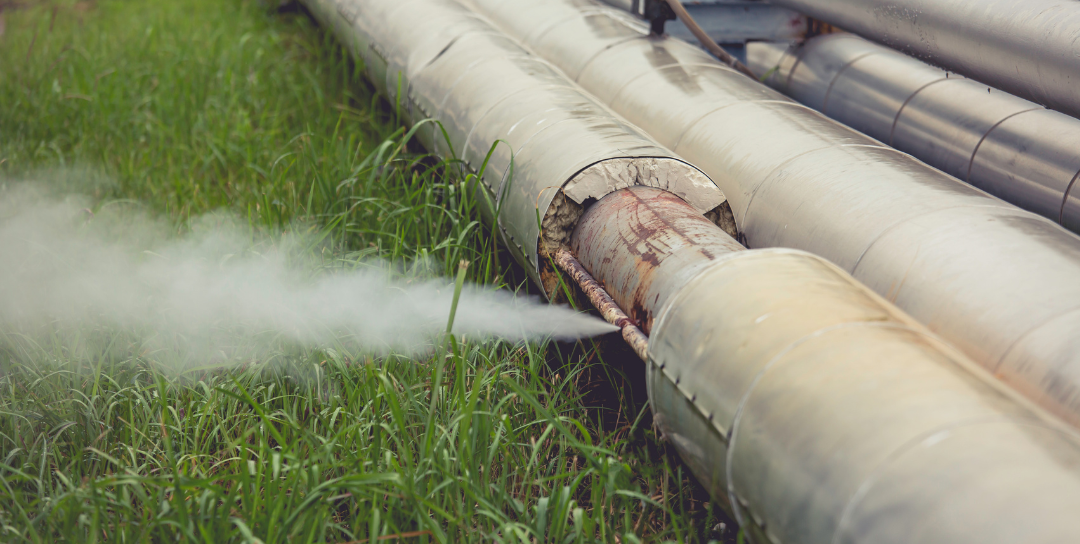
Image by LiuNian on Canva

This page has been written, edited, and reviewed by a team of legal writers following our comprehensive editorial guidelines. This page was approved by attorneys Steve Kherkher and Jesus Garcia Jr., who have more than 50 years of combined legal experience championing the rights of those who have experienced catastrophic injury due to negligence.
Connect with a Kherkher Garcia trial lawyer today to pursue maximum compensation for your injury.