Call Us Today
Call Us Today
Steve Kherkher - March 20, 2026


Oil and gas workers power one of the most critical industries in the United States. From offshore platforms in the Gulf to drilling operations across the Permian Basin, these workers perform demanding and dangerous jobs every day. While safety protocols should reduce risk, serious accidents still occur – especially when something goes wrong at an oil field or on a rig.
Among the most devastating of these incidents are explosions. Oil rig explosion injuries can be catastrophic, leaving workers and families facing life-altering consequences. Understanding how these explosions happen, the risks involved, and what legal options may be available is essential for anyone working in or around oil and gas operations.
Below, the oil and gas injury attorneys at Kherkher Garcia provide insight into these injuries and what victims and families can do to protect their rights.
Oil rigs are high-risk environments by nature. They combine:
When these elements interact, even a small failure can lead to a large-scale disaster. Oil rig explosion injuries often include:
These injuries are not minor. In many cases, workers require long-term medical care, multiple surgeries, and extensive rehabilitation. The physical and financial cost can be catastrophic.
While oil rigs are inherently dangerous, many explosions are preventable. Investigations into past incidents frequently point to failures in safety systems, maintenance, or oversight. Some of the most common causes of explosions include:
One of the leading causes of explosions is a blowout. This means an uncontrolled release of oil or gas from a well. When pressure control systems fail, flammable hydrocarbons can escape and ignite. Even modern safety systems, such as blowout preventers, can fail if they are not properly maintained or operated.
Oil rigs rely on complex equipment that must function properly at all times. Failures may involve:
When maintenance is inadequate, delayed or ignored, small issues can escalate into catastrophic failures.
Oil and gas are highly flammable. Even a small ignition can have devastating consequences. Common ignition sources include:
If flammable vapors are present, even a minor spark can trigger a major explosion.
Oil rig operations often involve multiple crews working simultaneously. Breakdowns in communication or training can lead to dangerous situations. Examples include:
In many cases, accidents occur not because of one mistake, but because of a chain of preventable errors.
Production pressures can sometimes lead to shortcuts. When safety procedures are rushed or ignored, risks increase significantly. Examples of shortcuts include:
These decisions may seem convenient, but they can have devastating consequences for workers.
Despite strict regulations, oil rig explosion injuries continue to occur. Several factors contribute to this:
In some cases, companies may prioritize productivity over safety—especially during high-demand periods.
An explosion doesn’t just affect the worker, it affects entire families. Victims may face:
Families often take on caregiving responsibilities while also dealing with financial stress and uncertainty. In fatal cases, families may be left coping with both grief and the sudden loss of financial support.
Workers injured in oil rig explosions may have legal rights depending on the circumstances of the accident.
Some workers may be eligible for workers’ compensation benefits, which can cover medical expenses and partial wage replacement. However, these benefits are often limited and may not fully compensate victims for long-term losses.
There are also many employers in Texas that do not subscribe to workers’ compensation insurance. These nonsubscriber employers leave workers without traditional benefits when an injury occurs.
For offshore workers, additional protections may apply under maritime law. These laws are designed to protect workers in dangerous offshore environments. Depending on the situation, offshore oil and gas workers may have the right to pursue claims for negligence and unsafe working conditions.
Many oil rig operations involve multiple companies. This can open the door to third-party claims against:
These claims may allow recovery for damages not available through workers’ compensation.
When an oil rig explosion results in loss of life, surviving family members may have the right to pursue a wrongful death claim. These claims may provide compensation for:
While no legal action can undo a tragedy, it may help families secure financial stability.
Determining what caused an explosion requires a detailed investigation. This may involve:
Because companies often conduct their own internal investigations, it is important for workers to have independent representation.
After an oil rig explosion, workers and families should consider speaking with an attorney if:
Early action can help preserve critical evidence and protect legal rights.
Kherkher Garcia has extensive experience representing workers injured in oil rig accidents, explosions, and other industrial incidents. Our team works diligently to:
We understand the complexity of oil and gas cases and the challenges workers face after serious injuries. Our team of attorneys is not afraid to tackle complex cases or companies responsible.
Oil rig explosion injuries can change lives in an instant. Workers who help power the energy industry deserve safe working conditions. They also deserve accountability and justice when those conditions are not met.
If you or a loved one has been injured in an oil rig explosion, Kherkher Garcia is here to help. We offer free, confidential consultations to review your situation and help you understand your options.
Contact our team today to learn how we may be able to assist you in pursuing compensation and answers after a serious oil field accident. Call us at 713-333-1030. You can also reach out to us online via our website contact form.
Many oil rig explosions are preventable with proper safety measures. Regular equipment maintenance, effective pressure control systems, proper worker training, and strict adherence to safety protocols can significantly reduce the risk of explosion.
Seek medical attention immediately and report the incident to your employer. If possible, document the scene and gather witness information. It is also important to speak with an attorney before providing statements to insurance companies or signing any documents.
In some cases, yes. While some workers may receive workers’ compensation benefits, additional legal claims may be available if negligence or third-party involvement contributed to the explosion. Lawsuits may also be available if your employer does not subscribe to workers’ compensation insurance.
Liability for an explosion may involve multiple parties, including oil companies, contractors, equipment manufacturers, and maintenance providers. An investigation is often needed to determine who may be responsible.
If a worker loses their life in an oil rig explosion, surviving family members may have the right to file a wrongful death claim. These claims may seek compensation for financial losses, funeral expenses, and the emotional impact of losing a loved one.
Deadlines vary depending on the type of claim and applicable law. In Texas, many personal injury claims are subject to a two-year statute of limitations, but certain cases, especially those involving offshore or maritime law, may have different timelines.
Oil rig explosion cases are often complex and may involve multiple companies, technical evidence, and industry regulations. An experienced attorney can help ensure that your rights are protected.
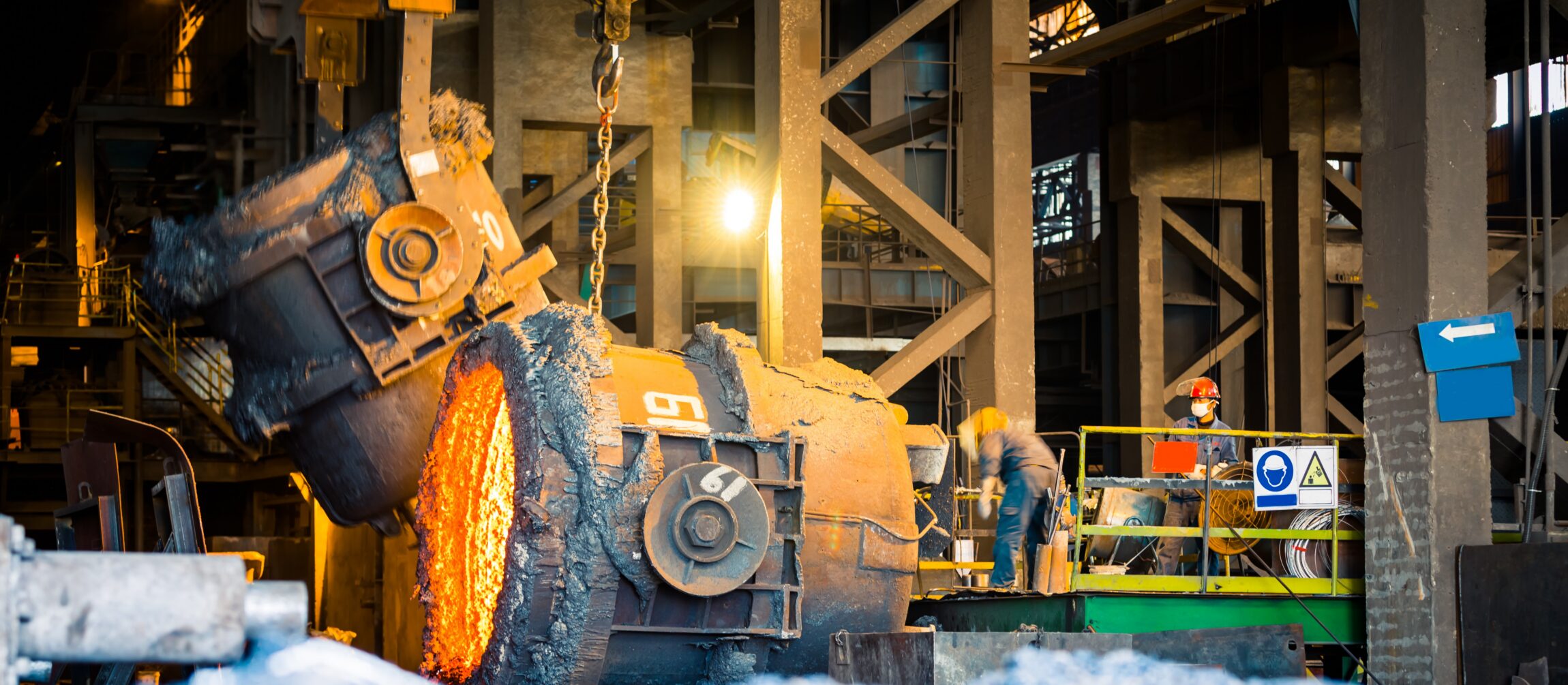
Image by atlascompany on Freepik

This page has been written, edited, and reviewed by a team of legal writers following our comprehensive editorial guidelines. This page was approved by attorneys Steve Kherkher and Jesus Garcia Jr., who have more than 50 years of combined legal experience championing the rights of those who have experienced catastrophic injury due to negligence.
Connect with a Kherkher Garcia trial lawyer today to pursue maximum compensation for your injury.