Call Us Today
Call Us Today
Steve Kherkher - October 27, 2026


When people think about workplace asbestos exposure, insulation work is often the first occupation that comes to mind. The truth is that asbestos exposure was much more widespread than most people really know. Before it was regulated, asbestos was also widely used in many industrial, construction, automotive, and maritime products. As a result, workers in numerous other occupations may have encountered asbestos while performing routine job duties.
Pipefitters, mechanics, electricians, boilermakers, shipyard workers, demolition crews, and maintenance personnel are among the occupations that may have involved asbestos exposure. The risk of exposure would have depended on the materials, work practices, and job sites involved. The National Institute for Occupational Safety and Health (NIOSH) and the Agency for Toxic Substances and Disease Registry (ATSDR) identify a broad range of occupations and industries where workplace exposure has occurred.
Understanding where exposure may have occurred can be important for workers who later develop mesothelioma or other asbestos-related diseases. Understanding when, where, and how asbestos exposure occurred is also an important part of understanding your legal rights.
Asbestos exposure is not limited to workers who directly install or remove insulation. Depending on the workplace and materials involved, exposure may occur during repairs, renovations, equipment maintenance, manufacturing, or demolition. Now that there are bans on asbestos-containing materials, the risk of exposure is much less. However, historically, and continuing today, there is still some risk for workers in the following industries:
Pipes carrying steam, hot water, or industrial materials were historically insulated with asbestos-containing products. Pipefitters, plumbers, and steamfitters may have encountered these materials while installing, repairing, or replacing pipes, valves, and fittings.
Removing old insulation or disturbing surrounding materials could release airborne fibers if asbestos was present. Workers performing maintenance in older industrial facilities may also have worked near other trades handling asbestos-containing materials.
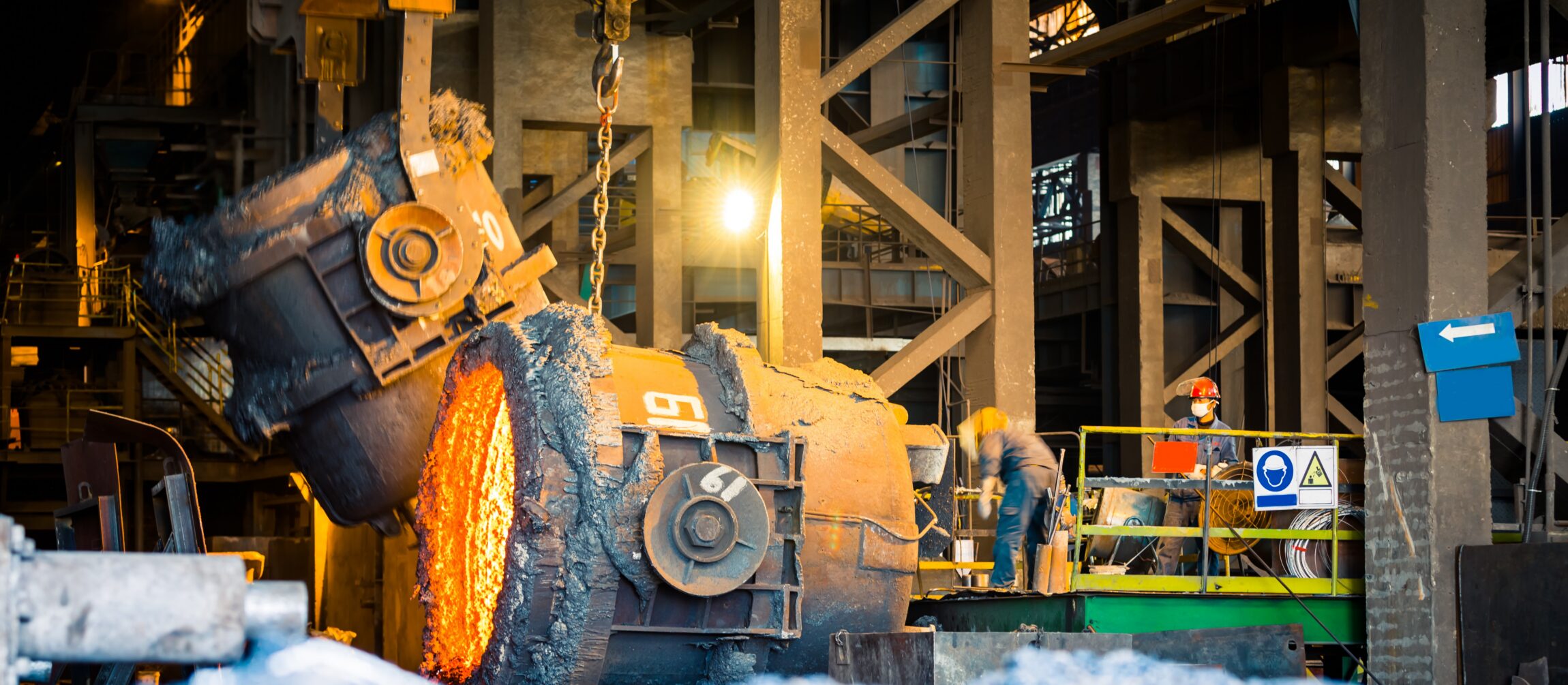
Boilers, furnaces, heat exchangers, and other industrial equipment historically incorporated asbestos-containing insulation, gaskets, packing, and heat-resistant materials.
Boilermakers and maintenance workers may have encountered asbestos while opening equipment, replacing components, or conducting repairs. These tasks could disturb materials that had remained in place for years. The potential for exposure today depends on the equipment, its age, and the work performed.
Electricians may have worked around asbestos-containing materials in older buildings, industrial plants, and power facilities. Potential sources could include insulation products, electrical components, and building materials. Heating, ventilation, and air-conditioning technicians may also have encountered asbestos-containing insulation around ducts, pipes, boilers, and mechanical systems.
Asbestos was historically used in some vehicle brake linings, clutch components, and related friction products. Asbestos is very durable and heat resistant. Automotive mechanics who repaired brakes or clutches may have encountered asbestos-containing materials during their work. The potential for exposure would depend on the products involved and the methods used to service them.
The Occupational Safety and Health Administration (OSHA) identifies automotive brake and clutch repair as work that may involve asbestos exposure. OSHA has also created guidelines and bulletins for automotive work because there is a potential for exposure when working with older vehicles or components.
Asbestos was used in certain shipbuilding and repair applications, including insulation around piping and exhaust systems and fire-resistant materials in some shipboard spaces. Shipyard workers may have encountered asbestos during vessel construction, maintenance, or dismantling. Pipefitters, electricians, welders, mechanics, and other workers aboard vessels or in shipyards may have faced potential exposure depending on the tasks and materials present.
Maritime employees may be still at risk for exposure. OSHA specifically addresses asbestos exposure in shipyard employment, including work involving the repair, maintenance, renovation, and dismantling of vessels and structures containing asbestos.
Older buildings often still contain asbestos in certain flooring products, ceiling materials, roofing, insulation, and other construction components. Construction and renovation workers may encounter these materials when drilling, cutting, sanding, removing, or replacing building components. Demolition workers may also disturb asbestos-containing materials if they are present in the structures being renovated or dismantled.
Not every older building contains asbestos. Appropriate assessment is important before suspect materials are disturbed. OSHA’s construction asbestos standard covers a range of activities, including demolition, renovation, maintenance, and removal work involving asbestos. It is important that workers in these occupations be mindful of the potential for asbestos exposure and how to prevent it.
Yes. A worker may potentially encounter airborne asbestos fibers released by disturbed materials in a shared work area. For example, an employee working near pipe insulation removal or building renovation will have a different exposure history from the worker performing the removal itself. That doesn’t always mean that exposure is less relevant.
Exposure may also be relevant to family members if asbestos fibers were carried home on clothing, shoes, or equipment. This is commonly called take-home or secondary asbestos exposure. Household contact does not automatically mean that a person was exposed or will develop an asbestos-related disease.
These distinctions can matter when reconstructing a person’s work and exposure history.
Mesothelioma is a serious form of cancer that is strongly associated with asbestos exposure. Because asbestos-related diseases can take decades to develop, a person diagnosed today will need to look back through jobs held over the course of many years to determine if exposure happened at work. A useful occupational history may include:
A job title alone will not reveal the full picture. Two workers with the same title could have performed very different tasks, worked with different materials, or spent different amounts of time around asbestos-containing materials.
For attorneys evaluating a potential asbestos-related claim, these details may help guide further investigation into exposure circumstances, product identification, medical evidence, and potentially responsible companies. The evidence required to establish a claim depends on the facts and applicable law.
If you are concerned about past exposure, discuss your history with a qualified healthcare professional. If you have received an asbestos-related diagnosis, such as mesothelioma, preserving employment information and documenting your work history will be useful when exploring your rights and legal options.
A history of asbestos exposure can be difficult to reconstruct, especially when the work occurred decades ago. Understanding the occupations, materials, and work activities that may have involved asbestos is an important starting point, but each person’s circumstances are different. That’s why it is so important to work with an attorney who has the experience and resources to accurately determine if workplace asbestos exposure caused your injury.
If you or a family member has been diagnosed with mesothelioma and believes workplace asbestos exposure may be involved, Kherkher Garcia can help. We have the resources you need to explore your rights potential legal options. You may have grounds to take legal action if a former employer’s negligence led to your illness. Contact our team for a free consultation to discuss your circumstances. Call us at 713-333-1030, or submit our online contact form to get started.
Image by Magnific
Steve Kherkher is passionate about serving his clients. He has dedicated his life to championing the rights of those who have experienced catastrophic injury due to negligence.
Steve Kherkher, along with Trial Lawyer Jesus Garcia, founded Kherkher Garcia, and under their leadership, the firm achieved unprecedented success within its first three years.
With a career spanning over 35 years, Steve’s tireless pursuit of justice for his clients has earned him national recognition and numerous accolades as an exemplary trial attorney.

This page has been written, edited, and reviewed by a team of legal writers following our comprehensive editorial guidelines. This page was approved by attorneys Steve Kherkher and Jesus Garcia Jr., who have more than 50 years of combined legal experience championing the rights of those who have experienced catastrophic injury due to negligence.
Connect with a Kherkher Garcia trial lawyer today to pursue maximum compensation for your injury.