
Call Us Today
Call Us Today
Steve Kherkher - February 16, 2026

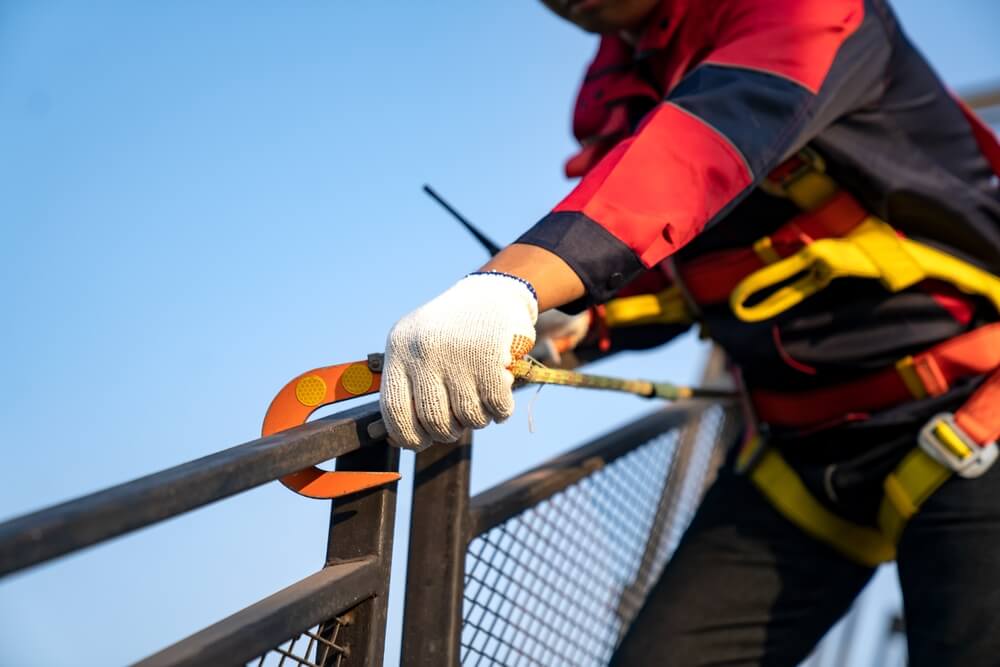
Construction work in Houston relies heavily on scaffolding to support workers at elevated heights. Unfortunately, these structures pose serious risks when safety protocols are not followed. In many incidents, families are left searching for answers after a preventable event alters their lives forever. Families in the construction industry may have questions like “What are the main causes of deaths and injuries on scaffolds?”
Discussions often highlight recurring hazards associated with poor setup, unsafe conditions, and non-compliance with regulations. At Kherkher Garcia, our firm has witnessed the impact of these accidents on workers and their loved ones, and at Kherkher Garcia LLP, we believe that clear information is the first step toward accountability.
A closer look at safety findings reveals that many scaffold deaths and serious injuries stem from everyday hazards on job sites, including falls from unsecured or slippery platforms, collapses linked to poor support or excessive weight, falling tools or materials, and dangerous proximity to power lines. In most cases, these incidents can be traced back to lapses in training, improper setup, a lack of protective gear, or failures to follow established safety rules.
Scaffold accidents remain one of the most significant dangers on active job sites, particularly in cities with ongoing commercial and industrial growth. According to information published by the Occupational Safety and Health Administration (OSHA), falls account for nearly half of all fatal scaffold accidents nationwide. Many of these falls occur when guardrails are missing, platforms become slick from rain or debris, or workers are not provided with proper fall protection systems.
Collapse remains a significant source of catastrophic harm when scaffolds fail because of:
These conditions can send workers falling several stories down in an instant and lead to fatal injuries. Serious harm also occurs when tools or materials fall from elevated platforms and strike workers below, as well as when scaffolding is placed too close to overhead power lines, creating a hidden but deadly electrical risk. Taken together, these patterns indicate that many scaffold incidents originate from known hazards that can often be prevented through proper planning, training, and adherence to safety requirements.
Scaffold-related injuries rarely happen without warning signs. In many cases, hazards are visible long before an accident occurs. Employers and site managers are expected to ensure that scaffolding is properly erected, inspected, and maintained throughout the project. When corners are cut to save time or money, workers pay the price.
Responsibility may extend beyond a single party. General contractors, subcontractors, property owners, and equipment providers may all play a role in maintaining safe working conditions. OSHA’s construction scaffolding requirements, outlined by OSHA standards, establish clear expectations for load limits, guardrails, access points, and distance from electrical hazards. Failure to follow these regulations can expose workers to unnecessary danger.
In many Houston cases, liability arises from inadequate safety training, failure to provide protective equipment, improper supervision, or the use of damaged materials. Identifying who had control over the site and who failed to act responsibly is critical when pursuing accountability after a serious incident.
The injuries caused by scaffold accidents are often life-altering. Falls from heights frequently result in:
Even workers who survive may face permanent mobility limitations or chronic pain that affects their ability to earn a living.
Beyond the physical harm, victims often experience emotional and financial strain. Extended hospital stays, rehabilitation, and lost income place immense pressure on families. Some injuries lead to paralysis or cognitive impairment, requiring lifelong care and support. These outcomes underscore why scaffold safety is not merely a regulatory issue, but a human one with lasting consequences.
When reviewing the main causes of deaths and injuries on scaffolds, the pattern is clear. Severe harm is rarely the result of unavoidable circumstances. Instead, it often reflects a breakdown in safety culture, oversight, or compliance that leaves workers exposed to known risks.
A scaffold accident can upend a worker’s life in a matter of seconds, leaving families overwhelmed and uncertain about what comes next. At Kherkher Garcia, our team is well-versed in the complexities of construction injury claims and the meticulous work required to pursue accountability following a serious incident.
Connecting with Kherkher Garcia LLP can bring clarity during challenging times. To discuss your situation and legal rights, call 713-333-1030. Let us help you move forward with confidence and direction.
Steve Kherkher is passionate about serving his clients. He has dedicated his life to championing the rights of those who have experienced catastrophic injury due to negligence. Steve Kherkher, along with Trial Lawyer Jesus Garcia, founded Kherkher Garcia, and under their leadership, the firm achieved unprecedented success within its first three years. With a career spanning over 35 years, Steve’s tireless pursuit of justice for his clients has earned him national recognition and numerous accolades as an exemplary trial attorney.
Steve Kherkher
FOUNDING PARTNER AND 35+ YEAR TRIAL LAWYER

This page has been written, edited, and reviewed by a team of legal writers following our comprehensive editorial guidelines. This page was approved by attorneys Steve Kherkher and Jesus Garcia Jr., who have more than 50 years of combined legal experience championing the rights of those who have experienced catastrophic injury due to negligence.
Connect with a Kherkher Garcia trial lawyer today to pursue maximum compensation for your injury.

 Call Us 713-333-1030



 Message Us
  Call Us