Call Us Today
Call Us Today
Steve Kherkher - May 31, 2023

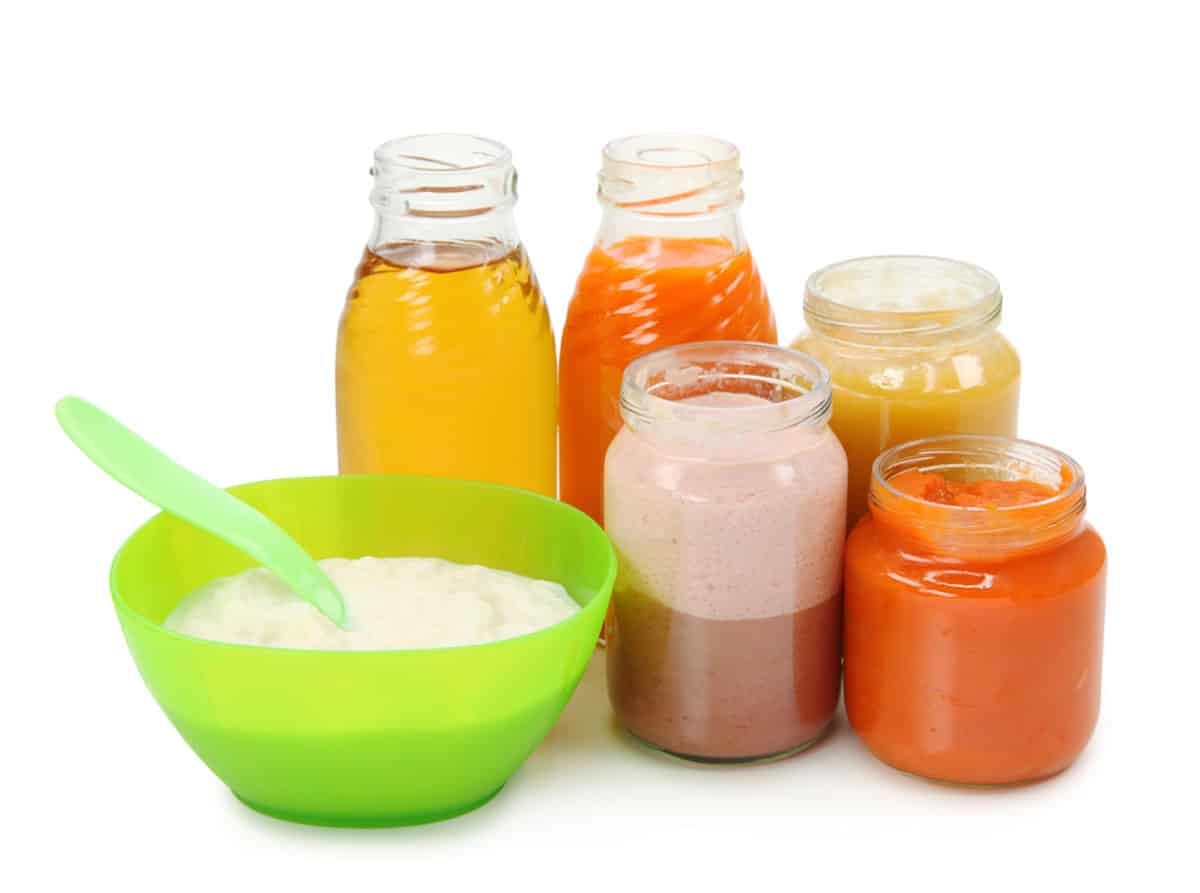
If your young child eats baby food you buy at the grocery store, there is a chance that they are being exposed to a small level of heavy metals. Heavy metals are found naturally in the environment and are a normal part of some types of foods.
In most cases, small levels of metals are no concern. However, in 2021, a report from the Subcommittee on Economic and Consumer Policy found that an alarming amount of baby foods sold in the United States contained dangerously high levels of heavy metals. What’s worse, the report suggests that manufacturers knew the toxic baby food was harmful and knowingly sold it to vulnerable consumers.
Heavy metal toxicity is dangerous and can lead to long-term, or even lifelong medical conditions. At Kherkher Garcia, LLP, our attorneys are here to help families harmed by toxic baby food. We will stand up for you, demand answers, and fight to see justice served.
There are four main types of toxic metals that have been found in baby food: arsenic, lead, cadmium, and mercury. These metals can be harmful to babies, even at low levels. Below, we provide an overview of each of these metals and their potential risks:
Arsenic is a naturally occurring element that can be found in soil, water, and air. It can also be released into the environment from industrial activities, such as mining and smelting. Arsenic can cause a variety of health problems, including cancer, heart disease, and neurological damage.
Lead is a heavy metal that is often used in manufacturing. It can enter the environment through air pollution, water pollution, and soil contamination. Lead can cause a variety of health problems, including learning disabilities, attention deficit hyperactivity disorder (ADHD), and behavioral problems.
Cadmium is a heavy metal that is often used in batteries and other industrial products. It can enter the environment through air pollution, water pollution, and soil contamination. Cadmium can cause a variety of health problems, including kidney damage, bone disease, and cancer.
Mercury is a heavy metal that is often used in thermometers, batteries, and other products. It can enter the environment through air pollution, water pollution, and soil contamination. Mercury can cause a variety of health problems, including neurological damage, developmental delays, and birth defects.
The FDA has set limits on the amount of toxic metals that can be in baby food. However, some baby foods have been found to contain levels of toxic metals that exceed these limits.
The EWG study tested 168 baby foods, including cereals, purees, and snacks. The study found that the highest levels of heavy metals were found in rice-based foods, such as rice cereal and rice puffs. Other foods that were found to be high in heavy metals included sweet potatoes, carrots, applesauce, and teething biscuits.
The EWG study found that the levels of heavy metals in baby foods varied widely. Some foods contained only trace amounts of heavy metals, while others contained levels that were hundreds of times higher than the FDA’s recommended limits. Some of the brands associated with higher levels of heavy metals include:
The FDA has set limits on the amount of heavy metals that can be in baby food. However, the EWG study found that many baby foods contained levels of heavy metals that exceeded these limits. The EWG is calling on the FDA to take action to reduce the levels of heavy metals in baby food. The EWG is also urging parents to be aware of the risks of heavy metals in baby food and to choose foods that are low in these metals.
No baby food is completely free of heavy metals, since metals exist naturally in the environment. There are some ways to reduce the risk of exposure to high levels of heavy metals. Here are some of the least contaminated baby foods:
However, by choosing organic, single-ingredient, and fresh foods, you can reduce your child’s exposure to these harmful substances.
Toxic heavy metals can enter baby food through a variety of ways, including:
If you are concerned about the levels of toxic metals in baby food, you can talk to your doctor. They can help you to choose baby foods that are low in toxic metals. Additionally, here are some tips for avoiding toxic metals in baby food:
Toxic heavy metals refer to a group of metallic elements that, when present in high concentrations or exposure over a prolonged period, can have harmful effects on living organisms, including humans. These metals have a higher atomic weight and density compared to other elements and include substances such as lead, mercury, cadmium, arsenic, chromium, and nickel, among others.
The specific toxic effects depend on the particular metal, the dose or concentration of exposure, the route of exposure (inhalation, ingestion, or skin contact), and the duration of exposure.
It is important to note that the toxic effects of heavy metals can vary depending on individual susceptibility, age, overall health, and exposure conditions. Minimizing exposure to heavy metals and adhering to safety guidelines and regulations can help reduce the risks associated with these toxic substances.
There is no definitive answer to the question of whether toxic metals in baby foods cause autism. Some studies have shown a link between exposure to toxic metals and autism, while others have not. More research is needed to determine whether there is a causal relationship between the two.
However, it is important to note that exposure to toxic metals can have a number of negative health effects, including neurological damage. It is therefore important to avoid exposing babies to toxic metals, including through their diet.
It is important to note that autism is a complex condition with many causes. Exposure to toxic metals is likely just one of many factors that can contribute to the development of autism. If you are concerned about your child’s development, talk to your doctor.
The symptoms of toxic heavy metal exposure can vary depending on the type of metal, the amount of exposure, and the person’s individual health. However, some common symptoms include:
If your child experiences any of these symptoms, it is important to see a doctor right away. Heavy metal poisoning can be serious, and early diagnosis and treatment are essential.
As parents, we often hear terms like “hazardous”, “toxic.” These two terms are related but have distinct meanings when referring to chemicals or elements like heavy metals. Take a look:
It is possible for a material to be both hazardous and toxic, as there can be substances that pose both physical and health hazards to individuals and the environment. Heavy metals are considered toxic because they can cause harm to living organisms, but they can also cause other damage depending on where and how they are applied.
There are a few different treatments that can be used to remove heavy metals from the body. The most common treatment is chelation therapy. Chelation therapy is a medical procedure that involves the administration of chelating agents to remove heavy metals from the body by binding to molecules and allowing them to be dissolved and excreted in the urine.
Other treatments for heavy metal poisoning include:
The best treatment for heavy metal poisoning will depend on the type of metal, the amount of exposure, and the person’s individual health.
If your child has developed developmental issues or other health problems due to heavy metal toxicity or poisoning, of course you want to hold those responsible accountable. The best way to determine your legal rights and options is to consult with a skilled toxic baby food attorney.
Working with an attorney provides you with a clear understanding of your rights and options. A law firm like Kherkher Garcia will focus on your child’s individual health and needs, and will find the most suitable options to pursue justice and compensation. Compensation in toxic baby food claims may include medical expenses, lost income if you are unable to work, and pain and suffering.
At Kherkher Garcia, our attorneys are passionate about helping injured victims obtain justice. We believe that consumers need an advocate when fighting back against manufacturers who would allow dangerous products to enter consumer homes. Our attorneys are skilled in personal injury and product liability law, and we know how to build a strong case that will get results.
To find out how we can help you, call us at 713-333-1030 or complete the form on our website.

This page has been written, edited, and reviewed by a team of legal writers following our comprehensive editorial guidelines. This page was approved by attorneys Steve Kherkher and Jesus Garcia Jr., who have more than 50 years of combined legal experience championing the rights of those who have experienced catastrophic injury due to negligence.
Connect with a Kherkher Garcia trial lawyer today to pursue maximum compensation for your injury.