
Call Us Today
Call Us Today
Steve Kherkher - April 20, 2023

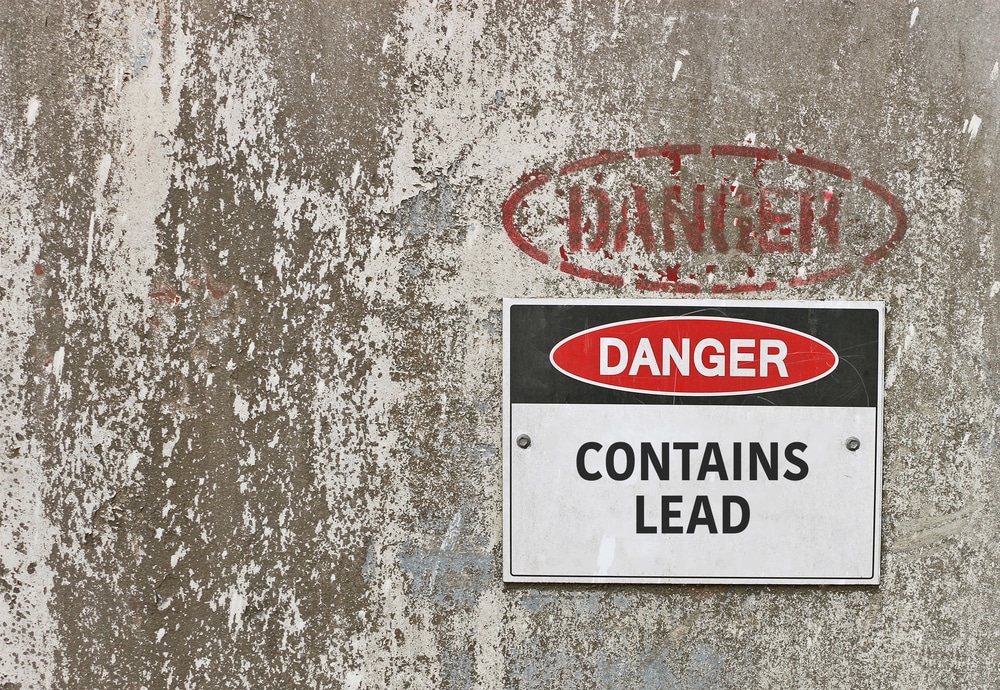
In the maritime industry, workers are often tasked with working around older ships, cargo bins, machinery, and equipment. Shipyard workers, in particular are at a high risk for lead exposure and lead poisoning due to the nature of their work. Despite federal safety guidelines limiting or eliminating lead, it remains a common ingredient in many paints and materials found in the maritime industry.
At Kherkher Garcia, LLP, our maritime injury lawyers know all too well how dangerous lead exposure can be. If you believe that lead exposure is the cause of your illness or injuries, we want to help. Lead poisoning requires careful medical care and can cause permanent damage. You deserve to know what your rights and options are after a lead poisoning diagnosis.
Below, our lawyers provide insight into how lead exposure occurs in the maritime industry, facts about lead, symptoms, treatment options, and what you can do to protect your rights.
In October, 2020, a report was published detailing how workers at the Davie Shipyard in Canada were exposed to lead paint while repairing three newly-acquired ships. The three ships were acquired in 2018 by the Canadian Coast Guard as part of their icebreaker fleet. In 2019, one of the ships tested positive for lead paint, but was put into service without much thought. The other two ships, however, remained in dry dock until 2020 when safety officials conducted an assessment.
In 2020, the assessment revealed that the two remaining ships also tested positive for lead paint. Workers had been repairing and maintaining the vessels for two years at this point. They reportedly were not informed of the positive test results in 2019, and were not provided with adequate personal protective equipment (PPE) to prevent lead exposure.
Work on the ships was halted, and in February 2020, new safety measures were put into place to prevent lead exposure. Unfortunately, some workers had already been exposed for nearly two years.
Lead is a naturally occurring, heavy, soft, and dense chemical element with the symbol Pb and atomic number 82. Lead is a member of the carbon group in the periodic table. It is a relatively soft metal with a low melting point and a high boiling point. It is a poor conductor of heat and electricity. Lead is a toxic metal that can cause health problems if it is ingested or inhaled. Lead poisoning can cause a variety of health problems.
As a material, lead has been used for thousands of years for a variety of purposes, including making pipes, paint, and batteries. Lead is no longer used in many of these applications due to its toxicity. However, it is still used in some products, such as ammunition and solder.
Lead is a dangerous metal that can cause serious health problems. It is important to take steps to avoid lead exposure. Safety standards consider any amount of lead over 25 micrograms-per-deciliter to be elevated. In 2007, a study found that maritime workers were often exposed to environments exceeding 40 micrograms-per-deciliter.
Yes, you can get lead poisoning from sanding old paint. Lead paint was used in homes and other buildings in the United States until 1978. It is a toxic substance that can cause serious health problems. When lead paint is sanded, it creates lead dust that can be inhaled or ingested. This can lead to lead poisoning, which can cause a variety of health problems, including:
If you are planning to sand old paint, it is important to take steps to protect yourself from lead poisoning. These steps include:
By taking these steps, you can help to protect yourself and your family from the dangers of lead poisoning.
Lead poisoning can have serious health consequences for adults. Here are some signs and symptoms of lead poisoning in adults:
If you suspect that you have been exposed to lead or are experiencing any of these symptoms, it is important to seek medical attention immediately. A doctor can perform a blood test to determine your lead levels and provide treatment if necessary.
It is possible to recover from lead poisoning, but the sooner the exposure is identified and treated, the better the outcome. The goal of treatment is to reduce the amount of lead in the body and prevent further exposure. Treatment may include:
Removing the source of lead is one of the first steps toward recovering. Lead remediation involves the removal or reduction of lead from a contaminated site or material to eliminate the risk of lead exposure. The specific method used for lead remediation will depend on the type and extent of contamination, as well as the location and accessibility of the contaminated material.
Here are some common methods for lead remediation:
It is important to note that lead remediation can be a complex and dangerous process and should only be carried out by qualified professionals with experience in lead remediation.
Chelation therapy is a medical procedure that uses drugs to bind to heavy metals and remove them from the body. This therapy is usually only recommended for people with high levels of heavy metals in their blood.
The chelating drugs used in chelation therapy work by forming a complex with the heavy metal. This complex is then excreted from the body in the urine. a few of the more commonly used chelating drugs are:
Chelation therapy is a viable means of reducing lead levels in the body. There are side effects, however, so it is important to speak with a healthcare provider about your situation and if chelation therapy is the right treatment choice.
Supportive care for lead poisoning is a type of treatment that is used to help the body recover from lead poisoning. Such care may include:
Activated charcoal has been shown to be effective in binding to certain toxins in the gastrointestinal tract and preventing their absorption into the bloodstream. However, there is limited evidence to suggest that activated charcoal can effectively remove lead from the body.
Lead is a heavy metal that can accumulate in bones and other tissues, and once it has entered the bloodstream, it can be difficult to remove. While activated charcoal may be able to bind to some lead in the gastrointestinal tract, it is unlikely to remove significant amounts of lead that have already entered the bloodstream or other tissues.
Lead poisoning can certainly cause permanent damage, especially to children. The effects of lead poisoning can vary depending on the severity of the exposure and the age of the person exposed. In adults, lead poisoning can cause permanent damage, such as:
There is no safe level of lead exposure. If you think you may have been exposed to lead, it is important to see a doctor right away. Early diagnosis and treatment can help to prevent serious health problems.
The maritime industry is one of the most hazardous in the U.S. Exposure to toxins like lead are just one of many potential risks that workers face on a daily basis.
If you work in the maritime industry and have questions or concerns, or believe that you have been exposed to toxic levels of lead, contact Kherkher Garcia today. Our maritime injury lawyers can help you:
To start your free consultation, call us at 713-333-1030.

This page has been written, edited, and reviewed by a team of legal writers following our comprehensive editorial guidelines. This page was approved by attorneys Steve Kherkher and Jesus Garcia Jr., who have more than 50 years of combined legal experience championing the rights of those who have experienced catastrophic injury due to negligence.
Connect with a Kherkher Garcia trial lawyer today to pursue maximum compensation for your injury.





 Message Us
  Call Us