Call Us Today
Call Us Today
Steve Kherkher - July 31, 2026


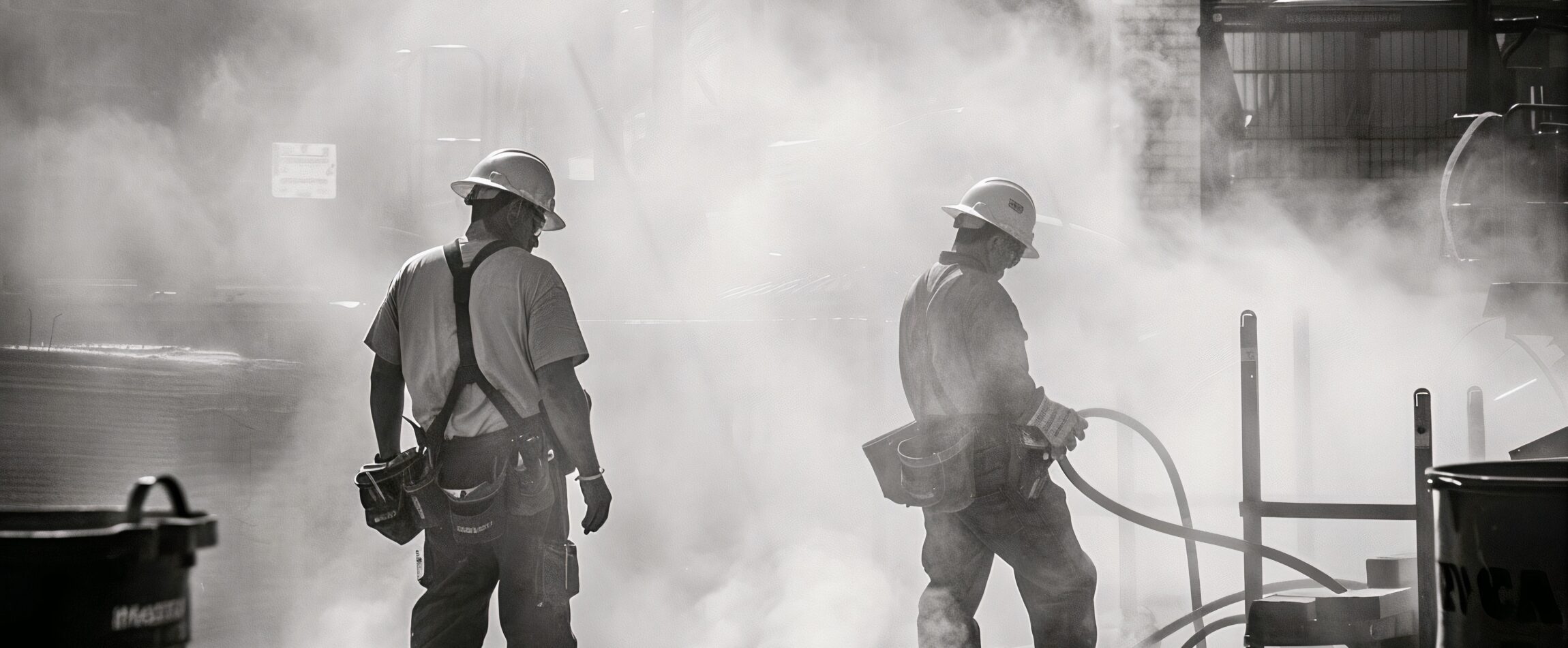
A devastating industrial explosion at a cannabis processing facility in Logan Township, New Jersey, left several workers critically injured and prompted a massive emergency response involving firefighters, hazmat teams, and air quality monitoring.
While the investigation remains ongoing, the incident serves as another sobering reminder of the dangers associated with industrial explosions, particularly at facilities that store or use flammable gases and fuels.
Kherkher Garcia represents workers and families affected by industrial explosions and other catastrophic workplace incidents. If you or a loved one has been seriously injured, our experienced Houston workplace injury attorneys can help you understand your legal rights and explore your options.
The explosion occurred at the Savita Naturals facility in the Pureland Industrial Complex. Reports say a large amount of propane was stored as part of the company’s processing operations, but did not say if that was the cause of the explosion. The blast caused extensive damage to the building, triggered a partial structural collapse, and injured multiple workers.
Emergency dispatchers initially received reports of a heavy fire and a partial building collapse, prompting a large-scale response from firefighters, law enforcement, EMS personnel, and hazardous materials teams. Authorities confirmed that everyone believed to be inside the facility was accounted for following the explosion.
At least four people were transported to area hospitals, including trauma and burn centers. Two patients were later transferred to a specialized burn unit in Philadelphia for advanced treatment. One person reportedly experienced a medical emergency during the emergency response, as well.
Emergency officials established a temporary shelter-in-place order for nearby businesses and residents while crews monitored the scene and managed ongoing hazards. Authorities later lifted the order after determining there were no continuing threats to the surrounding community.
Officials have emphasized that the investigation into the cause of the explosion remains active.
Officials stated that the facility stores a large amount of propane for use in its processing operations. While investigators have not identified whether propane contributed to the explosion, its presence added complexity to the emergency response because pressurized fuel systems can present ongoing fire and explosion hazards after an initial blast.
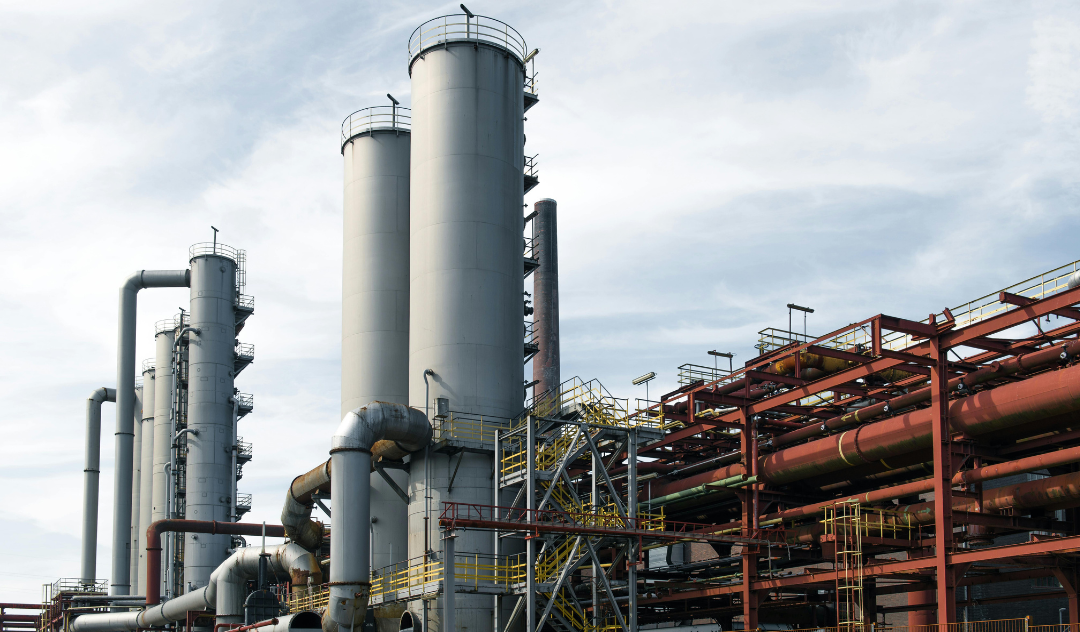
Propane is commonly used in industrial and manufacturing facilities because it provides an efficient source of energy for heating and processing. Industries ranging from food manufacturing to agriculture, chemical production, and cannabis processing rely on propane-powered equipment.
When properly designed, maintained, and operated, propane systems are generally safe. However, because propane is highly flammable and stored under pressure, emergency responders must take extraordinary precautions when propane tanks or fuel systems are in proximity to fires or explosions.
Even after the initial explosion and fire are extinguished, damaged tanks, fuel lines, fuel leaks or associated equipment may continue to present hazards until they can be safely evaluated and secured.
Industrial explosions produce far more than fire damage. Victims may suffer life-changing injuries from the blast itself, collapsing structures, flying debris, intense heat, or secondary fires. Common injuries include:
The severity of the injuries reported in New Jersey, including patients in critical condition with burn injuries, highlights the devastating physical and emotional consequences industrial explosions can have on workers and their families.
Many survivors require surgeries, skin grafts, months of rehabilitation, and long-term medical care before they are able to return to work, if they are able to return at all.
Determining why an industrial explosion occurred is not simple. Investigations often involve multiple agencies, engineers, fire investigators, and industry experts working together to evaluate evidence and determine what caused the incident. Depending on the circumstances, investigators may examine:
The findings of these investigations may become important evidence if injured workers or others pursue legal claims.
Workers injured in industrial explosions often face months, or even years, of recovery. During that time, they may have questions about how they will pay medical bills, replace lost income, and support their families. Depending on the circumstances and applicable state law, injured workers may be entitled to workers’ compensation benefits.
In many situations, however, workers may also have claims against third parties whose negligence contributed to the incident. Potential third-party claims may arise if an injury involved defective equipment, negligent contractors, equipment manufacturers, maintenance providers, or other entities that were not the worker’s direct employer.
Because every industrial accident is unique, determining what legal options may be available requires a careful review of the facts uncovered during the investigation.
Industrial explosions do not always impact only the workers inside. Powerful blasts can damage neighboring buildings, interrupt business operations, and force evacuations or shelter-in-place orders. Nearby employees, business owners, and residents may experience property damage, business interruptions, or other losses related to the incident.
Large industrial explosions often have ripple effects that extend well beyond the facility where the initial event occurred.
Every industrial explosion deserves a thorough and independent investigation. Understanding what happened not only helps injured workers and their families find answers, but it can also identify safety issues that may help prevent similar tragedies in the future.
Whether an explosion involves:
identifying the underlying cause is an important step toward improving workplace safety and protecting others.
If an employer is a non-subscriber, or if a third party contributed to the explosion, injured workers may be able to file a lawsuit.
Propane is stored under pressure and is highly flammable. Even after an initial explosion, damaged propane tanks or fuel systems can create ongoing hazards.
Workers may suffer severe burns, traumatic brain injuries, fractures, crush injuries, inhalation injuries, hearing loss, eye injuries, and psychological trauma.
Investigations often involve local fire departments, law enforcement agencies, OSHA (when applicable), fire investigators, engineers, and other technical experts.
Industrial explosions can change lives in an instant. Victims often face catastrophic injuries, lengthy recoveries, mounting medical expenses, and uncertainty about what comes next.
At Kherkher Garcia, we represent workers, families, and community members affected by industrial explosions, and other catastrophic workplace events. Our attorneys understand the complex investigations these cases require and are committed to helping victims pursue answers, accountability, and the compensation they deserve.
If you or someone you love has been injured in an industrial explosion, contact Kherkher Garcia today for a free consultation. We will listen to your story, explain your options, and help you understand the next steps as you move forward. Start now by calling 713-333-1030. You can also submit our online contact form to learn more.

This page has been written, edited, and reviewed by a team of legal writers following our comprehensive editorial guidelines. This page was approved by attorneys Steve Kherkher and Jesus Garcia Jr., who have more than 50 years of combined legal experience championing the rights of those who have experienced catastrophic injury due to negligence.
Connect with a Kherkher Garcia trial lawyer today to pursue maximum compensation for your injury.