
Call Us Today
Call Us Today
Steve Kherkher - June 6, 2023

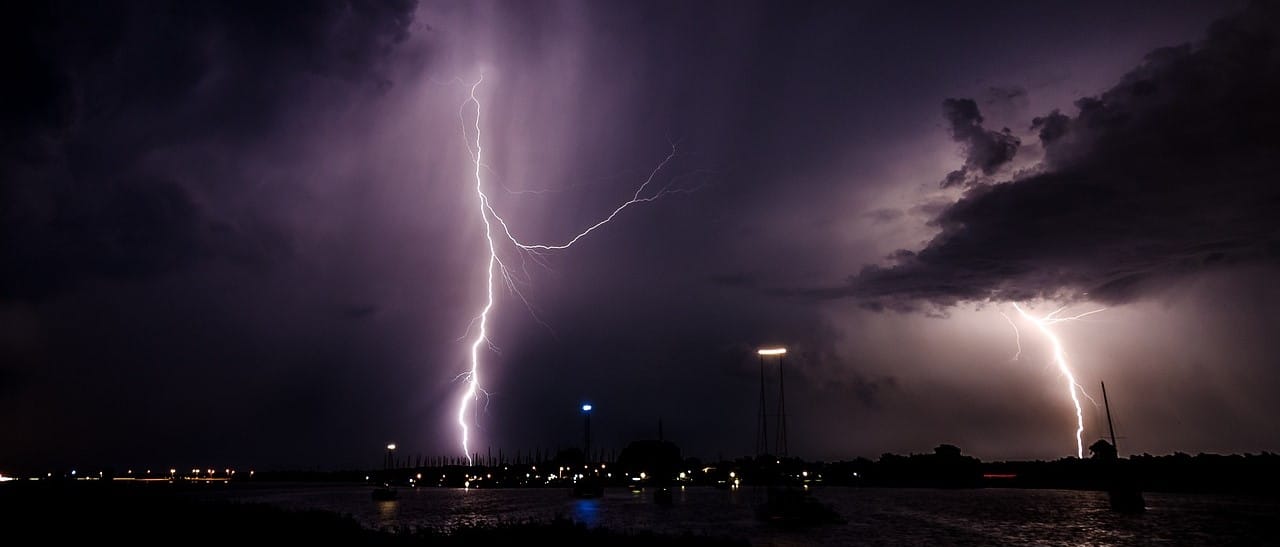
A recent fire at an oil refinery at Calcasieu Refining Company in Lake Charles, Louisiana is causing alarm for those who work at refineries or live nearby. While no one was injured in the fire, incidents like this one serve to remind all of us of the dangers of lightning strike injuries.
At Kherkher Garcia, our oil and gas field injury attorneys routinely work with oil and gas and maritime workers along the Gulf Coast where lightning strikes are common during storm season. Oil refineries are vulnerable to lightning strikes for several reasons, which we will discuss below. We will also provide information for those who work or live near an oil refinery to help better understand these risks, how to prevent injuries, and how to get help when a lightning injury does occur.
The most recent lightning strike incident at an oil refinery is the one in Lake Charles. Authorities believe that lightning caused a fire in one of the naphtha tanks. No one was injured in the fire, but it did cause quite a hassle for individuals who work at the refinery, as well as those living nearby.
Authorities evacuated residents within 1.5 miles of the refinery, and issued as shelter-in-place order for those up to five miles. These orders were to protect nearby residents if the fire could not be contained, or if the contents of the tanks were to leak. The Calcasieu Refining Company refines products including propane, naphtha, kerosene, diesel fuel, and jet fuel.
According to the U.S. Bureau of Labor Statistics, lightning strikes an oil refinery about once every two years. However, the frequency of lightning strikes can vary depending on the location of the refinery. For example, refineries in areas with high lightning activity, such as the Gulf Coast, are more likely to be struck by lightning than refineries in areas with low lightning activity, such as the Midwest.
Lightning strikes can cause a number of problems at oil refineries, including fires, explosions, and releases of hazardous materials. In some cases, lightning strikes have led to fatalities. In order to protect workers and the environment, oil refineries have a number of safety measures, such as lightning rods and fire suppression systems.
Here are some of the safety measures that oil refineries can implement in order to protect against lightning strikes:
Despite safety measures, lightning strikes can still cause problems at oil refineries. It is important for workers and the public to be aware of the risks of lightning strikes and to take steps to protect themselves.
Oil refineries, due to their operations involving the processing and storage of flammable materials, can be susceptible to lightning risks. Lightning strikes can pose significant hazards to refineries, including the potential for fires, explosions, and equipment damage. Subsequently, there is a risk to personnel safety. Here are some key factors to consider regarding lightning risks at oil refineries:
Oil refineries handle large quantities of flammable substances such as crude oil, petroleum products, and various chemicals. These materials are highly combustible, and a lightning strike can ignite them, leading to fires or explosions.
Refineries often have storage tanks that hold significant volumes of flammable liquids. Lightning can directly strike these tanks or nearby structures, causing sparks or electrical discharge. This may result in ignition or damage to the tanks and subsequent release of hazardous materials.
Oil refining involves complex processes with various types of equipment, including distillation columns, heat exchangers, reactors, and pipelines. Lightning strikes can induce power surges, electrical discharges, or electromagnetic interference that may damage the equipment. This can cause production disruptions or potential safety hazards.
Lightning can create substantial electrostatic charges during its discharge. These charges can accumulate on equipment, storage tanks, or other conducting objects within the refinery. If not adequately grounded, these charges can cause static discharges. Static discharges can ignite flammable vapors or cause damage to sensitive electronic systems.
Lightning strikes can result in secondary effects, such as power surges or electrical disturbances in the refinery’s electrical systems. These disturbances can affect control systems, communication networks, and other critical infrastructure, leading to operational disruptions, safety risks, or equipment failures.
Refinery workers may be vulnerable to lightning risks while working in outdoor areas or near tall structures. Lightning poses a direct threat to personnel safety. Proper safety protocols, including lightning detection and warning systems, are essential to protect workers from potential harm.
Lightning strikes can cause a range of injuries, varying in severity depending on factors such as the intensity of the strike, the duration of exposure, and the individual’s proximity to the lightning. The most common injuries associated with lightning strikes include:
When lightning strikes a person, it can cause electrical burns and damage to the nervous system. These injuries can lead to tissue damage, nerve dysfunction, and internal injuries. Electrical injuries can vary from minor burns to severe organ damage, cardiac arrest, or even death.
Lightning generates intense heat, and individuals struck by lightning may experience thermal burns. These burns can occur at the points of contact with the lightning, such as where it enters and exits the body. Additionally, thermal burns may occur in areas where clothing or jewelry conduct the electricity. Lightning strikes also can cause fires, which can also cause thermal burns to those in the area.
Lightning strikes can affect the central nervous system, leading to various neurological symptoms. These may include loss of consciousness, confusion, memory problems, dizziness, muscle weakness, seizures, and tingling or numbness in the extremities. These neurological effects can be temporary or long-lasting, depending on the severity of the strike.
Lightning can disrupt the normal electrical activity of the heart, potentially leading to cardiac rhythm disturbances, such as ventricular fibrillation or arrhythmias. Cardiac injuries are one of the most significant risks associated with lightning strikes. They can be fatal without prompt treatment with cardiopulmonary resuscitation (CPR) and defibrillation.
The loud thunderclap accompanying lightning strikes can cause acoustic trauma. This can cause temporary or permanent hearing loss. This can occur even if the individual is not directly struck by lightning but is in close proximity to the strike.
The force generated by a lightning strike can cause individuals to be thrown or knocked down. The force can result in fractures, dislocations, sprains, or other musculoskeletal injuries. Falls or impacts can also lead to head injuries or spinal cord injuries.
It is worth noting that while some lightning strike injuries may be immediately apparent, others can have delayed effects and may not manifest until hours, days, or even weeks after the incident. Therefore, individuals who have been struck by lightning should seek medical attention promptly, even if they initially appear to have no serious injuries.
To mitigate lightning risks at oil refineries, several measures are typically implemented:
Overall, by implementing comprehensive lightning protection measures and adhering to safety protocols, oil refineries can significantly reduce the risks associated with lightning strikes, safeguard personnel, protect critical infrastructure, and ensure continued safe operations.
The specific rights and legal protections you have may vary depending on your jurisdiction and the applicable laws in your country or state. It is always recommended to consult with an employment attorney or legal expert who can provide advice tailored to your situation. That being said, here are some general points to consider regarding workplace lightning injuries:
If you are injured while working in an oil refinery, contacting an attorney can help you in many ways. Above all, a skilled attorney can help you understand and protect your legal rights. Here are several ways the injury attorneys at Kherkher Garcia can help you:
If you are battling a lightning-related injury at or near an oil refinery, the attorneys at Kherkher Garcia can help you. We have been helping injury victims for more than three decades get compensation for injuries caused by negligence, inadequate training, and improper safety procedures.
Find out how we can help you by contacting us on our website, or by calling us at 713-333-1030.

This page has been written, edited, and reviewed by a team of legal writers following our comprehensive editorial guidelines. This page was approved by attorneys Steve Kherkher and Jesus Garcia Jr., who have more than 50 years of combined legal experience championing the rights of those who have experienced catastrophic injury due to negligence.
Connect with a Kherkher Garcia trial lawyer today to pursue maximum compensation for your injury.


