
Call Us Today
Call Us Today
Steve Kherkher - May 11, 2023

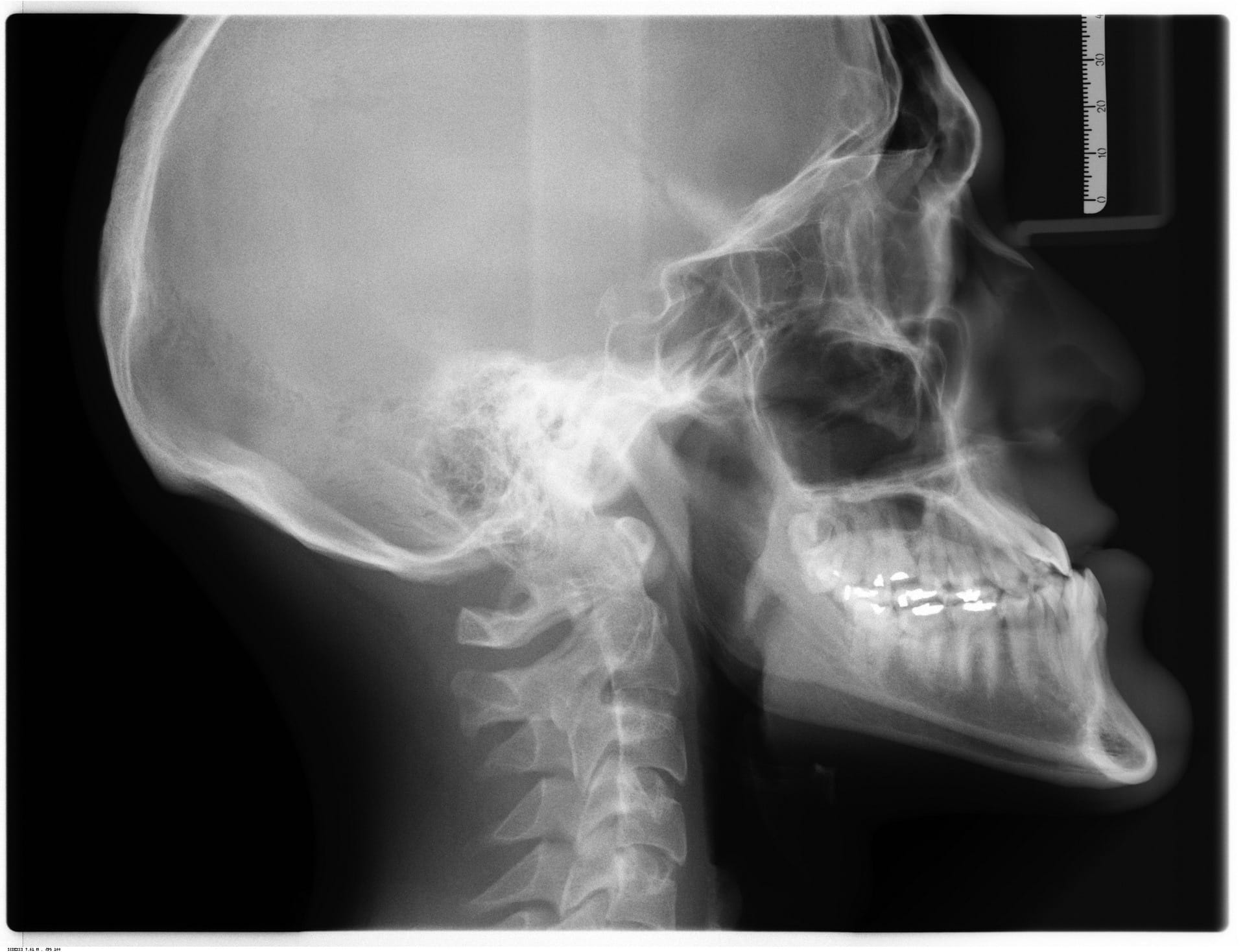
There are many hazards to working in the maritime industry. Maritime workers are at risk for many types of injuries, including neck injuries. Neck injuries can range from a minor discomfort to a debilitating, or even disabling, injury. If a neck injury occurs due to negligence or the wrongdoing of someone else, maritime workers may qualify for compensation under maritime law.
If you have suffered a neck injury while working in the maritime industry, Kherkher Garcia, LLP can help you find out what compensation you may qualify for. Our offshore maritime injury attorneys have more than 30 years of experience helping maritime workers get the compensation they deserve.
Below, learn more about neck injury risks and how a maritime injury attorney can help you recover after an injury.
Workers in the maritime industry are exposed to a variety of risks, including the risk of sustaining neck injuries. Here are some of the most common neck injury risks for workers in the maritime industry:
Workers in the maritime industry are often required to walk on slippery surfaces or unstable decks, which can lead to slips, trips, and falls. These types of accidents can cause whiplash, strained neck muscles, and even spinal cord injuries.
Some workers in the maritime industry may be required to perform repetitive motions that put strain on their necks. For example, crane operators or deckhands may be required to constantly look up or turn their heads in a certain direction, which can cause neck pain and discomfort.
Workers in the maritime industry may be required to lift heavy objects, which can put strain on their necks. This can lead to neck sprains or strains, or even more serious injuries like herniated discs.
Workers who operate machinery or equipment that vibrates, such as power tools or engines, can be at risk for developing neck injuries. The vibration can cause strain on the neck muscles and spine, leading to pain and discomfort.
Workers who sit for long periods of time or who use improper ergonomics may be at risk for developing neck injuries. For example, a worker who spends hours hunched over a computer or who uses a poorly designed chair may experience neck pain and discomfort.
To reduce the risk of neck injuries in the maritime industry, it’s important for employers to provide adequate training and safety equipment, such as anti-vibration gloves or ergonomic chairs. Workers should also be encouraged to take breaks and stretch their necks throughout the day, and to report any pain or discomfort to their supervisor immediately.
There are many different types of neck injuries, but some of the most common include:
Whiplash is a soft tissue injury to the neck that occurs when the head is suddenly and violently jerked back and forth. It is most commonly caused by car accidents, but can also occur from falls or other types of trauma. Symptoms of whiplash can include neck pain, stiffness, headaches, dizziness, and difficulty sleeping.
Neck sprain is an injury to the ligaments that support the neck. Ligaments are tough bands of tissue that connect bones to other bones. Neck sprains can be caused by a sudden twisting or jerking motion of the neck, such as in a car accident or sports injury. Symptoms of a neck sprain can include pain, stiffness, swelling, and bruising.
Neck strain is an injury to the muscles or tendons in the neck. Muscles are the soft tissues that contract to move the bones, while tendons are the tough bands of tissue that attach muscles to bones. Neck strains can be caused by overuse, poor posture, or a sudden movement. Symptoms of a neck strain can include pain, stiffness, and weakness.
Herniated disc is a condition in which the soft, jelly-like center of a spinal disc pushes out through the tough outer layer of the disc. This can happen when the disc is injured, such as from a fall or car accident. Herniated discs can cause pain, numbness, and tingling in the neck and down the arm.
A pinched nerve occurs when a nerve in the neck is compressed or irritated by surrounding tissue, such as a herniated disc or tight muscles. This can cause neck pain, numbness, and weakness in the arms and hands.
Cervical stenosis is a narrowing of the spinal canal in the neck. This can put pressure on the spinal cord and nerves, causing pain, numbness, and tingling in the neck and down the arm. Cervical stenosis can be caused by age-related wear and tear, arthritis, or a previous injury.
If you experience any of the symptoms of a neck injury, it is important to see a doctor right away. Early diagnosis and treatment can help to prevent further damage and improve your recovery.
The treatment for a neck injury will vary depending on the severity of the injury and the underlying cause. In general, treatment may include:
The recovery time for a neck injury will vary depending on the severity of the injury and the person’s overall health. Most people will make a full recovery within a few weeks or months. However, some people may have chronic pain or other problems that persist for longer periods of time.
If you suffer a head injury at work, it’s important to take the following steps:
By taking these steps, you can help ensure that you receive the medical care and compensation you need to recover from a head injury sustained on the job.
Maritime workers who suffer neck injuries while on the job may be eligible to file claims for compensation under the Jones Act or the Longshore and Harbor Workers’ Compensation Act (LHWCA).
Under the Jones Act, maritime workers who are injured while working on a vessel may be able to sue their employer for damages. This includes compensation for medical expenses, lost wages, pain and suffering, and other damages resulting from the neck injury.
The LHWCA provides benefits to maritime workers who are injured while working on navigable waters, including harbors, docks, and terminals. These benefits may include compensation for medical expenses, lost wages, and rehabilitation costs.
In order to be eligible for compensation under either the Jones Act or the LHWCA, the worker must show that their neck injury was caused by the negligence of an employer or other party, or unseaworthiness of the vessel. This may require gathering evidence, such as eyewitness accounts, medical records, and accident reports.
If you have neck injuries due to your work in a maritime occupation, it is important to seek the advice of an experienced maritime attorney. A maritime injury attorney can help in several ways if you suffer a neck injury:
A maritime injury attorney can provide valuable legal advice and representation following a neck injury while working in the maritime industry. At Kherkher Garcia, our attorneys help workers navigate the complex legal system and protect their legal rights.
If you are injured while working in the maritime industry, it is important to get adequate medical care and legal guidance as soon as possible. At Kherkher Garcia, our maritime injury attorneys help ensure that maritime workers understand their rights, get the medical care they need, and get the compensation they deserve.
To find out more about your rights as a maritime worker, contact us for a free consultation. To get started, call us at 713-333-1030, or complete our online form.

This page has been written, edited, and reviewed by a team of legal writers following our comprehensive editorial guidelines. This page was approved by attorneys Steve Kherkher and Jesus Garcia Jr., who have more than 50 years of combined legal experience championing the rights of those who have experienced catastrophic injury due to negligence.
Connect with a Kherkher Garcia trial lawyer today to pursue maximum compensation for your injury.





 Message Us
  Call Us