Call Us Today
Call Us Today
Steve Kherkher - July 15, 2025


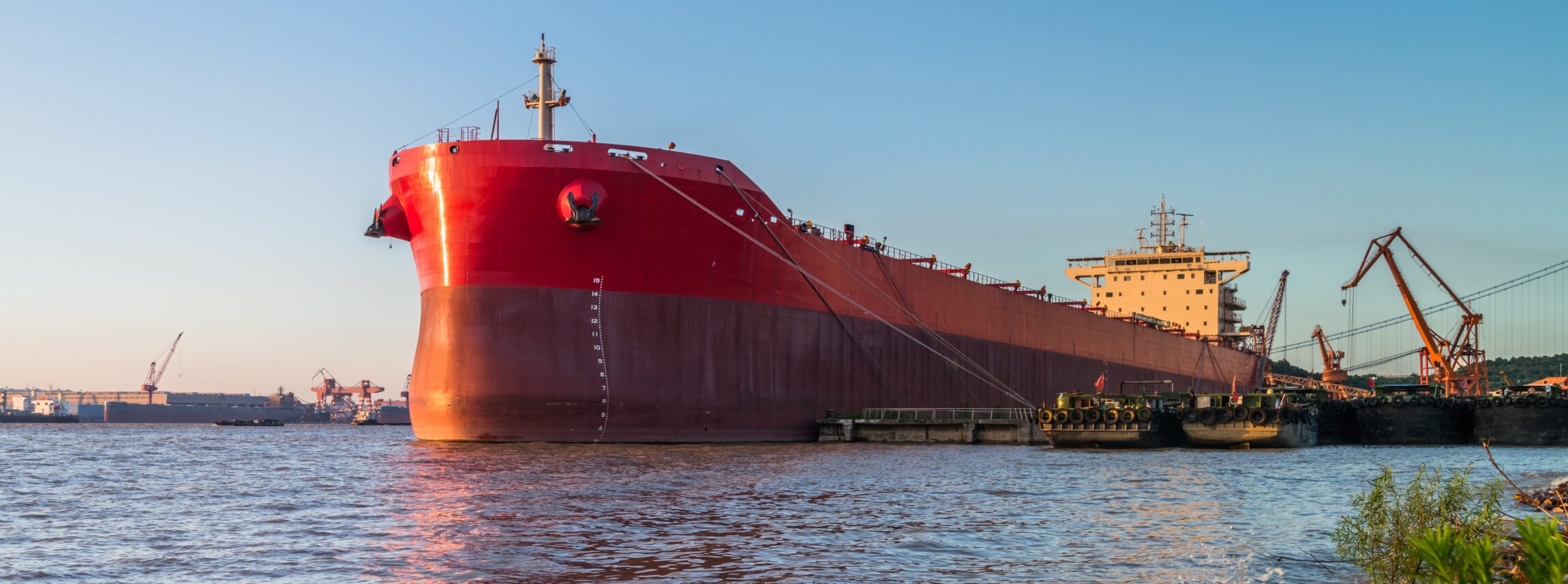
When news broke that a cargo ship carrying thousands of vehicles had caught fire in the remote waters 300 miles south of Adak, Alaska, it served as a stark reminder of the dangers maritime workers face every day. The vessel fire involved the Morning Midas, a 600-foot Liberian-flagged cargo vessel managed from the U.K. The ship caught fire while transporting more than 3,000 vehicles, including hundreds of electric and hybrid models.
While the 22 crew members aboard the Morning Midas were thankfully rescued without serious injuries, the situation remains fluid. The cause of the fire is still under investigation. This incident raises serious questions about fire safety aboard maritime vessels, the dangers of transporting combustible cargo, and what workers and their families should do if something goes wrong at sea.
At Kherkher Garcia, we help injured maritime workers and their families understand their rights and pursue compensation when employers or third parties fail to maintain safe conditions. Below, our Houston offshore injury attorneys explain what happened in the Morning Midas fire and what you should know if you or a loved one suffers an injury or loss while working offshore or at sea.
According to the U.S. Coast Guard, the fire aboard the Morning Midas broke out on July 9, 2025. The vessel was located approximately 300 miles south of Adak, Alaska, a remote and treacherous area of the North Pacific. The ship was carrying more than 3,000 vehicles, including 70 fully electric vehicles and over 600 hybrid vehicles, which may have contributed to the fire risk.
The Coast Guard received a distress alert around 3:15 p.m. and immediately dispatched resources, including a C-130J Super Hercules aircraft and an MH-60T Jayhawk helicopter. Several nearby vessels responded to the call for assistance, and the crew ultimately evacuated into a lifeboat and were rescued by the motor vessel Cosco Hellas.
While there were no immediate reports of injury, the fire posed environmental risks, particularly due to the ship’s large quantity of gas fuel and low-sulfur oil onboard. The incident underscores how quickly maritime emergencies can escalate, especially when volatile cargo is involved.
Vessel fires can occur for many reasons, including mechanical failures, electrical faults, improper cargo storage, or negligence. In the case of container ships like the Morning Midas, the presence of electric vehicles – many of which are powered by lithium-ion batteries – could be a significant factor. These batteries are known for their fire risk, especially if they are damaged, overheated, or improperly secured.
Other common causes of vessel fires include:
When crews are hundreds of miles from land, even a small fire can become catastrophic. It is the vessel operator’s responsibility to ensure the ship is safe, the crew is trained in emergency procedures, and that appropriate fire-fighting equipment is readily available and operational.
Maritime workers are protected by a unique set of laws that govern their rights in the event of injury or death on the job. Some of the key legal protections include:
The Jones Act provides injured seamen the right to sue their employers for negligence. If an employer fails to provide a reasonably safe working environment or if a co-worker’s actions cause injury, the injured worker may be entitled to compensation for:
To qualify under the Jones Act, the worker must be classified as a “seaman,” meaning they spend a substantial amount of time working on a vessel in navigable waters.
General maritime law offers additional protections, including maintenance and cure – a legal doctrine requiring employers to pay an injured seaman’s medical costs (cure) and basic living expenses (maintenance) until they recover.
This applies regardless of who was at fault for the injury. If an employer fails to pay maintenance and cure, the worker may also be entitled to punitive damages.
If a maritime worker dies as a result of negligence or unseaworthiness more than three nautical miles from shore, the Death on the High Seas Act allows the victim’s family to pursue damages from the responsible parties. Damages may include:
If you or a loved one has been injured aboard a vessel, it’s essential to act quickly. Maritime injury claims are subject to strict deadlines, and evidence can disappear rapidly in these types of environments.
You should contact a maritime injury attorney immediately if you:
The attorneys at Kherkher Garcia have extensive experience handling complex maritime cases, including vessel fires, chemical exposures, equipment failures, and wrongful death at sea. We understand the risks that seamen and offshore workers face and are committed to holding negligent parties accountable.
The Morning Midas incident is still under investigation, but several factors should be thoroughly examined, including:
A thorough investigation can help determine liability, prevent future incidents, and support any legal claims filed by the crew or their families.
The Morning Midas fire could have had a far more tragic outcome. Fortunately, no lives were lost, thanks in part to the swift response of the Coast Guard and good Samaritan vessels in the area. But not all maritime workers are so lucky.
Fire, explosions, equipment failure, and unsafe working conditions are constant risks in the maritime industry. Employers must do more than simply comply with regulations—they must proactively protect the people who keep global trade moving.
If you or someone you love has been injured in a vessel fire, don’t wait to explore your legal options. Maritime law is complex, and proving negligence requires a skilled, experienced legal team.
At Kherkher Garcia, we fight for injured maritime workers and grieving families across the United States. Our team will investigate the incident, work with experts, and pursue the compensation you deserve. You may be entitled to recovery for medical costs, lost wages, pain and suffering, and more.
We provide free, confidential consultations to every potential client. Call us now at 713-333-1030, or fill out our online form to speak with our maritime injury team.
Image by freepik

This page has been written, edited, and reviewed by a team of legal writers following our comprehensive editorial guidelines. This page was approved by attorneys Steve Kherkher and Jesus Garcia Jr., who have more than 50 years of combined legal experience championing the rights of those who have experienced catastrophic injury due to negligence.
Connect with a Kherkher Garcia trial lawyer today to pursue maximum compensation for your injury.