
Call Us Today
Call Us Today
Steve Kherkher - February 24, 2026

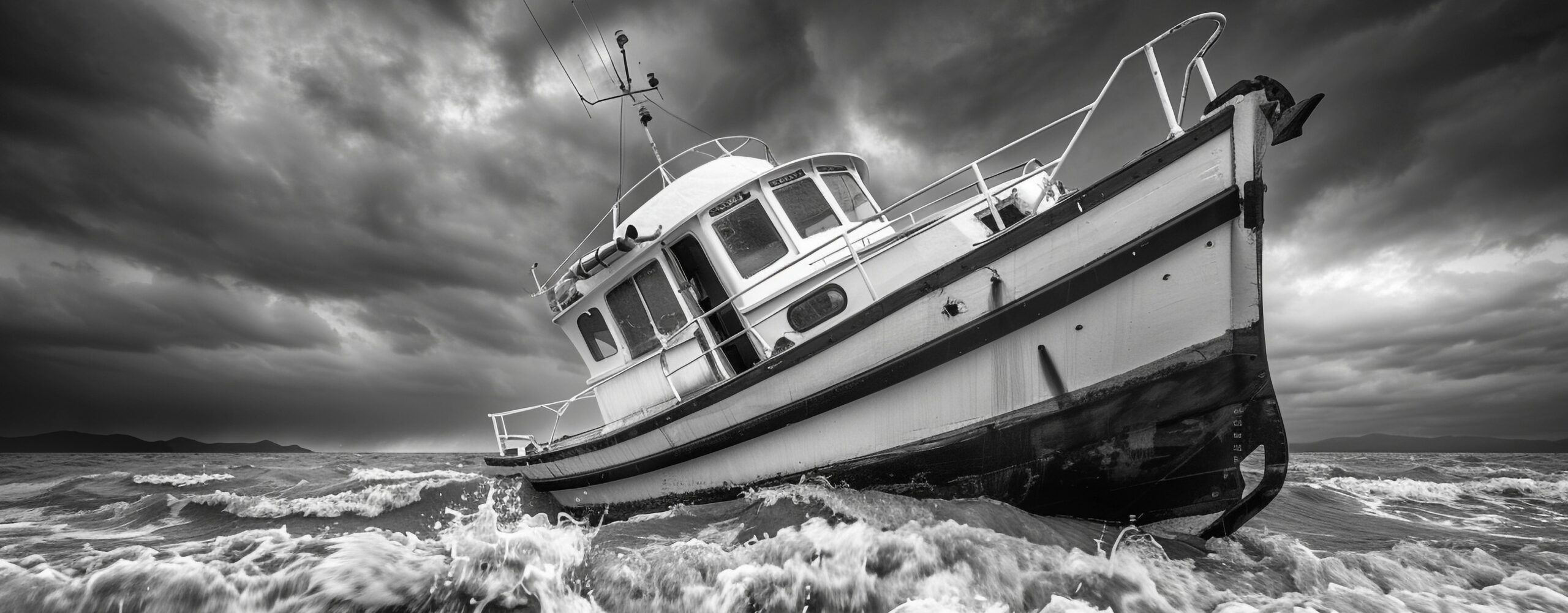
A fishing vessel fire hundreds of miles offshore is every maritime worker’s nightmare. Fire at sea can escalate rapidly, leaving crews with limited escape options, exposure to harsh weather conditions, and life-threatening uncertainty.
Recently, the U.S. Coast Guard coordinated the rescue of 27 mariners after their Venezuelan-flagged fishing vessel caught fire and later sank in the Pacific Ocean. The incident happened approximately 500 miles north-northwest of the Galapagos Islands. Thankfully, all crew members survived. But the incident serves as a sobering reminder of the risks commercial fishing crews and maritime workers face every day.
For American maritime workers and their families, this event underscores critical safety concerns. It also highlights the legal rights that may come into play after a serious maritime emergency. The maritime injury attorneys at Kherkher Garcia are here to help maritime workers and their families protect their rights and pursue compensation.
According to official reports, the 240-foot fishing vessel La Pena transmitted an SOS distress signal after a fire broke out onboard. The alert was received by the U.S. Coast Guard’s Rescue Coordination Center in Alameda, California, through the Garmin Search and Rescue Command Center.
The crew confirmed that the vessel was engulfed in fire and eventually sank. All 27 mariners abandoned ship and boarded an emergency lifeboat. The situation was dire. Reports say that the mariners faced the following hazards as the ship was sinking:
To conserve battery life, the crew was placed on a 90-minute communication schedule while awaiting assistance. With no Coast Guard aircraft or vessels nearby, authorities issued emergency maritime broadcasts through the Automated Mutual-Assistance Vessel Rescue (AMVER) system.
A nearby chemical tanker, the Liberian-flagged Seaways Kenosha, responded to the call and successfully rescued all 27 mariners in five-foot seas and moderate winds. No life-threatening injuries were reported.
While this rescue had a positive outcome, many fishing vessel fires do not.
Commercial fishing is consistently ranked among the most hazardous occupations in the United States. A fishing vessel fire presents unique dangers, such as:
Fishing vessels often operate far offshore, where Coast Guard response times may be extended. When a vessel sinks, survivors may face hours, or even days, in open water.
While investigations determine the specific cause in each incident, fishing vessel fires often result from:
In some cases, inadequate maintenance, defective components, or failure to follow safety protocols contribute to the fire’s severity. Workers injured in a shipboard fire should document the incident and speak with a maritime injury attorney as soon as possible.
When a fishing vessel fire occurs, injuries can range from minor to catastrophic. Common injuries include:
Even when initial injuries appear minimal, long-term medical complications may follow. This is particularly true with burn injuries and inhalation damage.
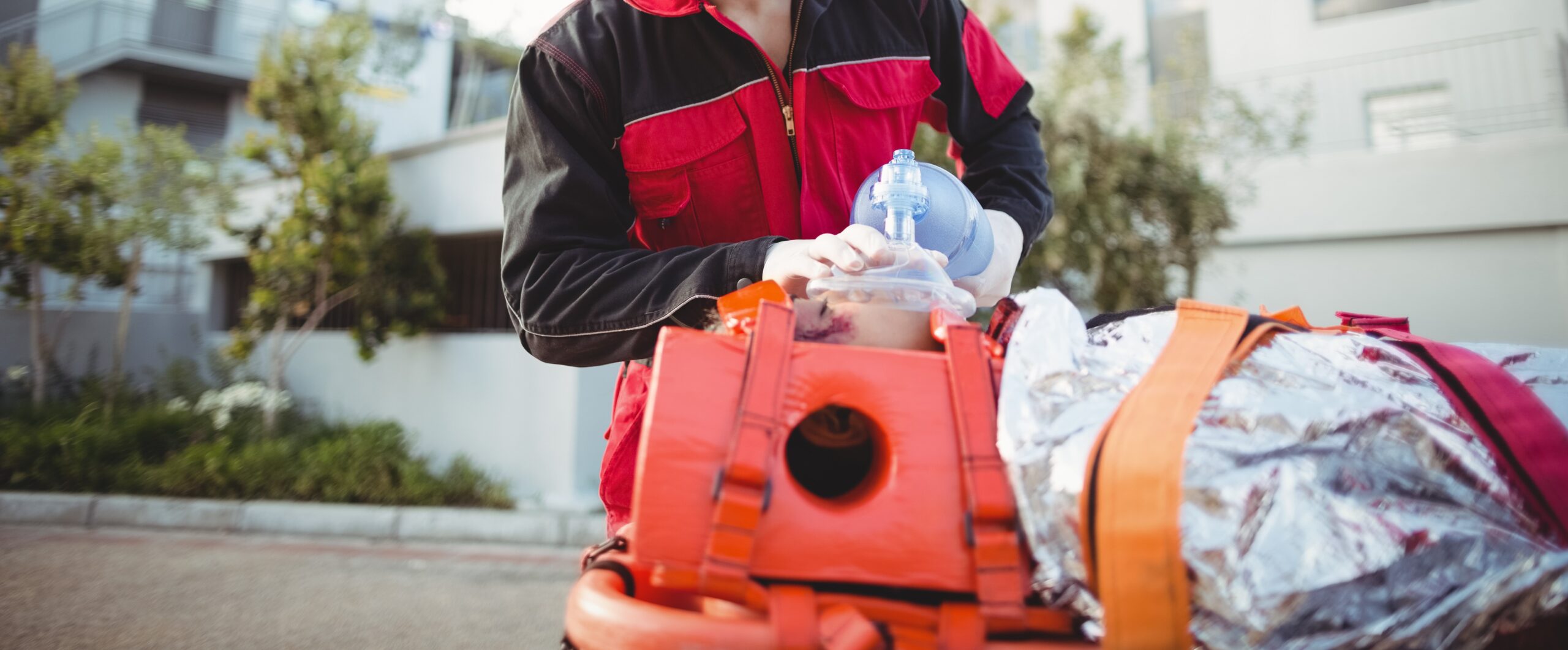
Burn injuries sustained during a fishing vessel fire are especially dangerous due to delayed access to advanced medical care. Offshore crews may have limited first-aid supplies and no onboard medical personnel. Severe burns can lead to:
For U.S. maritime workers, treatment may involve emergency airlift, prolonged hospitalization, multiple surgeries, and long-term rehabilitation.
When a fishing vessel fire occurs, legal protections for maritime workers differ significantly from traditional land-based workplace injury laws.
Under the Jones Act, qualifying seamen may pursue claims against their employer if negligence contributed to the incident. This may include contributing factors such as:
Unlike workers’ compensation, Jones Act claims allow injured mariners to seek damages for:
Vessel owners have a duty to provide a seaworthy vessel. If unsafe conditions — such as faulty wiring, defective fire suppression systems, or inadequate safety equipment — contributed to a fishing vessel fire, injured crew members may have additional legal remedies.
Maritime law also entitles injured seamen to “maintenance and cure,” which covers living expenses and medical treatment while recovering, regardless of fault.
For families of U.S. maritime workers, a fishing vessel fire can be terrifying. Even more so when loved ones operate far from shore. Families should consider speaking with an attorney if:
Even when a rescue is successful, underlying safety violations may warrant legal review.
Fishing vessel fire cases often require:
Independent investigation helps determine whether negligence or unseaworthy conditions played a role. A skilled legal team can help workers and families carefully evaluate potential causes and liability.
The Jones Act is a specific maritime law that allows injured seamen to sue their employer for negligence related to a maritime injury.
Possibly. Minor injuries, psychological trauma and delayed medical complications may still justify legal consultation.
Even if the vessel is lost, claims may still be pursued based on maintenance records, testimony, and electronic data.
Deadlines vary, but prompt action is critical to preserve evidence and protect rights.
In many cases, yes. For example, if the worker or vessel has U.S. connections. Each case requires careful legal analysis.
The recent Pacific rescue demonstrates both the resilience of mariners and the vital role of coordinated emergency response. But not every fishing vessel fire ends without tragedy. Sadly, many of them cause catastrophic or fatal injuries.
Maritime workers deserve safe vessels, proper training, and functional safety systems. When those protections fail, injured seamen and their families may have powerful legal rights under federal maritime law.
At Kherkher Garcia, we represent maritime workers injured in vessel fires, offshore accidents, and catastrophic maritime incidents nationwide. If you or a loved one was harmed in a fishing vessel fire, we invite you to contact our team for a free consultation.
You dedicate your life to working at sea. If negligence contributed to your injuries, we are here to help you pursue accountability and justice. Start now by calling 713-333-1030. You can also request more information by submitting our online contact form.
Image by Freepik

This page has been written, edited, and reviewed by a team of legal writers following our comprehensive editorial guidelines. This page was approved by attorneys Steve Kherkher and Jesus Garcia Jr., who have more than 50 years of combined legal experience championing the rights of those who have experienced catastrophic injury due to negligence.
Connect with a Kherkher Garcia trial lawyer today to pursue maximum compensation for your injury.



 Message Us
  Call Us