Call Us Today
Call Us Today
Steve Kherkher - March 30, 2023

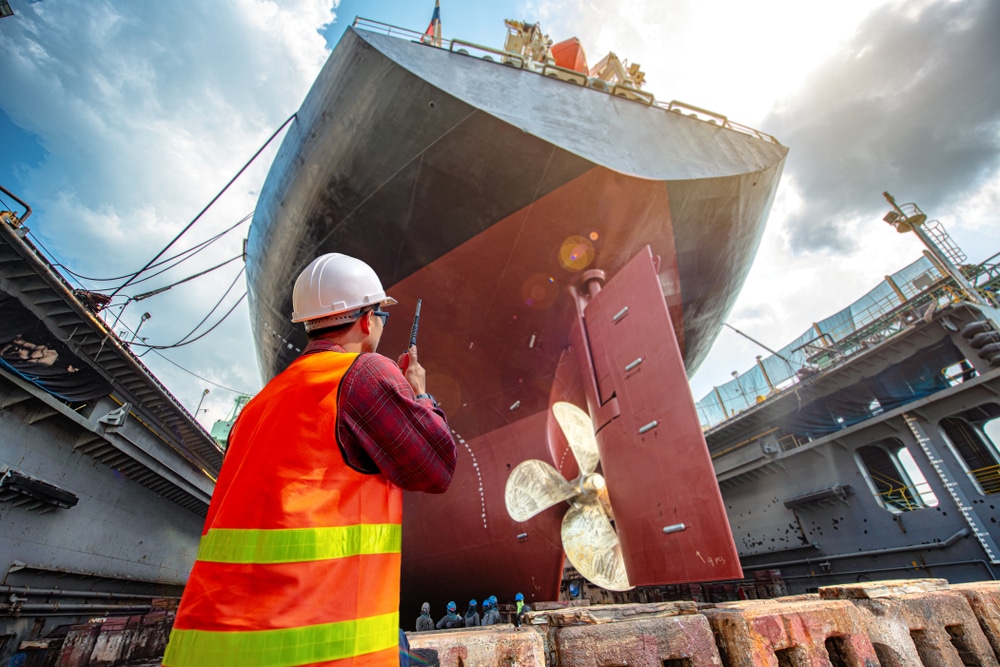
The Longshore and Harbor Workers’ Compensation Act (LHWCA) is a federal law that provides compensation and medical benefits to maritime workers who suffer an injury or become ill while working on navigable waters or in adjoining areas. The LHWCA covers maritime workers who are not otherwise covered by The Jones Act or state workers’ compensation plans.
Individuals who work in the maritime industry often have questions about their rights and options to obtain benefits if they are injured on the job. At Kherkher Garcia, LLP, we are here to support maritime workers and their families. Below, our offshore injury lawyers have compiled some of the most frequently asked questions about the LHWCA – one of the most relevant maritime laws for injury victims.
Some of the most common questions about the LHWCA include:
The Longshore and Harbor Workers’ Compensation Act (LHWCA) covers a wide range of workers, including longshoremen, harbor workers, ship repairers, shipbuilders, and ship breakers. The injuries must occur on the navigable waters of the United States or in the adjoining areas, including piers, docks, terminals, wharves, and areas used in loading and unloading vessels.
To be covered by the LHWCA, a worker must be an employee of a covered employer. A covered employer is one that:
The scope of the Longshore and Harbor Workers’ Compensation Act (LHWCA) is limited to certain maritime workers. It will not cover workers who are covered by state workers’ compensation plans, or certain groups of maritime workers, such as:
The Longshore and Harbor Workers’ Compensation Act (LHWCA) covers any injury or illness that is work-related and occurs on the job. This can include injuries from accidents, as well as illnesses caused by exposure to hazardous materials or other work-related conditions. Some of the most common types of injuries covered by the LHWCA include:
Maritime employers must take certain steps in an employee reports an injury. Employer obligations include:
Maritime workers who meet the occupational Longshore and Harbor Workers’ Compensation Act (LHWCA) requirements will automatically qualify for coverage. However, that does not mean that you are automatically guaranteed compensation. You must still follow appropriate procedures to file a claim.
To file a claim under the LHWCA, you must notify your employer of your injury or illness within 30 days of the incident. You will then need to complete a claim form and submit it to the OWCP.
Under the LHWCA, you must generally file a claim within one year of the date of your injury. This is known as the statute of limitations for LHWCA claims. However, there are some exceptions to this rule. For example, if your employer has voluntarily paid compensation for your injury or was not notified of your injury within the one-year period, the deadline for filing a claim may be extended.
Additionally, if you were unable to file a claim within the one-year period due to circumstances beyond your control, such as a medical condition or other personal hardship, you may be allowed additional time to file.
It’s important to note that it is generally best to file a claim as soon as possible after your injury rather than waiting until the deadline approaches. This can help ensure that your claim is processed in a timely manner and that you receive the compensation you deserve.
The amount of compensation you can receive under the LHWCA depends on the severity of your injury or illness, as well as your average weekly wage. It may also depend on other factors like disability, pain and suffering, and inability to return to the same occupation. LHWCA benefits may include medical expenses, disability payments, and vocational rehabilitation.
No, the LHWCA provides an exclusive remedy for injured workers and prohibits you from suing your employers for damages. However, if a third party was involved in the incident that caused your injury or illness, you may be able to file a separate lawsuit against them.
If your Longshore and Harbor Workers’ Compensation Act (LHWCA) claim is denied, you have the right to appeal the decision. There are a few steps you can take to challenge a denial:
There is no requirement that you have a lawyer assist you in filing a Longshore and Harbor Workers’ Compensation Act (LHWCA) claim. However, it is a good idea to have professional legal support on your side. A qualified maritime lawyer can help you protect your rights and get the most favorable outcome from your claim. Working with a lawyer provides the benefits of having a professional:
Having a lawyer on your side can help you focus on recovering from your injury or illness without additional stress due to your claim. That peace of mind is an invaluable asset for complex maritime legal matters.
If you have questions about a maritime injury, the Longshore and Harbor Workers’ Compensation Act (LHWCA), or your legal rights, Kherkher Garcia can help. We have been helping maritime workers obtain compensation for injuries for more than 30 years.
Call us to get answers to your questions and find out your best options for compensation. For a free consultation, call 713-333-1030.

This page has been written, edited, and reviewed by a team of legal writers following our comprehensive editorial guidelines. This page was approved by attorneys Steve Kherkher and Jesus Garcia Jr., who have more than 50 years of combined legal experience championing the rights of those who have experienced catastrophic injury due to negligence.
Connect with a Kherkher Garcia trial lawyer today to pursue maximum compensation for your injury.