Call Us Today
Call Us Today
Steve Kherkher - September 4, 2025

Survivors of childhood sexual abuse connected to The Church of Jesus Christ of Latter-day Saints (the “LDS Church”) are increasingly coming forward to seek accountability and compensation. Many describe patterns familiar from other institutional abuse cases: grooming by trusted leaders, internal handling of complaints instead of reporting to police, and lifelong trauma that surfaces decades later.
In the FAQ below, the sexual abuse attorneys at Kherkher Garcia explain what these lawsuits allege, where current litigation stands, who may have a claim, and how a skilled attorney can help safeguard your rights.
California’s three-year revival window for time-barred child sexual-assault claims led to a wave of LDS-related cases . Reports indicate nearly 100 allegations were filed in the state, several in San Diego County. Plaintiffs allege that bishops and other leaders abused them and that the Church failed to report or stop known abuse. Some plaintiffs’ lawyers have pushed for centralized case management.
A high-profile Arizona case centers on whether a bishop had a legal duty to report a member’s confession of child abuse. After a 2023 dismissal based on clergy-penitent privilege, an appellate court in July 2025 revived the suit, holding a jury should decide whether reporting was required under state law. The Church has said it acted in accordance with Arizona law and intends to appeal.
Investigations have reported that Church guidance and legal hotlines sometimes routed allegations to counsel, which critics say deterred reporting to law enforcement. The Church publicly states that abuse is inexcusable and that leaders must stop abuse, help victims, and follow legal reporting requirements.
Statutes of limitations for civil child-sex-abuse claims vary and are evolving. Several states extend time for adults to sue and/or open revival windows. Always check your state’s current law, as deadlines are crucial.
Important: Litigation is active and laws change. Survivors should consult counsel promptly to understand deadlines in their state.
Survivors file lawsuits in order to:
Anyone who was sexually abused as a child by an LDS leader, volunteer, member, or affiliated adult may have a claim. Depending on the facts, claims can be brought against the perpetrator and, in some cases, against institutions (local units or the Church) for negligence, negligent supervision, negligent retention, failure to warn, or related torts.
Not necessarily. Many states have extended limitation periods for civil child-sex-abuse claims or created revival windows that reopen otherwise time-barred cases—California’s window, for example, enabled a surge of LDS-related filings. The precise deadlines are state-specific and time-sensitive, so survivors should speak with counsel immediately.
Clergy-penitent privilege can protect confidential religious communications in some circumstances. But the scope and exceptions vary by state, and courts disagree about when the privilege applies. In July 2025, an Arizona appellate court said a jury should decide whether church officials had a duty to report a member who confessed abuse—illustrating that privilege questions can be contested and fact-dependent.
Possible compensation can include therapy and counseling costs, past and future medical care, lost wages/earning capacity, pain and suffering, and in appropriate cases, punitive damages meant to punish and deter egregious misconduct. State law governs the types and amounts of damages.
Many courts allow survivors to proceed as John/Jane Doe to protect privacy. Your lawyer can request anonymity and seek protective orders to limit disclosure of sensitive information. Whether anonymity is granted can vary by jurisdiction and judge.
Even if decades have passed, evidence can include: your own account; contemporaneous notes or journals; disclosures you made to anyone; church records (appointments, callings, disciplinary minutes); therapist or medical records; emails or letters; and testimony from friends, leaders, or family. Experienced counsel know how to locate and preserve institutional records through subpoenas and discovery.
Internal reporting does not foreclose civil claims. In fact, some lawsuits allege that complaints were kept inside ecclesiastical channels or routed to legal advice lines instead of law enforcement—an issue central to several filings and investigative reporting. Your legal rights don’t depend on whether leaders complied with their own policies.
It depends on proof. Plaintiffs may pursue theories such as negligent hiring/retention, negligent supervision, failure to train, failure to report, or concealment. Courts will examine what the Church or its agents knew or should have known, what policies existed, how complaints were handled, and whether failures contributed to the harm.
Civil litigation is separate from ecclesiastical matters. Some survivors remain members; others do not. Your decision to file is a personal one centered on safety, healing, and accountability. Your attorney can help safeguard you from retaliation and seek court orders as needed.
Many cases proceed even when perpetrators are deceased or evidence is old. Courts allow discovery into institutional knowledge and policies, and juries can weigh survivor testimony together with documents and witnesses. Trauma-informed counsel can help you share your story at a pace that respects your well-being.
Both occur. Some cases resolve in confidential settlements; others proceed to motion practice or trial. Trends can shift as courts decide privilege questions, statutes of limitations, and institutional liability. Media coverage shows active negotiations and motions in multiple jurisdictions, especially where look-back windows have produced clusters of cases.
Serious civil cases often take months to years. Many attorneys (including our firm) handle these matters on a contingency fee, meaning you pay no fees unless we recover money for you. Case expenses are typically advanced by the firm and reimbursed from any recovery—details are set out in a written fee agreement.
Kherkher Garcia operates using a trauma-informed approach. We offer flexible scheduling, survivor-centered pacing, coordination with therapists, careful deposition preparation, and protective orders for sensitive information. Your well-being is as important as the legal strategy.
At Kherkher Garcia, our mission is to protect survivors and pursue the accountability they deserve. Here’s what we do:
If you or someone you love suffered sexual abuse connected to the LDS Church, whether by a bishop, leader, volunteer, or member, you are not alone, and you have options. Time limits can be short and changing.
Contact Kherkher Garcia today for a free, confidential consultation with an attorney who understands the unique issues in LDS cases. We will explain your rights, protect your privacy, and fight for the accountability and compensation you deserve. Get started now by calling us at 713-333-1030. You can also request more information by submitting our online contact form.
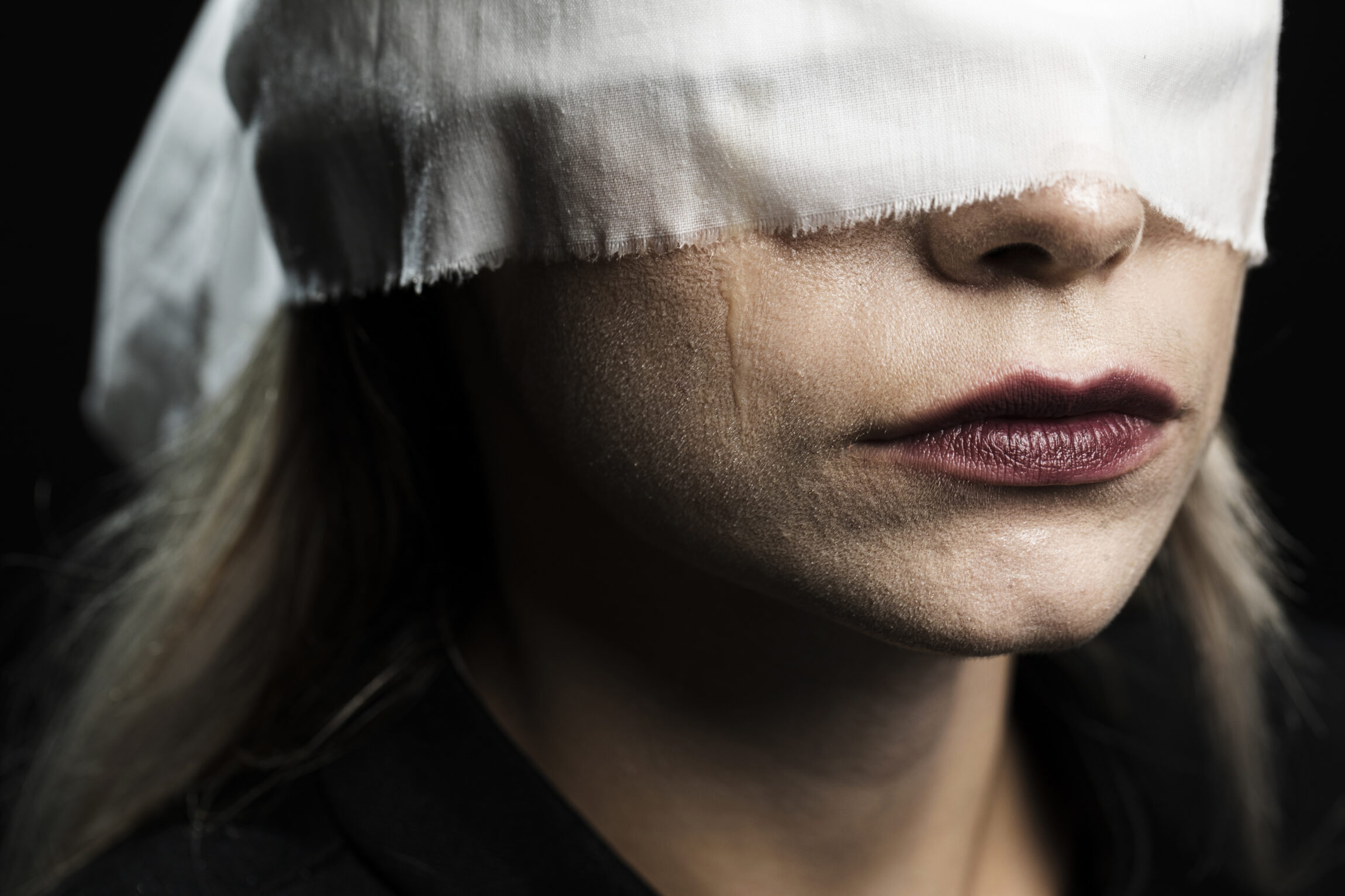
Image by jcomp on Freepik

This page has been written, edited, and reviewed by a team of legal writers following our comprehensive editorial guidelines. This page was approved by attorneys Steve Kherkher and Jesus Garcia Jr., who have more than 50 years of combined legal experience championing the rights of those who have experienced catastrophic injury due to negligence.
Connect with a Kherkher Garcia trial lawyer today to pursue maximum compensation for your injury.