Call Us Today
Call Us Today
Steve Kherkher - May 12, 2026


Oil rig work is among the most dangerous occupations in the United States. Workers in Texas and throughout the Gulf Coast face daily exposure to flammable gases, high-pressure systems, heavy equipment, and hazardous industrial conditions. When something goes wrong on an oil rig, the consequences can be catastrophic. Oil rig explosions often result in serious injuries and loss of life. These incidents often leave workers and families searching for answers about what happened and whether the tragedy could have been prevented.
Understanding the causes of oil rig explosions is critical for workers, families, and anyone involved in the oil and gas industry. Below, the oil and gas injury attorneys at Kherkher Garcia explain how these explosions happen, the injuries they can cause, and what legal rights injured workers and families may have after a serious incident.
Texas remains at the center of the nation’s oil and gas industry. Unfortunately, these two states experience some of the highest numbers of oilfield and rig injuries and fatalities.
According to the Center for Disease Control and Prevention (CDC) Fatalities in Oil and Gas Extraction Database, Texas recorded 219 oilfield worker deaths between 2014 and 2019, more than any other state in the country.
Federal offshore incident data also shows hundreds of injuries occur annually in offshore oil and gas operations in the Gulf of Mexico. The Bureau of Safety and Environmental Enforcement (BSEE) reported more than 220 offshore injuries in recent reporting years.
While not every incident involves an explosion, fires and explosions remain among the most dangerous hazards facing oil rig workers.
There is rarely a single cause behind a catastrophic oil rig explosion. Most incidents result from a combination of dangerous conditions, equipment failures, and operational breakdowns. Below are some of the most common causes of oil rig explosions that we see at Kherkher Garcia.
Oil rigs involve highly flammable gases and vapors. If these substances escape containment and encounter an ignition source, the result can be immediate and catastrophic. Ignition sources may include:
Even a small gas leak can quickly escalate into a deadly explosion if safety systems fail.
One of the most dangerous situations on an oil rig is a blowout. A blowout occurs when pressure control systems fail and oil or gas erupts uncontrollably from a well. These events can lead to fires, explosions, and mass casualty incidents. The Deepwater Horizon explosion remains one of the most well-known examples of a catastrophic blowout resulting in an oil rig explosion.
Oil rigs rely on highly complex machinery operating under extreme pressure and temperatures. Failures in various types of equipment or parts can lead to malfunctions and dangerous incidents. Some equipment and parts that are often involved in incidents include:
Poor maintenance or defective equipment may significantly increase the risk of dangerous incidents.
Oil rig work involves long hours, physically demanding conditions, and high-pressure decision-making. Human error is unfortunately a common cause of incidents. Examples include:
Welding, cutting, and grinding operations, often called “hot work”, can ignite flammable gases or vapors. Hot work accidents are especially dangerous in confined or poorly ventilated areas. It is crucial that proper safety precautions are taken during hot work.
Many oil rig explosions are linked to failures in workplace safety systems. These are also human errors, but are more specific to operators, owners, and supervisors. Examples include:
When companies fail to prioritize safety, workers may face catastrophic consequences.
Oil rig explosions often result in life-changing injuries. Some of the injuries that Kherkher Garcia routinely sees in oil and gas injury cases include:
Burns are among the most common and severe injuries in oil rig explosions. Workers may suffer:
Serious burns often require long-term treatment, such as:
Many victims are left with permanent scarring and disability. In the worst burn cases, victims do not survive their catastrophic injuries.
The force of an explosion can cause blast injuries when workers are near the explosion source, or are in the blast radius. These injuries may include:
Workers may also be thrown by the blast or struck by debris.
Explosions can cause concussions and traumatic brain injuries due to blast pressure, falls, or flying objects. These injuries may have long-term cognitive and emotional effects.
Oil rig explosions may release smoke, hazardous chemicals, hydrogen sulfide gas, and other toxic fumes. Exposure can lead to serious respiratory illnesses and long-term health complications.
Sadly, many oil rig explosions result in fatal injuries. Families who lose loved ones in these incidents suffer irreparable harm. They often face overwhelming grief, financial uncertainty, and unanswered questions about what happened.
Federal safety agencies consistently recognize oil and gas extraction as one of the nation’s most hazardous industries.
According to data from the CDC and the Occupational Safety and Health Administration (OSHA):
Workers often operate in:
Even routine tasks can become deadly when safety systems fail.
Injured oil rig workers may have important legal rights depending on where and how incidents occur. Some workers may qualify for workers’ compensation benefits. However, workers’ compensation benefits may not fully cover catastrophic injuries. At Kherkher Garcia, we often employ the following strategies to help workers pursue compensation:
Offshore workers may have protections under maritime law, including the Jones Act. These claims may allow injured workers to pursue compensation for negligence involving unsafe vessels or offshore operations.
Oil rig operations often involve multiple companies working together. This can result in more than one party being liable if injuries occur. Potentially responsible parties may include:
Third-party claims may provide compensation beyond workers’ compensation benefits.
Families who lose a loved one in an oil rig explosion may have the right to pursue wrongful death claims. Depending on the circumstances, compensation available via wrongful death claims may include:
Wrongful death investigations often focus on whether negligence, equipment failures, or safety violations contributed to the incident.
At Kherkher Garcia, we represent workers and families affected by catastrophic oilfield and offshore incidents. We assist clients throughout Texas and nationwide. Our team handles cases involving:
We work to investigate serious industrial accidents, preserve evidence, identify responsible parties, and pursue the compensation injured workers and families may deserve.
Oil companies and contractors often move quickly after a catastrophic incident to protect their interests. Workers and families deserve experienced advocates focused on protecting theirs.
If you or a loved one has been injured in an oil rig explosion or serious oilfield accident, Kherkher Garcia can help. We offer free confidential consultations to hear your story, discuss your rights, and determine the best legal options. Start your consultation now by calling us at 713-333-1030. You can also reach out to us via our online contact form.
We invite you to read our following related blogs:
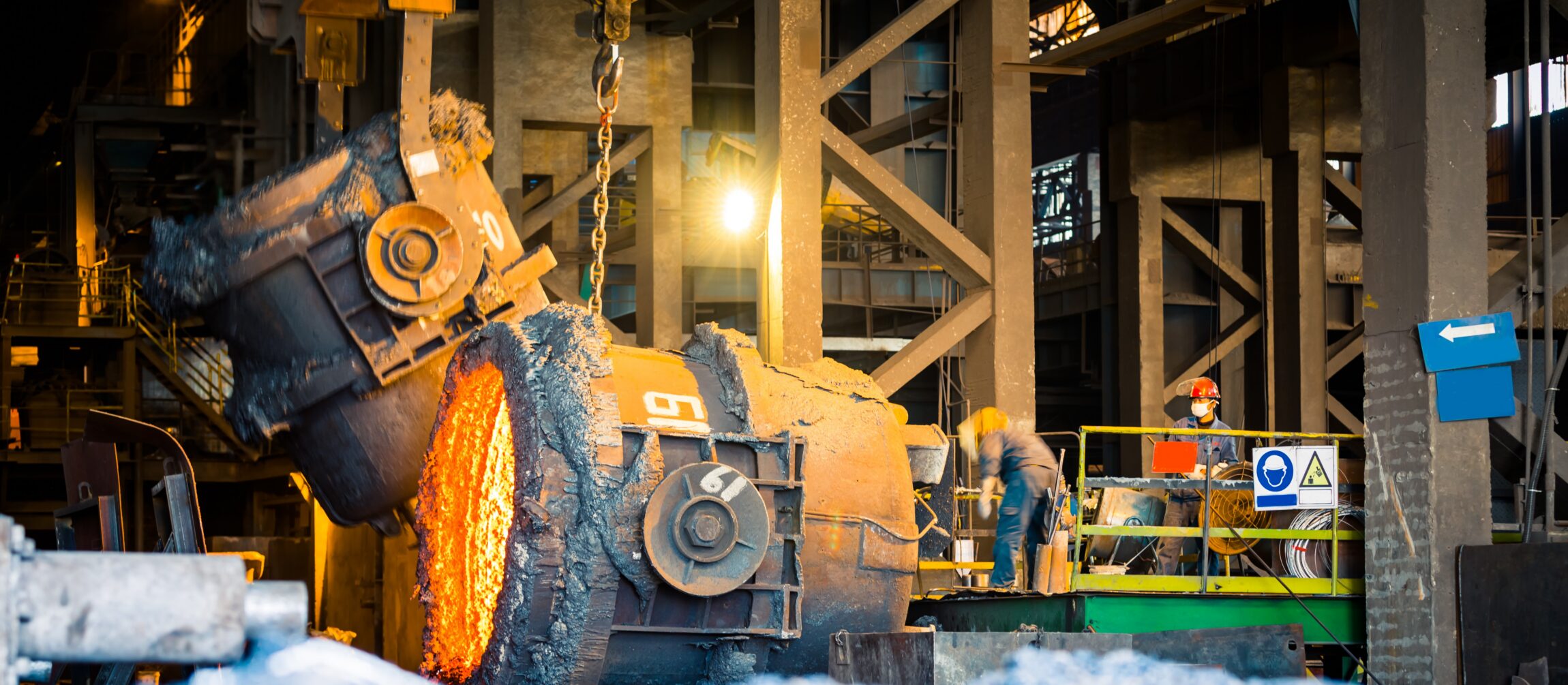
Image by atlascompany on Freepik

This page has been written, edited, and reviewed by a team of legal writers following our comprehensive editorial guidelines. This page was approved by attorneys Steve Kherkher and Jesus Garcia Jr., who have more than 50 years of combined legal experience championing the rights of those who have experienced catastrophic injury due to negligence.
Connect with a Kherkher Garcia trial lawyer today to pursue maximum compensation for your injury.