
Call Us Today
Call Us Today
Steve Kherkher - September 2, 2024

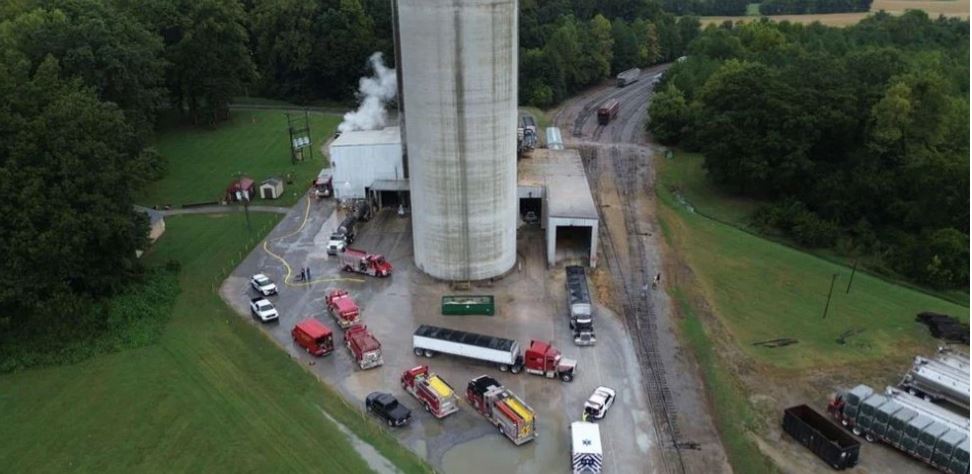
One person is recovering from burn injuries from a fire that began as a dust explosion. The incident happened last week at a Tyson facility in Franklin County, Tennessee. Reports say that a truck was unloading grain when a dust explosion occurred, igniting a fire that traveled into the grain hopper and up the grain elevator. The stored grain also caught fire.
Dust explosions involving grain and other materials are a hazard that is often overlooked. Incidents like this one highlight the hazard and the resulting injuries that are possible when grain or other similar materials ignite.
At Kherkher Garcia, our burn injury attorneys have helped victims involved in all manner of incidents. Dust explosions, oil refinery fires, natural gas explosions, offshore work, auto accidents, and defective products – these are just a sampling of the types of cases that we can help with. Below, we will take a closer look at dust explosions and burn injuries, and what workers can do to protect themselves from such hazards.
Grain silos and elevators play a critical role in the agriculture and food industries by storing and transporting large quantities of grain. However, they are also susceptible to one of the most dangerous industrial hazards: dust explosions. These incidents are often catastrophic, leading to property destruction, environmental harm, injuries, and even fatalities. Understanding the dangers of dust explosions and resulting fires in grain silos and elevators is essential for both prevention and mitigation.
Dust explosions in grain silos and elevators occur when grain dust, which is highly combustible, ignites in the presence of an ignition source. The explosive potential of grain dust arises from its physical properties. When grain is processed, moved, or stored, it creates fine particles, or dust, that become suspended in the air. These dust particles are often too small to be seen, but they are highly flammable due to their large surface area relative to their mass.
To understand the conditions that lead to a dust explosion, it is essential to recognize the “dust explosion pentagon.” This concept outlines the five elements required for a dust explosion to occur:
When all five elements of the pentagon are present, a dust explosion can be triggered. Grain dust explosions are typically two-stage events. The initial explosion dislodges more dust, which becomes airborne and ignites, causing a much larger secondary explosion.
The consequences of dust explosions and fires in grain silos and elevators are devastating. These incidents can destroy entire facilities, jeopardizing the livelihoods of farmers, mill operators, and the surrounding community. The explosion and subsequent fires not only cause physical damage but also endanger workers and emergency responders.
Dust explosions in industrial settings, particularly in grain silos, elevators, and manufacturing facilities, pose significant risks to workers, with burn injuries being one of the most common and severe consequences. When dust ignites, the resulting explosion generates intense heat, capable of causing life-threatening burns in seconds. These injuries often affect the skin, face, arms, and upper body—areas most exposed during the blast. The high temperatures, combined with the rapid spread of flames, often leave victims with severe third-degree burns, which can lead to permanent scarring, nerve damage, and even amputations.
Burn injuries from dust explosions typically require extensive medical treatment, including emergency care, surgeries such as skin grafts, and long-term rehabilitation. Victims may face months or years of recovery, during which they are unable to work, further compounding the financial toll. In addition to the physical pain, victims often experience emotional and psychological trauma, including post-traumatic stress disorder (PTSD) and depression.
Dust explosions in grain handling facilities have occurred around the world, with some of the most notable events taking place in the United States. These incidents highlight the devastating consequences of dust explosions and underscore the importance of safety measures.
Preventing dust explosions in grain silos and elevators requires a comprehensive approach that addresses both dust management and ignition control. Regulatory agencies like OSHA and the National Fire Protection Association (NFPA) have established guidelines to minimize the risk of dust explosions in industrial facilities.
If a dust explosion is the result of negligence, such as inadequate dust control, poor maintenance of equipment, or failure to follow safety regulations, victims may have legal grounds to pursue compensation. Legal representation is crucial in navigating complex claims and ensuring victims receive the full compensation they are entitled to after such devastating incidents.
At Kherkher Garcia, our burn injury attorneys help victims seek damages for medical expenses, lost wages, pain and suffering, and more. Our attorneys fight to protect the rights of injury victims and hold responsible those accountable. Holding responsible parties, including employers and equipment manufacturers, accountable not only helps victims recover but also promotes safer practices in the industry, potentially preventing future accidents.
If you or a loved one are suffering burn injuries due to a dust explosion, call Kherkher Garcia as soon as possible at 713-333-1030. With a free consultation, we can help you understand your rights and the options you may have to pursue compensation. You can also reach out to us via our online contact form.
Image from Estill Springs PD on Fox17.com

This page has been written, edited, and reviewed by a team of legal writers following our comprehensive editorial guidelines. This page was approved by attorneys Steve Kherkher and Jesus Garcia Jr., who have more than 50 years of combined legal experience championing the rights of those who have experienced catastrophic injury due to negligence.
Connect with a Kherkher Garcia trial lawyer today to pursue maximum compensation for your injury.




 Message Us
  Call Us