Call Us Today
Call Us Today
Steve Kherkher - January 10, 2026

On Christmas Eve 2022, a fire and explosion ripped through parts of Archer Daniels Midland’s (ADM) grain processing facility in Fremont, Nebraska. While no workers were physically injured that day, federal safety inspectors later made it clear: this ADM plant explosion was a near-catastrophe. Excessive combustible grain dust, poor maintenance, and unsafe cleaning practices created conditions that could easily have resulted in serious injuries or loss of life.
At Kherkher Garcia, we represent workers who are harmed when companies fail to prioritize safety. The Fremont explosion underscores why strong safety standards, and accountability when those standards are ignored, are critical to protecting workers’ lives.
Newly released records obtained through a Freedom of Information Act request by Investigate Midwest provide a troubling look inside the Fremont facility. It further reveals broader, systemic safety issues across ADM operations. For workers in grain processing plants, refineries, silos, and other industrial environments, this incident is a stark reminder of how quickly negligence can turn a routine shift into a life-altering disaster.
The December 24, 2022 incident occurred inside a room where soybeans were ground into meal, a process that generates large amounts of fine, combustible dust. According to OSHA investigators, a mechanical malfunction created a spark, igniting grain dust that had accumulated in the area.
A dust-collection bag attached to the grinding equipment had been leaking for an unknown length of time, allowing dust to escape and settle throughout the room. A smolder began in the bag, and flames traveled through ductwork into other parts of the facility.
Although the fire was eventually contained, OSHA inspectors observed something alarming: the room where the fire started was coated with grain dust roughly one inch thick, which is far above federally permitted levels.
Grain dust explosions are among the most well-known and preventable hazards in agricultural and food processing facilities. Dust from soybeans, corn, wheat, and other grains is highly combustible. When it accumulates and encounters an ignition source, even a small spark can trigger a powerful explosion.
Federal safety standards require facilities to clean combustible dust once it reaches one-eighth of an inch. OSHA inspectors found dust at the Fremont facility measuring eight times that amount.
As one federal inspector bluntly told plant management, the situation “could have been a hell of a lot worse.”
For workers inside these facilities, excessive dust buildup isn’t just a housekeeping issue, it’s a constant, invisible threat.
OSHA’s investigation included hours of recorded interviews with plant employees and managers, along with hundreds of pages of inspection notes. The findings revealed troubling patterns:
Investigators asked plant management how long it would take for an inch of dust to accumulate. No one could provide an answer. To inspectors, it appeared the area “hadn’t been touched in a while.”
One of the most concerning revelations involved the use of compressed air to clean dust while machinery was still running. Using compressed air in this way is dangerous and, under OSHA standards, prohibited unless all machinery is shut down. Blowing dust into the air while equipment is operating can create a highly explosive dust cloud that only needs a heat source to ignite.
Despite this, OSHA inspectors were told ADM employees regularly used compressed air to clean active equipment. In many cases, the dust wasn’t removed at all, it was simply blown onto walls and other surfaces, where it continued to accumulate.
Safety experts note that compressed air also aerosolizes fine dust particles, increasing inhalation risks and worsening the potential severity of an explosion.
Interviews revealed that even supervisors with experience could not recall basic safety thresholds related to combustible dust. When asked how much dust was allowed in high-priority areas, one supervisor admitted he couldn’t remember the standard. He did know that dust accumulation is dangerous.
Another senior manager was unsure whether soybean dust was combustible. Others acknowledged that ADM’s dust-management policies “could be improved.”
For workers, this lack of awareness at the management level is deeply concerning. When supervisors don’t fully understand the risks, safety procedures are far less likely to be enforced.
The Fremont incident was not isolated. According to data maintained by Purdue University researchers, ADM facilities experienced at least eight dust explosions between 2018 and 2024. That is more than nearly any other company during that period. Across those incidents:
OSHA records also revealed that while only two fires were publicly reported between 2021 and 2023, investigators documented eight smolders or fires at the Fremont facility alone during that timeframe.
These findings raise serious questions about corporate oversight, safety culture, and whether known hazards were adequately addressed.
At the Fremont plant, dust cleanup was handled by a third-party contractor. Plant management told OSHA they had raised concerns about the contractor’s performance to ADM’s corporate office without results. The contractor, in turn, told OSHA that ADM did not address problems “until it was broken.”
Eventually, ADM replaced the maintenance contractor in early 2023. While the new contractor reported efforts to improve conditions, the damage had already been done. Years of inadequate dust control had placed workers in danger.
From a legal perspective, both companies and contractors can be held accountable when negligence leads to unsafe working conditions.
Following the investigation, ADM agreed to pay approximately $41,000 in fines related to the 2022 fire. No individual employees were charged.
For many worker advocates, this raises an important question: are fines alone enough to deter dangerous practices when workers’ lives are at stake?
When companies fail to follow safety regulations, injured workers may have legal options beyond OSHA enforcement. This may include personal injury claims when negligence contributes to harm.
At Kherkher Garcia, we represent workers injured in explosions, fires, chemical releases, and other industrial accidents caused by unsafe conditions. These cases often involve:
Our attorneys understand how complex these cases can be, especially when large corporations and multiple contractors are involved. We also understand how frequently similar incidents happen in facilities in Texas. We work to uncover what went wrong, who was responsible, and how injured workers can pursue full and fair compensation.
Grain dust explosions can cause severe burns, blast injuries, traumatic brain injuries, respiratory damage, and fatalities. Even smaller fires or smolders can expose workers to toxic smoke and long-term lung damage.
Yes. OSHA fines do not compensate injured workers. They are a deterrent. If negligence contributed to an injury, workers may be able to pursue a personal injury claim or third-party lawsuit.
This depends on the facts of the case. Liability may extend to plant owners, corporate entities, maintenance contractors, equipment manufacturers, or other third parties, depending on the circumstances.
Near-miss incidents like the Fremont explosion still matter. They show patterns of negligence that can support future claims and highlight dangerous practices that put workers at risk every day.
No one should have to risk their life just to earn a paycheck. When companies ignore safety standards, cut corners, or fail to address known hazards, workers pay the price.
If you or a loved one has been injured in a grain dust explosion, industrial fire, or workplace incident caused by negligence, Kherkher Garcia is here to help. Our experienced attorneys fight for injured workers and their families, holding negligent companies accountable and pursuing the compensation victims deserve.
Contact Kherkher Garcia today for a free and confidential consultation. We are committed to protecting workers and demanding safer workplaces for Texans. Start now by calling 713-333-1030, or by submitting our online contact form.
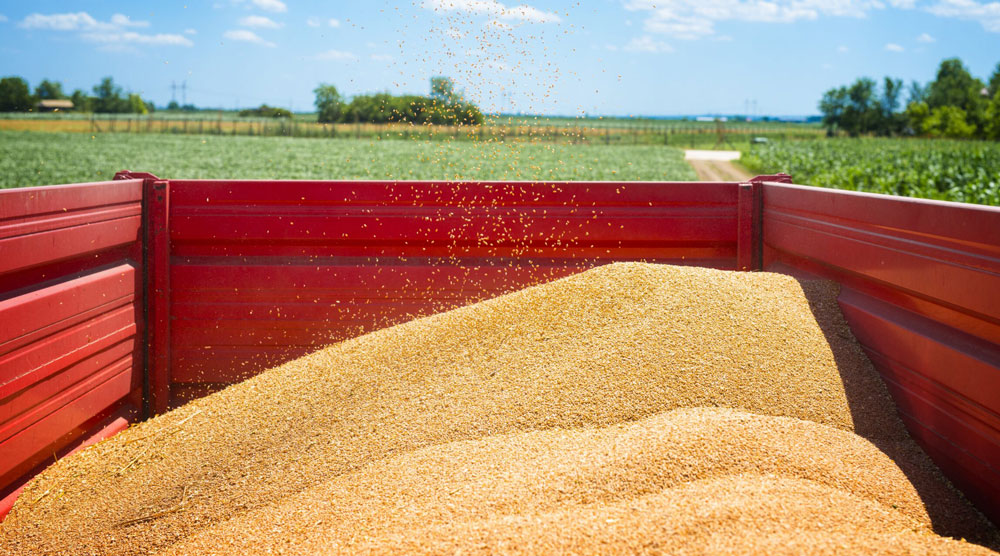
Image by aleksandarlittlewolf on Freepik

This page has been written, edited, and reviewed by a team of legal writers following our comprehensive editorial guidelines. This page was approved by attorneys Steve Kherkher and Jesus Garcia Jr., who have more than 50 years of combined legal experience championing the rights of those who have experienced catastrophic injury due to negligence.
Connect with a Kherkher Garcia trial lawyer today to pursue maximum compensation for your injury.