Call Us Today
Call Us Today
Steve Kherkher - February 19, 2026


Tesla vehicles are known for sleek design and cutting-edge technology. But in recent years, media reports and lawsuits have raised serious concerns about whether certain design features may create dangerous conditions during or after a crash. One major concern is defective Tesla door handles.
Families have alleged that Tesla door systems failed to open after impact, leaving occupants trapped inside vehicles during fires or other emergencies. While investigations continue and facts vary by case, these reports have sparked broader legal and safety discussions about electronic door mechanisms, emergency egress, and product liability.
At Kherkher Garcia, we represent individuals and families harmed by defective automotive products. When safety features fail at the moment they are needed most, accountability matters. Our product liability attorneys can help families pursue justice.
Many Tesla models, including the Tesla Model S, Model 3, Model X, and Model Y, utilize electronically actuated, flush-mounted door handles. Unlike traditional mechanical handles, these systems:
Inside the vehicle, doors are typically opened using electronic buttons rather than mechanical levers. Tesla vehicles do include manual emergency release mechanisms, but their placement and accessibility have become a topic of public discussion. They are also a serious safety concern.
Electronic systems can provide aesthetic and aerodynamic benefits. However, critics argue that reliance on power-dependent components may introduce new risks in post-collision scenarios.
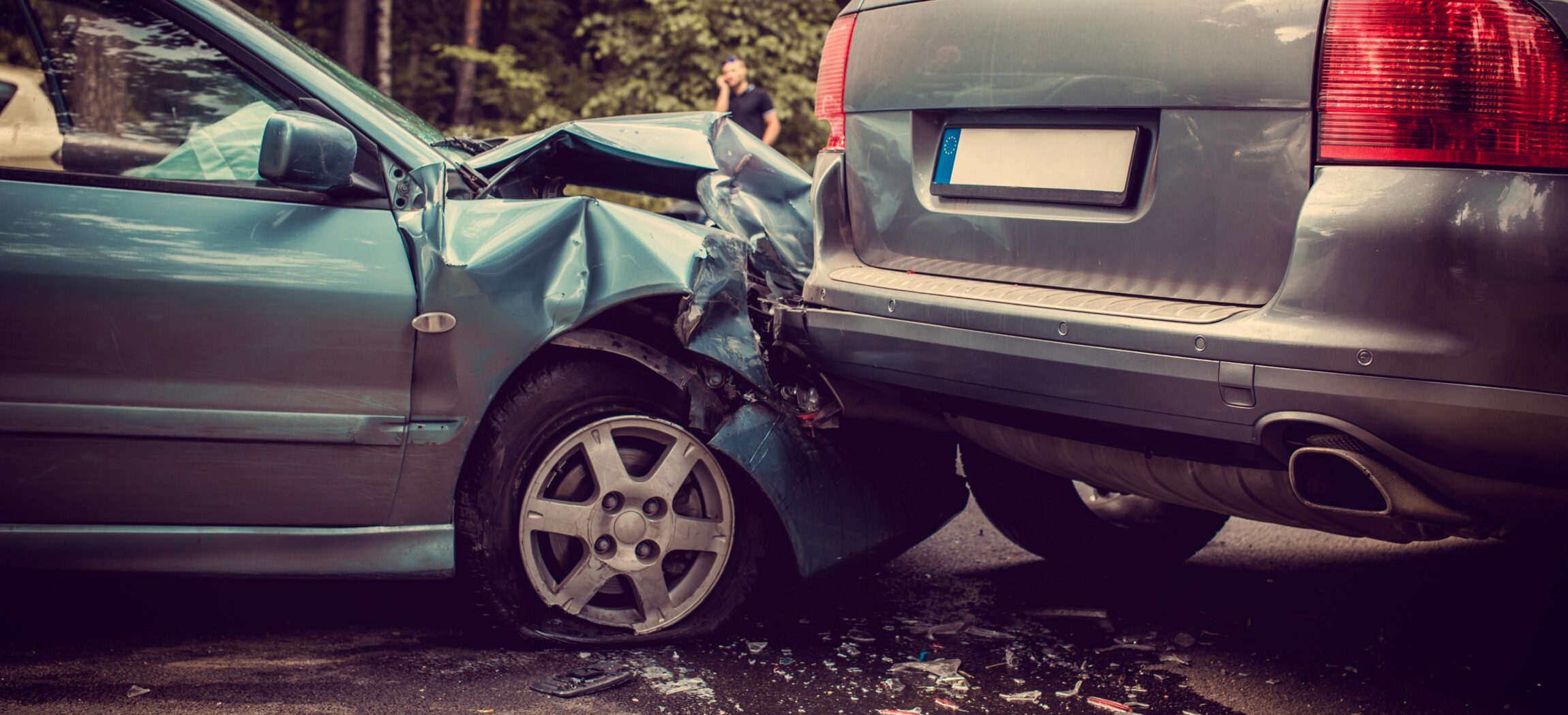
Media reports have described crashes in which Tesla vehicles allegedly caught fire after impact and occupants were unable to exit the vehicle through standard door mechanisms. In some cases, family members have alleged that first responders or bystanders were unable to open doors quickly due to handle design or electronic failure.
It is important to note that crash dynamics vary widely, and investigations into specific incidents remain ongoing. However, the recurring nature of certain allegations, particularly involving fire and delayed egress, has prompted broader scrutiny. One investigation involves children who became trapped inside a Tesla forcing parents to break the windows to remove them.
The National Highway Traffic Safety Administration (NHTSA) has previously investigated Tesla-related safety concerns in other contexts, including crash performance, AI integration, and battery fires. Regulatory agencies continue to monitor emerging automotive technologies across manufacturers.
There have also been numerous lawsuits against Tesla for features like the Autopilot driver-assist system. In 2025, Tesla was ordered to pay more than $240 million in damages to victims and families injured in Tesla crashes.
In high-impact collisions, several factors can interfere with electronic door function. Examples include:
When doors cannot be opened electronically, occupants must rely on manual emergency releases. If those releases are difficult to locate, obstructed, or unfamiliar to passengers, evacuation time may be delayed.
In vehicle fires, seconds matter. This is especially so in lithium-ion battery fires. Rapid exit can mean the difference between survival and catastrophic injury.
Electric vehicles, including those manufactured by Tesla, use high-voltage lithium-ion battery packs. While statistically rare, battery fires can be intense and difficult to extinguish once ignited.
When a vehicle catches fire after a crash, safe and immediate exit is critical. Allegations involving defective Tesla door handles often center on the argument that occupants were unable to escape in time due to design-related barriers. Concerns raised in litigation have included:
Whether these issues constitute a design defect depends on engineering analysis, regulatory standards, and crash reconstruction evidence.
When occupants cannot exit a vehicle promptly after impact, injuries can be devastating. In some cases, the injuries may be related to vehicle defects rather than the accident itself. Reported injuries in these cases have included:
Burn injuries are particularly common in vehicle fire cases. Victims may require multiple surgeries, skin grafts, prolonged hospitalization, and long-term rehabilitation. Emotional trauma and psychological distress often follow.
In fatal cases, families are left searching for answers about whether design failures contributed to their loved one’s death. In these cases, it is beneficial to contact a wrongful death attorney to investigate the accident and the family’s legal rights.
When a vehicle or part design allegedly contributes to injury or death, legal claims often fall under product liability law. These claims may involve:
Automotive product liability cases are complex and often require expert testimony from engineers, fire investigators, crash reconstruction specialists, and human factors experts.
Modern vehicles are essentially computers on wheels. Tesla vehicles, in particular, collect extensive data logs, event recorder data, and software telemetry. In defective door handle litigation, key evidence may include:
Preserving this evidence early is critical. Spoliation concerns can arise if vehicles are destroyed or repaired before inspection. These cases also frequently involve large corporate defendants with significant resources and technical defense teams.
If you or someone you love was injured due to defective Tesla door handles, there may be legal options to recover compensation. Compensation for product liability claims may include:
If a loved one was killed in a vehicle fire or post-crash entrapment scenario, families may have the right to pursue a wrongful death claim under Texas law or the applicable jurisdiction. A wrongful death claim may seek compensation for:
It is important to understand that civil claims are separate from regulatory investigations or any criminal charges. Even if no recall has been issued, families may still have legal rights depending on the evidence.
Families and injured individuals should consider consulting an attorney if:
Early legal consultation can help preserve vehicle evidence, secure data logs, and ensure that independent experts evaluate the crash. Because product liability claims often involve strict deadlines and technical evidence, prompt investigation is critical.
Kherkher Garcia has extensive experience handling catastrophic injury and wrongful death cases involving defective automotive components and advanced vehicle systems. Our firm understands the technical and legal challenges presented by emerging vehicle technologies. In cases involving alleged design defects, we work to:
Every case is unique, and outcomes depend on the evidence. But when safety systems allegedly fail at the moment they are needed most, we believe those concerns deserve serious scrutiny.
Tesla vehicles represent innovation and technological advancement. However, innovation must be accompanied by safety. When serious injuries or fatalities occur, families deserve transparency and accountability.
If you or a loved one was injured in a crash involving alleged Tesla door handle failure or post-crash entrapment, Kherkher Garcia offers free, confidential consultations to review your case and explain your legal options.
You should not have to face complex automotive defect litigation alone. Our team is here to listen, investigate, and help you take the next step forward. Start now by calling 713-333-1030. You can also reach out to us online via our confidential contact form.
Image from Freepik

This page has been written, edited, and reviewed by a team of legal writers following our comprehensive editorial guidelines. This page was approved by attorneys Steve Kherkher and Jesus Garcia Jr., who have more than 50 years of combined legal experience championing the rights of those who have experienced catastrophic injury due to negligence.
Connect with a Kherkher Garcia trial lawyer today to pursue maximum compensation for your injury.