Call Us Today
Call Us Today
Steve Kherkher - May 27, 2025


Last week, an ammonia leak at the Tyson Foods plant in Monroe, North Carolina, prompted a swift evacuation. Emergency crews responded quickly to the gas leak, and thankfully, no injuries were reported. While the situation was brought under control within the hour, this incident highlights a serious and recurring risk faced by workers in chicken processing plants across the United States: ammonia exposure and other occupational hazards.
Chicken processing plants use large quantities of hazardous chemicals like ammonia, and workers in these facilities are often exposed to high-risk environments. If safety protocols fail or equipment malfunctions, the results can be catastrophic. At Kherkher Garcia, we help injured workers understand their legal rights and pursue the compensation they deserve after workplace incidents like chemical leaks, burns, or toxic exposure.
In this article, our work accident lawyers in Houston, TX explain the dangers of ammonia gas, the occupational risks in poultry processing facilities, your legal rights as a worker, and why it is important to work with an experienced work injury attorney.
On April 15, a gas leak at the Tyson Foods plant in Monroe led to a full evacuation of the facility. Emergency responders, including multiple agencies, identified the incident as an active ammonia leak and urged the public to stay clear of the area. Fortunately, all employees were safely evacuated, and no injuries were reported. The leak was successfully controlled by early afternoon. The cause of the leak is under investigation.
Ammonia is a colorless gas with a pungent odor, commonly used in industrial refrigeration systems – especially in food processing and cold storage facilities. In chicken processing plants, ammonia is essential for:
While ammonia is effective for industrial use, it is extremely hazardous to humans when leaked or improperly handled.
When released into the air, ammonia can rapidly cause harm through inhalation, skin contact, or eye exposure. The severity of injuries depends on the concentration of ammonia and the duration of exposure. Acute ammonia exposure can lead to:
Workers in confined spaces like refrigeration rooms or processing lines are especially vulnerable. If ventilation systems fail or a leak goes undetected, the gas can quickly accumulate to dangerous levels.
Ammonia exposure is just one of many dangers that poultry workers face. These plants operate under high-speed production demands, often with long hours, cold temperatures, and heavy machinery. Common injuries include:
These dangers are often made worse by inadequate safety protocols, poor training, lack of personal protective equipment (PPE), or underreporting of safety violations. These dangers are not limited to workers, however; first responders are also at risk.
If you suffer injuries while working in a chicken processing plant, whether from an ammonia leak or another workplace hazard, you may have several legal options for seeking compensation:
Most employers are required to carry workers’ compensation insurance, which provides medical care, wage replacement, and disability benefits to injured workers. However, these benefits are limited and may not cover all your losses.
If an injury is due to defective equipment, a maintenance contractor, or a chemical supplier, you may be able to file a third-party lawsuit for additional compensation. These claims can help you recover damages for:
If a worker tragically dies due to ammonia exposure or another workplace hazard, surviving family members may be able to file a wrongful death claim for funeral costs, loss of financial support, and emotional suffering.
Navigating a work injury claim is not easy, especially when dealing with large corporations like Tyson Foods or insurance providers who are focused on minimizing payouts. An experienced work injury attorney can:
At Kherkher Garcia, we understand the complex regulations surrounding industrial accidents and chemical exposure. We have helped countless injured workers get justice after workplace incidents, and we are ready to fight for you.
Yes, but delays in reporting may affect your ability to collect full benefits. Contacting an attorney quickly can help protect your rights.
Typically, you should file a workers’ compensation claim within two years. This depends on your state. Third-party lawsuits may have different deadlines. Don’t wait. Speak to a lawyer right away to avoid missing important deadlines.
Yes. All workers, regardless of immigration status, are entitled to a safe workplace and may qualify for workers’ compensation. Do not let fear stop you from asserting your rights.
Ammonia leaks and other hazards in poultry processing plants can leave workers with life-altering injuries. At Kherkher Garcia, we believe that no worker should suffer in silence or accept less than they deserve. Our legal team is committed to protecting the rights of injured workers and holding negligent employers accountable.
Whether you were exposed to toxic chemicals, injured by unsafe equipment, or hurt due to poor working conditions, we are ready to stand by your side.
If you or a loved one was injured in a chicken processing plant, contact Kherkher Garcia for a free consultation. Our experienced attorneys will review your case, explain your options, and fight for the justice you deserve. Call us now at 713-333-1030. You can also fill out our online form to schedule your free consultation or request additional information.
Your health, your rights, and your future matter. Let Kherkher Garcia help you take the next step toward recovery.
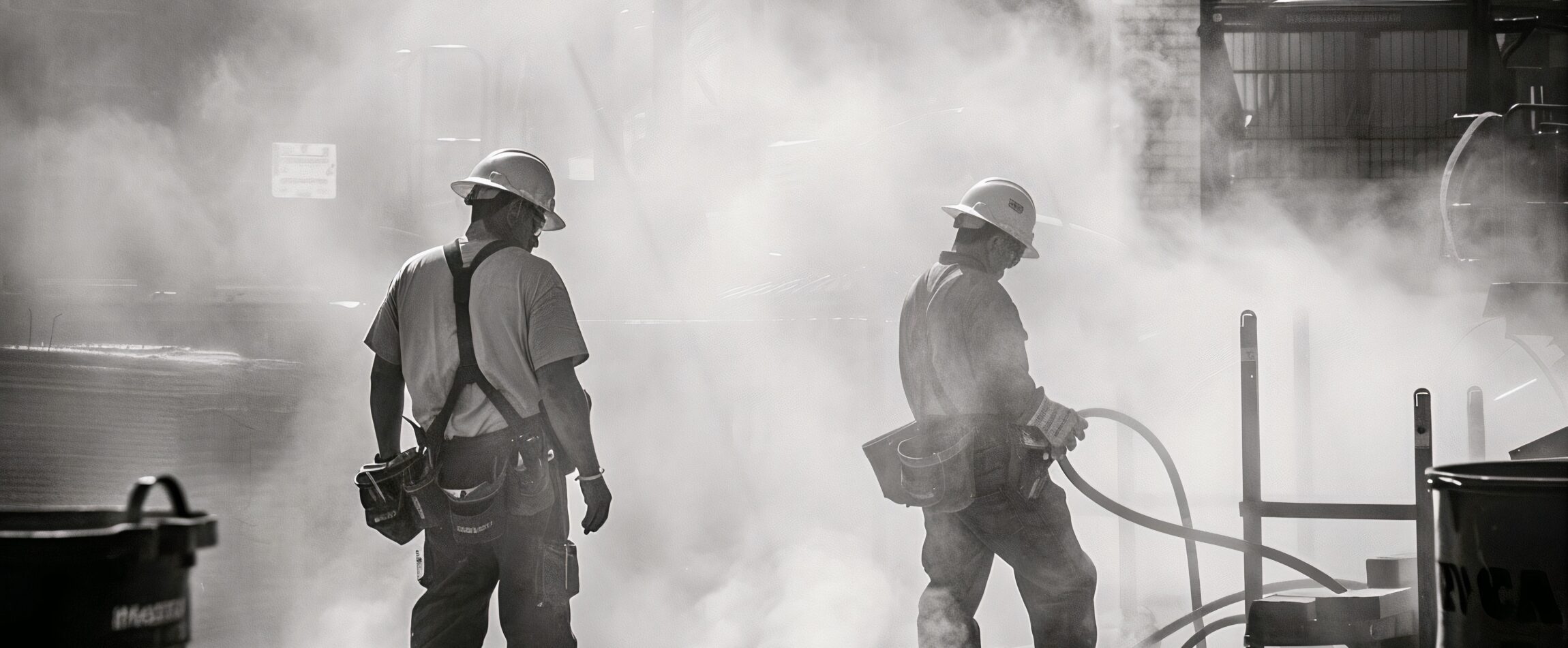
Image by azerbaijan_stockers on Freepik

This page has been written, edited, and reviewed by a team of legal writers following our comprehensive editorial guidelines. This page was approved by attorneys Steve Kherkher and Jesus Garcia Jr., who have more than 50 years of combined legal experience championing the rights of those who have experienced catastrophic injury due to negligence.
Connect with a Kherkher Garcia trial lawyer today to pursue maximum compensation for your injury.