Call Us Today
Call Us Today
Steve Kherkher - May 8, 2025


A recent oil refinery explosion in West Tuscaloosa, Alabama has reignited longstanding concerns about public safety, infrastructure preparedness, and the inherent dangers associated with refinery operations. While the full scope of the damage is still under investigation, the incident serves as a stark reminder of the catastrophic risks posed by industrial facilities – not only to workers, but also to surrounding communities.
In the article below, the oil and gas injury attorneys at Kherkher Garcia share insight into the Tuscaloosa explosion. We explore the hazards of working in, and living near, oil refineries, and how explosions can impact public safety.
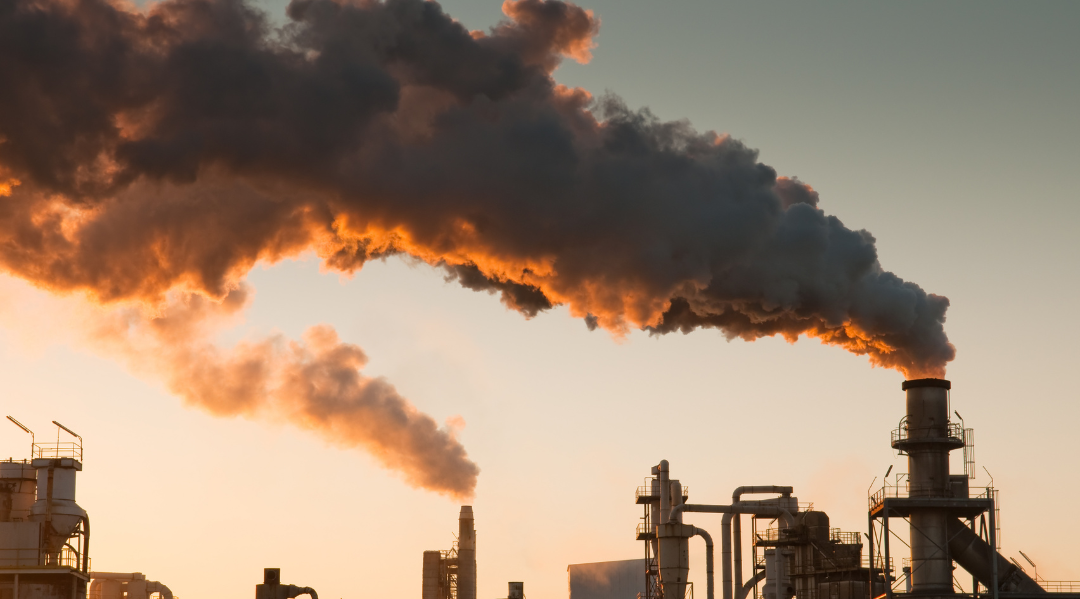
Just before noon, a powerful explosion rocked the Hunt Oil Refinery located on Jack Warner Parkway. The blast sent thick black smoke high into the sky, alarming residents and rattling homes across the region. Some locals reported hearing and feeling the explosion as far as 16 miles away. Emergency crews responded quickly, containing the fire within an hour. No injuries have been confirmed, and the cause of the explosion remains unknown.
This alarming event occurred shortly after city leaders held a district meeting focused on public safety and emergency response challenges in West Tuscaloosa. A key topic was the development of a new fire station to address delays caused by frequent railroad crossings. These delays could prove disastrous in emergencies like an oil refinery explosion. Incidents like this one underscore the urgency of these safety discussions and the real-world risks posed by industrial infrastructure.
Oil refineries are complex, high-risk environments where even a small oversight or equipment malfunction can have devastating consequences. Workers are exposed to extreme heat, high pressures, volatile chemicals, and heavy machinery on a daily basis. Despite advances in technology and safety regulations, the potential for accidents remains significant.
Common Hazards in Refineries Include:
Without rigorous safety protocols, thorough training, and regular maintenance, these hazards can quickly lead to catastrophic outcomes.
The Tuscaloosa explosion, while still under investigation, is far from an isolated event. Across the United States and worldwide, refinery fires, explosions, and toxic leaks have resulted in numerous fatalities, severe injuries, and widespread environmental damage. Some of the most common types of injuries suffered by refinery workers and nearby residents include:
Thermal burns from fire or steam, chemical burns from exposure to hazardous substances, and electrical burns are common in refinery accidents. Severe burns may require skin grafts, amputations, or long-term rehabilitation.
Inhalation of smoke, toxic gases, or fine particulates can lead to acute or chronic respiratory conditions, including asthma, chemical pneumonitis, or lung fibrosis. Hydrogen sulfide, in particular, is known for its rapid toxicity even at low concentrations.
Explosions or equipment malfunctions can result in broken bones, traumatic brain injuries, spinal cord injuries, or even loss of limbs. Falling debris or being struck by machinery during a blast is a significant risk.
Both workers and residents may suffer post-traumatic stress disorder (PTSD), anxiety, or depression after witnessing or surviving a refinery explosion. The mental toll of such high-stress, life-threatening events cannot be understated.
Explosions and fires at refineries often release toxic pollutants into the air and water. These emissions can cause long-term health concerns for nearby communities, especially vulnerable populations like children, older individuals, and individuals with preexisting conditions.
The Tuscaloosa oil refinery explosion also drew attention to how municipal infrastructure can affect emergency response times. The proposed Fire Station Number Five is designed to mitigate delays caused by railway crossings that frequently block access to West Tuscaloosa. In high-stakes incidents like refinery explosions, even minutes of delay can mean the difference between containment and catastrophe.
If fire crews or ambulances cannot reach the scene promptly due to blocked crossings or outdated facilities, both workers and residents are placed at higher risk. This incident reveals the interconnectedness of industrial safety, public planning, and community well-being. Investing in emergency preparedness, including better station placement, route planning, and communication systems, is essential for minimizing casualties in future disasters.
When a refinery explosion occurs, multiple parties may suffer harm – workers on site, emergency responders, and even residents in surrounding neighborhoods. In many cases, those harmed may have legal grounds to pursue compensation, especially if negligence or safety violations are found.
Injured refinery workers are typically entitled to workers’ compensation benefits, which cover medical bills, lost wages, and rehabilitation. However, if a third party—such as an equipment manufacturer or outside contractor—is found to be responsible, injured workers may also be able to pursue a personal injury lawsuit for additional damages.
Nearby residents affected by explosions or toxic exposure may be able to file personal injury claims if the refinery is found liable for negligence. Property damage, displacement, or long-term health effects could justify compensation. In some cases, class action lawsuits are filed on behalf of entire communities affected by major industrial accidents.
If a refinery explosion results in fatalities, families may be eligible to file wrongful death lawsuits. These claims seek compensation for loss of income, funeral expenses, emotional suffering, and loss of companionship.
Legal cases involving industrial explosions are complex. Multiple agencies, contractors, and corporate entities may share liability, and technical evidence such as safety reports, maintenance records, and witness testimony is often essential. An experienced attorney can:
At Kherkher Garcia, our attorneys have a strong track record of standing up to major oil and energy companies. We represent workers and families across the country who have been harmed by preventable industrial accidents.
While no serious injuries have yet been confirmed in the Tuscaloosa explosion, the event serves as a wake-up call. Industrial facilities operating near populated areas must adhere to the highest safety standards – not only for their workforce but for the surrounding community. Regular safety audits, modern emergency infrastructure, and prompt response protocols are not optional – they are essential.
City planners and local governments must also ensure that emergency services can respond quickly and effectively, especially in areas with known barriers such as railroad crossings. The proposed fire station in District 2 is a step in the right direction, but the urgency of such projects is underscored by events like this.
If you or a loved one has been injured in an oil refinery explosion – or lives in a community impacted by toxic exposure – don’t wait to take action. Your health, safety, and legal rights matter. Seeking immediate medical attention and documenting your experiences is crucial. It is also imperative to contact an attorney who understands the complexities of industrial injury and environmental litigation.
Oil refinery explosions can change lives in an instant. Whether you are a worker injured on the job or a resident affected by the blast, you may be entitled to compensation. At Kherkher Garcia, we are committed to holding negligent companies accountable and helping victims recover physically, emotionally, and financially.
Our experienced legal team is here to listen, investigate, and fight for you. Contact us today for a free, confidential consultation and learn how we can help you protect your rights. Get started right now by calling 713-333-1030. You can also reach out to us online via our website contact form.
Image by freepik

This page has been written, edited, and reviewed by a team of legal writers following our comprehensive editorial guidelines. This page was approved by attorneys Steve Kherkher and Jesus Garcia Jr., who have more than 50 years of combined legal experience championing the rights of those who have experienced catastrophic injury due to negligence.
Connect with a Kherkher Garcia trial lawyer today to pursue maximum compensation for your injury.