Call Us Today
Call Us Today
Steve Kherkher - February 13, 2025

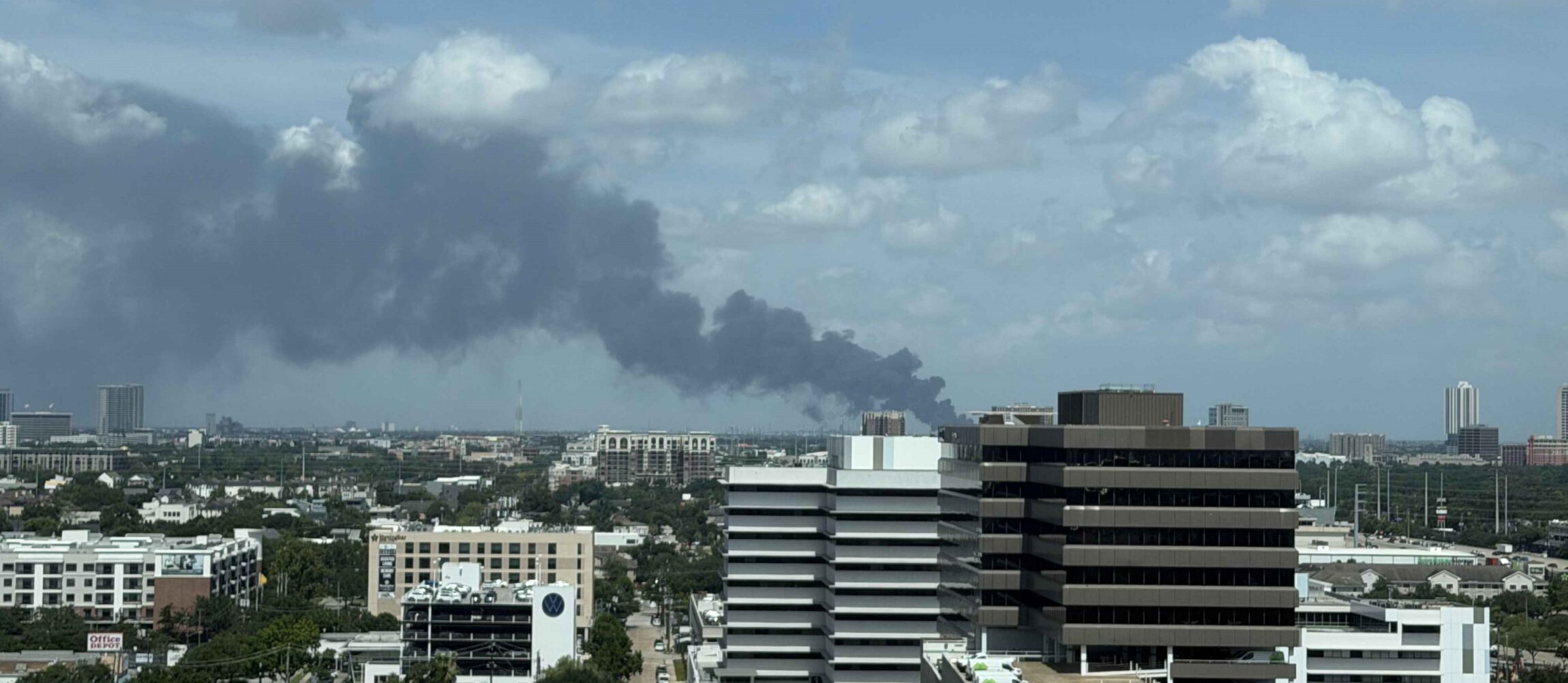
A battery plant explosion is a catastrophic event with potentially devastating consequences for nearby communities. When a facility housing lithium-ion batteries ignites, the release of toxic chemicals, intense fires, and structural damage can lead to widespread health and environmental concerns.
Recently, residents near the Moss Landing Power Plant in Monterey County, California, raised alarms following a fire at the facility, which destroyed a significant portion of the site and forced evacuations. While officials assured the public that there was no immediate health risk, many locals continue to express concerns about exposure to hazardous chemicals, particularly hydrogen fluoride.
In the article below, the oil and gas field injury attorneys at Kherkher Garcia explore the recent explosion, the hazards of battery plant incidents, and how victims of a battery plant explosion can protect their legal rights.
A state of emergency was declared in Monterey County, California, following a major fire at a battery plant in January. The Monterey County Board of Supervisors ratified the emergency during a special session regarding the fire at Vistra Energy’s Moss Landing Power Plant. The county’s administrative officer initially issued the proclamation when the fire began a week earlier, allowing the county to seek state and federal assistance.
The fire, which officials allowed to burn, was extinguished by that following Tuesday. Small pockets of heat remained under drone surveillance. The 300-megawatt lithium storage facility was largely destroyed, along with its contents. The facility, part of a natural gas-powered plant operated by Vistra Energy, also housed a battery storage station owned by PG&E.
Evacuation orders for around 1,200 residents near the plant were lifted later that week, though some road closures remained. The Environmental Protection Agency (EPA) concluded additional air monitoring and stated there was no risk to public health. The agency began testing for hydrogen fluoride and particulate matter but did not conduct extensive chemical analysis due to costs.
Despite official assurances, residents near the fire and surrounding communities requested further soil and water testing, citing health symptoms such as respiratory issues and a metallic taste.
Despite official statements that there was no immediate public health risk following the Moss Landing battery plant fire, community members have voiced concerns about lingering toxic exposure. Many residents reported experiencing respiratory irritation, headaches, and a metallic taste in their mouths following the incident. Some have called for independent testing and greater transparency from local authorities and environmental agencies.
The Environmental Protection Agency (EPA) and local air quality monitoring organizations conducted tests in the aftermath of the explosion, primarily focusing on airborne contaminants. However, residents argue that additional soil and water testing is necessary to determine whether harmful chemicals have settled into their environment. Without comprehensive testing, the full extent of potential health risks remains uncertain.
Local officials have urged concerned residents to report any health symptoms to medical professionals and to follow any recommended safety precautions. In some cases, exposure-related illnesses can take time to manifest, making ongoing health monitoring essential for those in affected areas.
Battery plants store and manage vast amounts of energy in lithium-ion cells, making them highly volatile under certain conditions. When these batteries overheat, short-circuit, or suffer damage, they can trigger thermal runaway—a rapid, self-sustaining increase in temperature that leads to combustion and explosion. Once ignited, battery fires are challenging to extinguish due to the high energy density and flammable electrolytes within lithium-ion cells.
During such incidents, dangerous chemicals are released into the air, posing health risks to emergency responders and residents. These toxins can include carbon monoxide, hydrogen fluoride, and other volatile organic compounds (VOCs). The presence of these substances heightens concerns over short- and long-term health effects for individuals living near an explosion site.
One of the most concerning byproducts of lithium-ion battery fires is hydrogen fluoride (HF). This highly toxic and corrosive gas forms when fluorinated electrolytes within the batteries break down under high temperatures. Exposure to hydrogen fluoride can have serious consequences, including severe respiratory issues, chemical burns, and even life-threatening systemic poisoning.
Hydrogen fluoride is particularly dangerous because it can penetrate human tissue, causing deep chemical burns that may not immediately be painful but can worsen over time. Upon inhalation, HF can cause severe irritation to the respiratory tract, leading to coughing, shortness of breath, and pulmonary edema. Even at low concentrations, prolonged exposure can result in chronic lung damage. Additionally, when HF comes into contact with skin, it can rapidly absorb into the bloodstream, binding to calcium and magnesium in the body and leading to life-threatening imbalances.
Medical treatment for HF exposure must be immediate and aggressive. Calcium gluconate, either as a topical gel or intravenous infusion, is commonly used to counteract HF poisoning. Delayed treatment can result in irreversible damage, making early detection and response critical in incidents involving battery plant explosions.
While hydrogen fluoride is a primary concern, other hazardous substances are released during lithium-ion battery fires. These include:
Given the potential for long-term contamination, local residents have demanded further testing of air, soil, and water samples to ensure their safety.
Residents who believe they have suffered harm due to exposure from a battery plant explosion may have legal options to pursue compensation. Depending on the circumstances, they may be able to file claims for:
Legal action may be taken against the battery plant operators, battery manufacturers, or other negligent parties whose actions or oversight contributed to the explosion. Affected residents should consult with experienced environmental or personal injury attorneys to understand their rights and determine the best course of action.
In the wake of incidents like the Moss Landing battery plant explosion, it is critical for industries and regulatory bodies to implement stricter safety measures to prevent future disasters. Some key preventive actions include:
The recent fire at the Moss Landing Power Plant has left residents with lingering concerns about toxic exposure, particularly from hydrogen fluoride and other hazardous chemicals. While government agencies have downplayed immediate health risks, many locals remain unconvinced and demand further testing and accountability.
For those impacted by a battery plant explosion, legal recourse may be available to seek compensation for health issues, property damage, and other losses. As the energy industry continues to expand its use of lithium-ion batteries, proactive safety measures and transparent communication with the public are essential to preventing future disasters.
Residents affected by battery plant explosions should stay informed, seek medical attention if they experience symptoms, and consider consulting a qualified attorney to explore their legal options. The long-term impact of such incidents can be profound, making vigilance and accountability crucial for protecting public health and safety.
If you or a loved one has suffered injuries or health complications due to a battery plant explosion, chemical exposure, or another catastrophic incident, Kherkher Garcia is here to help. Our experienced legal team is dedicated to fighting for victims’ rights and securing the compensation they deserve. We understand the devastating impact of toxic exposure and industrial accidents, and we are committed to holding negligent parties accountable.
At Kherkher Garcia, we offer free consultations to evaluate your case and provide clear guidance on your legal options. There are no upfront fees – we only get paid if we win your case. Don’t wait to seek justice. Contact us today to discuss your situation with a skilled attorney who will fight for you. Call us at 713-333-1030 now or fill out our online form to schedule your free, no-obligation consultation. Let us help you take the first step toward recovery.
Image by vecstock on Freepik

This page has been written, edited, and reviewed by a team of legal writers following our comprehensive editorial guidelines. This page was approved by attorneys Steve Kherkher and Jesus Garcia Jr., who have more than 50 years of combined legal experience championing the rights of those who have experienced catastrophic injury due to negligence.
Connect with a Kherkher Garcia trial lawyer today to pursue maximum compensation for your injury.