Call Us Today
Call Us Today
Steve Kherkher - January 24, 2024


In a sobering revelation for the maritime industry, energy giant Shell and offshore access solutions provider Ampelmann find themselves facing fines in the aftermath of a distressing incident involving crush injuries. The incident, marked by its implications for workplace safety and the wellbeing of maritime workers, underscores the critical need for a thorough reassessment of safety protocols within the industry.
Maritime workers are exposed to hazards due to the nature of their occupation. It is the responsibility of employers and supervisors to ensure a safe working environment, appropriate training, and access to personal protective equipment (PPE). When these responsibilities fail, workers are left at risk for serious, life-altering injuries.
At Kherkher Garcia, we have spent more than three decades helping maritime workers secure compensation for injuries caused by negligence. We understand the profound impact of crush injuries for victims and their loved ones. Below, our offshore injury lawyers provide information about crush injuries, their impact, and how you can get help pursuing justice.
In October, 2017, Martin Hill was a maintenance worker being transferred from the Kroonborg support ship to Shell’s Galleon PG offshore rig. Despite high winds and heavy seas, the transfer was initiated and workers were tasked with navigating the gangway in poor conditions, including inadequate lighting. The gangway on offshore rigs are designed to telescope so that the bridge stays full even if the distance between the rig and the ship changes.
According to reports, as Hill made his way across the gangway, the bridge telescoped inward catching both of his feet between the sections of the gangway. He was unable to free himself, and suffered extensive injuries. He was airlifted to a hospital where he was diagnosed with extensive crush injuries and removal of most of the skin on his feet.
Now, seven years later, Hill continues to struggle with the consequences of his injuries. He has difficulty walking and experiences chronic pain. He did not return to offshore work following the incident.
The U.K. Health and Safety Executive (HSE) initiated an investigation into the incident and found that workers using the Ampelmann gangways were not sufficiently protected from entrapment and injuries where the gangway telescopes. Additionally, the HSE found that Shell did not provide adequate training and instructions to workers. They stated that Shell’s instructions “were inconsistent and confusing and spread across several documents. They were not understood by those operating.”
Shell and Ampelmann were fined more than £1.2 million (approximately $1.5 million USD). The HSE hopes that these fines deter companies from being similarly negligent in their design, instructions, and supervision of such equipment.
Crush injuries in the maritime industry can occur due to various factors and situations. Some common causes include:
It is crucial for maritime industry employers to implement comprehensive safety measures, provide adequate training, and enforce strict adherence to safety protocols to minimize the risk of crush injuries. Regular equipment inspections and maintenance also play a vital role in preventing accidents in the maritime workplace.
The treatment, complications, and long-term impact of crush injuries can vary depending on the severity of the injury, the body parts affected, and the promptness of medical intervention. Treating crush injuries will depend on the nature and extent of the injuries. Generally, treatment may include the following:
Complications of crush injuries can vary, and can have a devastating impact on the life of the victim. Some potential complications from these injuries include:
Like any serious injury, crush injuries have the potential to impact the victim’s life for an extended period of time. As in the example above, the patient is still battling the effects of crush injuries seven years later. Some of the common long-term impacts of crush injuries include:
It is important to note that the long-term impact of crush injuries can vary widely, and individual cases may require a multidisciplinary approach involving medical professionals, rehabilitation specialists, and mental health support to address the unique needs of each patient. Early and comprehensive medical intervention is crucial for improving outcomes and minimizing long-term complications.
The Shell and Ampelmann case serves as a reminder that there is room for the maritime industry to improve upon safety measures. When maritime workers are injured due to negligence, they deserve the opportunity to fight back, protect their rights, and obtain compensation for their injuries. Crush injuries are catastrophic and life-changing, and victims deserve justice.
At Kherkher Garcia, our offshore injury lawyers know how to build a strong case and get clients the compensation they deserve. If you are suffering crush injuries due to negligence, we can help. Find out more by contacting us for a free consultation. Call 713-333-1030, or fill out our contact form to reach us online.
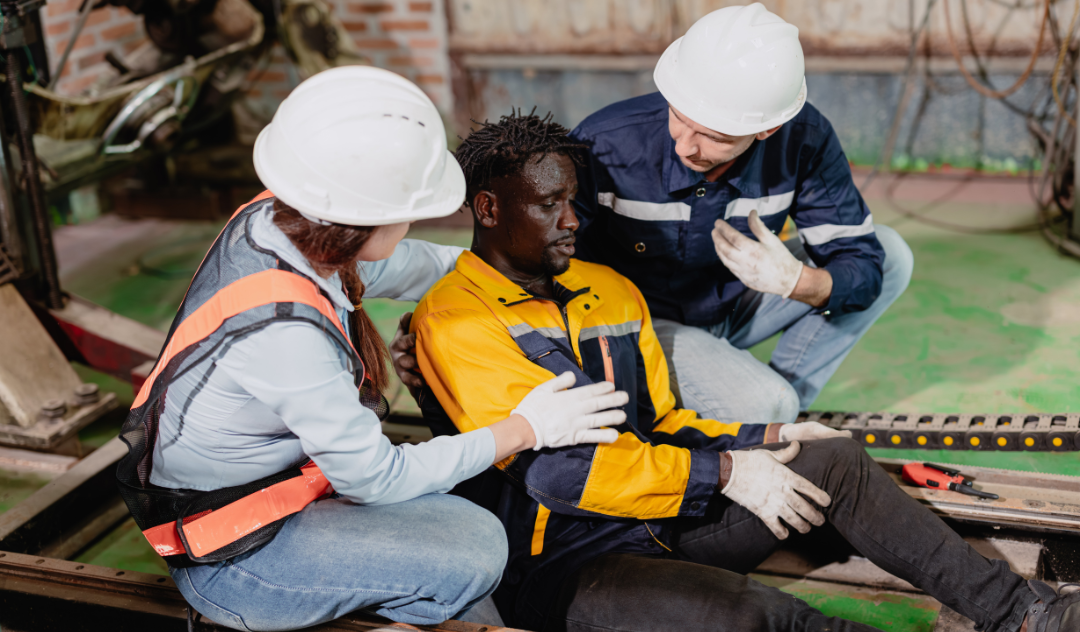
Image by zirconicusso on Freepik

This page has been written, edited, and reviewed by a team of legal writers following our comprehensive editorial guidelines. This page was approved by attorneys Steve Kherkher and Jesus Garcia Jr., who have more than 50 years of combined legal experience championing the rights of those who have experienced catastrophic injury due to negligence.
Connect with a Kherkher Garcia trial lawyer today to pursue maximum compensation for your injury.