
Call Us Today
Call Us Today
Steve Kherkher - December 18, 2023

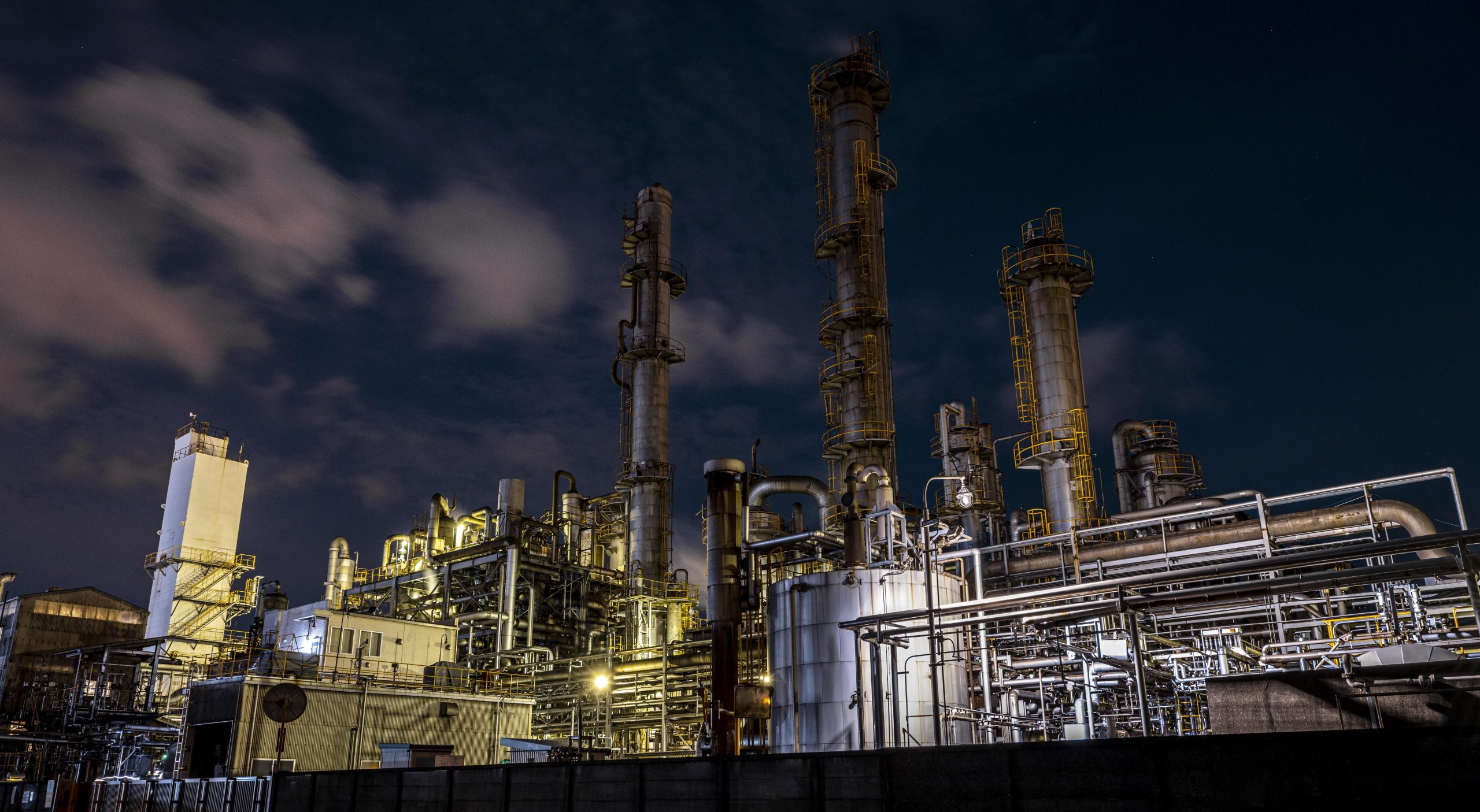
Texas is one of the most industrial-friendly states in the United States. There are hundreds of industrial facilities in Texas, ranging from product manufacturers to oil refineries to chemical plants. Unfortunately, not only does Texas lead the nation in terms of industrialization, it also leads in the way of industrial incidents.
Research from the Coalition to Prevent Chemical Disasters suggests that Texas has more industrial incidents than any other state. This data highlights the importance of understanding the environment near industrial facilities, as well as how communities can prepare, and respond to, and incident.
Below, the petrochemical injury lawyers at Kherkher Garcia provide some insight into the nature of Texas’ industrial environment, notable incidents raising concerns, and how communities can be prepared.
Texas, a major industrial hub in the U.S. has unfortunately witnessed 25 concerning incidents across various sectors in 2023. Here’s a summary of some of these notable occurrences:
During 2023, there have been many less-notable reports of smaller fires and leaks at various industrial facilities throughout the state, raising concerns about overall safety standards. These incidents underscore the importance of prioritizing safety regulations and procedures within Texas’s diverse industrial landscape.
Industrial incidents encompass a broader range of events that might not necessarily result in injury or damage, but have the potential to cause harm or disrupt operations. Some common factors that result in industrial incidents include:
Preventing these incidents often involves implementing strict safety protocols, providing adequate training for employees, conducting regular inspections, maintaining equipment, and following industry-specific regulations and standards. Prompt response and effective emergency preparedness plans are also crucial to mitigate the impact of these incidents if they occur.
Industrial incidents can have far-reaching consequences beyond the workplace, impacting nearby communities in various ways. Some of the most significant threats to communities near industrial facilities include:
Chemical spills, leaks, or explosions from industrial incidents can release hazardous substances into the air, water, or soil. This exposure can lead to acute or chronic health issues for nearby residents, including respiratory problems, skin irritations, and long-term health complications.
Chemical releases or spills can contaminate water sources, soil, and the air, affecting ecosystems, wildlife, and local vegetation. This contamination can have long-lasting effects on the environment, including soil infertility, water pollution, and disruption of local ecosystems.
In severe cases, industrial incidents may necessitate evacuations or shelter-in-place orders for nearby communities to protect residents from immediate harm. This displacement can disrupt daily life, cause stress, and lead to economic hardships for affected individuals and businesses.
Explosions, fires, or structural failures resulting from industrial incidents can cause damage to nearby properties, including homes, businesses, and infrastructure. This damage may lead to financial losses for individuals and communities.
Industrial incidents can disrupt local economies by interrupting business operations, causing job losses, and affecting industries that rely on the affected area for resources, manufacturing, or distribution.
Communities near industrial incidents may experience fear, anxiety, and stress due to concerns about their health, safety, and the long-term consequences of the incident. Fear of future incidents can also impact the mental well-being of residents.
Incidents can strain the relationship between the affected industry and the community, leading to a loss of trust. Lack of transparency, communication, or perceived negligence in preventing incidents may further erode community trust in industrial operations.
Efforts to mitigate the impact of industrial incidents on nearby communities involve effective communication, emergency response plans, community involvement in safety measures, regular risk assessments, and implementing stringent safety and environmental regulations to prevent accidents.
Living near a chemical plant means being prepared for potential emergencies like chemical spills, leaks, or explosions. A disaster supply kit specific can be helpful if disaster strikes. Here’s a list of items to include:
Remember to periodically check your disaster supply kit, replacing expired items and ensuring everything is in good condition.
If you are affected by an industrial incident, it’s essential to take certain steps to ensure your safety, health, and well-being. Here are some actions to consider:
Follow official instructions and information provided by local authorities, emergency services, and the industrial facility involved in the incident. Listen to radio broadcasts, TV updates, or use reliable sources on the internet for accurate information.
If you’re advised to shelter in place or evacuate, follow these instructions immediately. Close windows and doors, shut off HVAC systems, and seal gaps to prevent outside air from entering if there’s a risk of chemical exposure. Use personal protective equipment if available, such as masks, gloves, or goggles, to minimize exposure to hazardous substances.
If you or anyone around you experiences symptoms of illness or injury related to the incident, seek medical help immediately. Symptoms may include difficulty breathing, skin irritation, dizziness, nausea, or other unusual health issues.
Report any emergencies or incidents to local emergency services or authorities. Provide them with accurate information about your location and the nature of the problem.
If you suspect exposure to hazardous chemicals, follow decontamination procedures recommended by emergency responders or health authorities. Remove contaminated clothing, rinse skin thoroughly with water, and seek medical attention.
Keep records of any health issues or symptoms you or your family experience after the incident. Report these to healthcare professionals and authorities, as it might be essential for future health assessments or claims.
Keep records of any property damage, financial losses, or expenses incurred due to the incident. Documentation might be necessary for insurance claims or compensation purposes.
If you or someone in your family suffers injuries or illness due to an industrial incident, you may also find it helpful to contact a petrochemical injury lawyer. If the incident was caused by negligence, you may be eligible to pursue compensation for any damages you suffered from the incident. This may include medical expenses, property damages, loss of income, and more.
Your safety and health should be the priority during and after an industrial incident. Following official instructions and seeking appropriate assistance can help mitigate risks and ensure proper support in such situations.
If you are battling injuries or illness due to an industrial incident, the petrochemical injury lawyers at Kherkher Garcia want to help you. We can help you make sense of your situation and determine the best course of action. Our team has more than 30 years of experience helping injury victims explore their legal rights and options for recovery after traumatic injury events.
If you have questions about injuries or illness related to industrial incidents, contact us today for a free consultation. Our team can provide you with helpful information and support as you explore your rights and options. Call us at 713-333-1030, or fill out our online form to get started.
Image by Freepik

This page has been written, edited, and reviewed by a team of legal writers following our comprehensive editorial guidelines. This page was approved by attorneys Steve Kherkher and Jesus Garcia Jr., who have more than 50 years of combined legal experience championing the rights of those who have experienced catastrophic injury due to negligence.
Connect with a Kherkher Garcia trial lawyer today to pursue maximum compensation for your injury.



 Message Us
  Call Us