Call Us Today
Call Us Today
Steve Kherkher - May 15, 2023

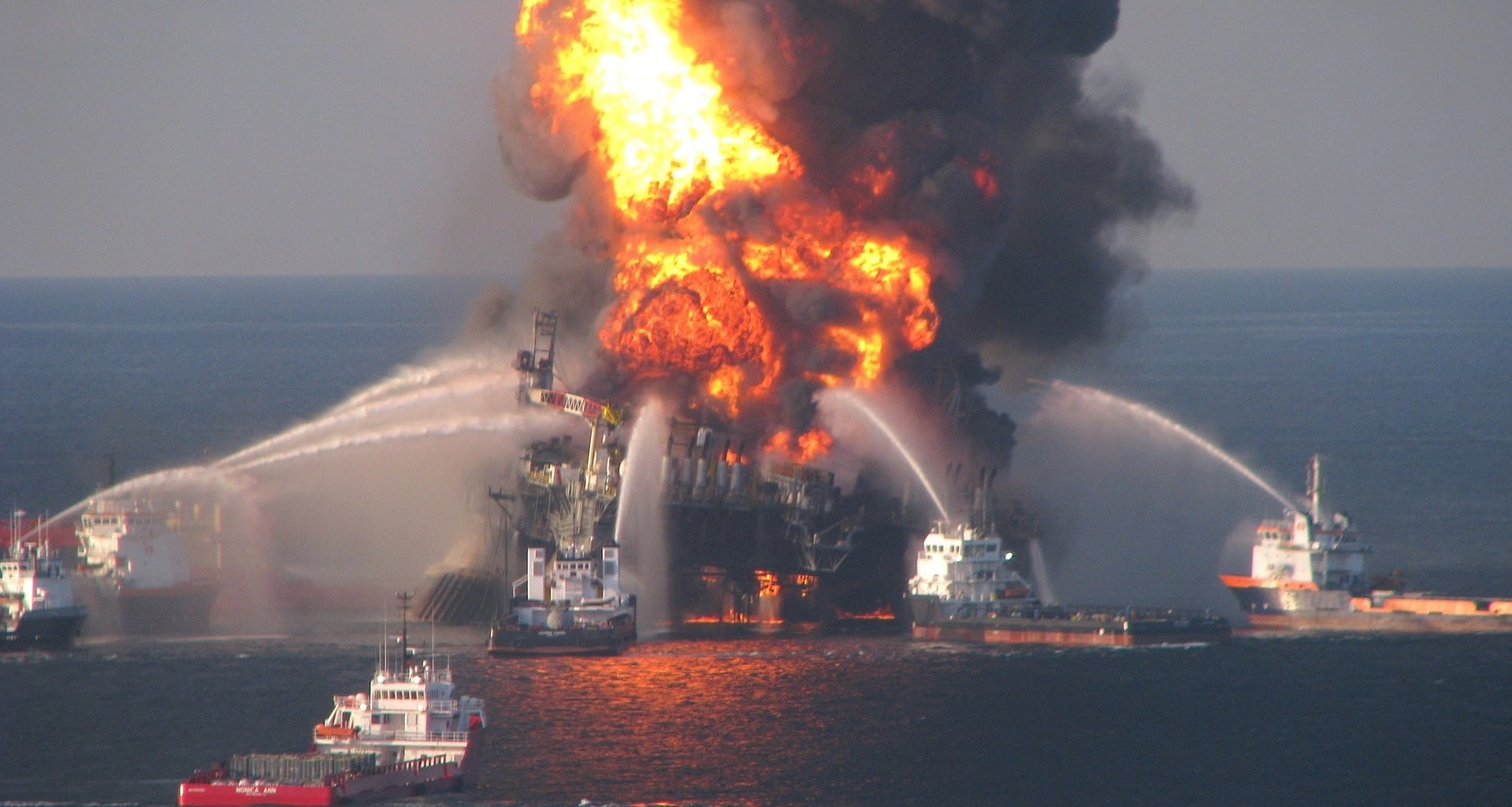
Maritime workers face many hazards in the course of their work. But there is, perhaps, no greater fear than fire breaking out onboard a ship, oil rig, barge, or other vessel. Shipboard fires are a nightmare for all involved, and can easily result in catastrophic property damage, injuries, deaths, and threats to the environment.
For maritime workers, it is crucial to understand the dangers of shipboard fires, know how to respond to a fire, and know how to get help after suffering a maritime injury. Below, the offshore injury lawyers at Kherkher Garcia, LLP provide a guide on what maritime workers need to know about shipboard fires.
Shipboard fires are common, though most are small and easy to extinguish. Sometimes, however, shipboard fires are significant and cause massive damage, injuries, and even loss of life. See below for some examples of ship fires.
In March 2019, the Grande America, a roll-on/roll-off cargo ship, caught fire in the Bay of Biscay. The fire was caused by an electrical fault and spread quickly due to the ship’s cargo of flammable materials. The fire eventually caused the ship to sink, resulting in the loss of all 27 crew members.
In 2013, a fire broke out in the engine room of the Carnival cruise ship, Triumph. The ship was around 150 miles off the coast of the Yucatan Peninsula on its way back to Galveston, Texas. The ship’s automated fire extinguishing system was able to put out the fire with no injuries reported. However, the damage done during the fire left the more than 4,000 people onboard stranded without adequate electricity, plumbing, or sanitation.
In January 2012, the Costa Concordia, a cruise ship, ran aground off the coast of Italy. The ship’s hull was damaged, and seawater began to leak into the engine room. This caused an electrical fire, which quickly spread throughout the ship. The fire and subsequent evacuation resulted in the deaths of 32 people.
In September 1980, the MV Derbyshire, a bulk carrier, sank in the North Sea during a storm. The cause of the sinking is unknown, but it is believed that a fire may have started in the engine room. The fire caused the ship to lose power and stability, and it eventually sank, resulting in the deaths of all 44 crew members.
These are just a few examples of the many shipboard fires that have occurred over the years. Ship fires can be very dangerous and can result in loss of life, property, and cargo. It is important for ship owners and operators to take steps to prevent fires, and for crew members to be trained in fire prevention and firefighting.
Fires onboard ships can have various causes, and identifying the most common ones can help in preventing such incidents. Here are some of the most common causes of shipboard fires:
It is important for ships to have robust fire prevention and safety systems in place, including regular inspections, training for crew members, and adherence to international safety regulations such as the International Convention for the Safety of Life at Sea (SOLAS).
Ship fires are so dangerous for a number of reasons, including:
In addition to these dangers, ship fires can also be very costly. The cost of repairing a ship that has been damaged by fire can be millions of dollars. Ship fires can also lead to the loss of cargo, which can also be very costly. Injuries and death due to a shipboard fire can also take a serious toll on those involved and their loved ones.
Preventing shipboard fires is crucial for the safety of the vessel, crew, and cargo. Here are some key measures and practices that can help prevent shipboard fires:
Establish a comprehensive fire safety management system onboard the ship. This includes developing and implementing fire safety policies, procedures, and training programs for the crew.
Conduct regular fire drills to ensure that the crew is familiar with their roles and responsibilities in the event of a fire. Provide thorough training on fire prevention, firefighting equipment usage, and evacuation procedures.
Install and maintain effective fire detection and suppression systems, including smoke detectors, fire alarms, automatic sprinkler systems, fire extinguishers, and fixed firefighting installations. Regularly test and inspect these systems to ensure they are in proper working condition.
Store flammable materials in designated areas that comply with safety regulations. Follow proper handling procedures and ensure that flammable materials are stored away from potential ignition sources.
Regularly inspect and maintain electrical systems to prevent electrical faults and short circuits. Ensure that electrical installations are done by qualified personnel and follow industry standards. Promote safe electrical practices, such as avoiding overloading electrical circuits and using explosion-proof equipment in hazardous areas.
Implement strict procedures for hot work activities, such as welding, cutting, and grinding. Ensure that proper permits are obtained, and fire watch personnel are present during and after hot work operations. Remove or protect nearby flammable materials to prevent sparks or flames from igniting them.
Conduct routine maintenance and inspections of machinery, equipment, and electrical systems to identify and rectify potential fire hazards. Address any identified issues promptly to minimize the risk of fire.
Foster a safety culture onboard the ship by promoting awareness, training, and accountability for fire safety among all crew members. Encourage reporting of potential hazards and near-miss incidents to proactively address fire risks.
By taking these steps, ship owners and operators can help to prevent ship fires and the resulting damage and loss of life.
Maritime workers who are injured in a shipboard fire are generally entitled to certain rights and protections. The specific rights and remedies available may vary depending on the employment status of the worker and the terms of their employment contract. However, here are some common rights and avenues of recourse for maritime workers injured in a fire:
Maritime workers should always consult with a maritime injury lawyer before attempting to file a claim. A lawyer can provide guidance on specific rights, legal options, and the best course of action to pursue compensation and other remedies.
If you work in the maritime industry, you know that there are inherent hazards to the business. Employers and ship owners are required, however, to do everything possible to maintain a safe work environment. When they fail to do so and a shipboard fire causes you injuries, you should explore your legal rights.
At Kherkher Garcia, we have helped numerous maritime workers get compensation for injuries related to fires and other onboard incidents or injuries. Maritime law can be complex, but our lawyers have decades of experience getting results for our clients. There is no case too complex for our team.
Learn more about your maritime rights by calling us at 713-333-1030, or by completing our website form. Our consultations are 100% free, so you have nothing to lose!

This page has been written, edited, and reviewed by a team of legal writers following our comprehensive editorial guidelines. This page was approved by attorneys Steve Kherkher and Jesus Garcia Jr., who have more than 50 years of combined legal experience championing the rights of those who have experienced catastrophic injury due to negligence.
Connect with a Kherkher Garcia trial lawyer today to pursue maximum compensation for your injury.