Call Us Today
Call Us Today
Steve Kherkher - April 3, 2023

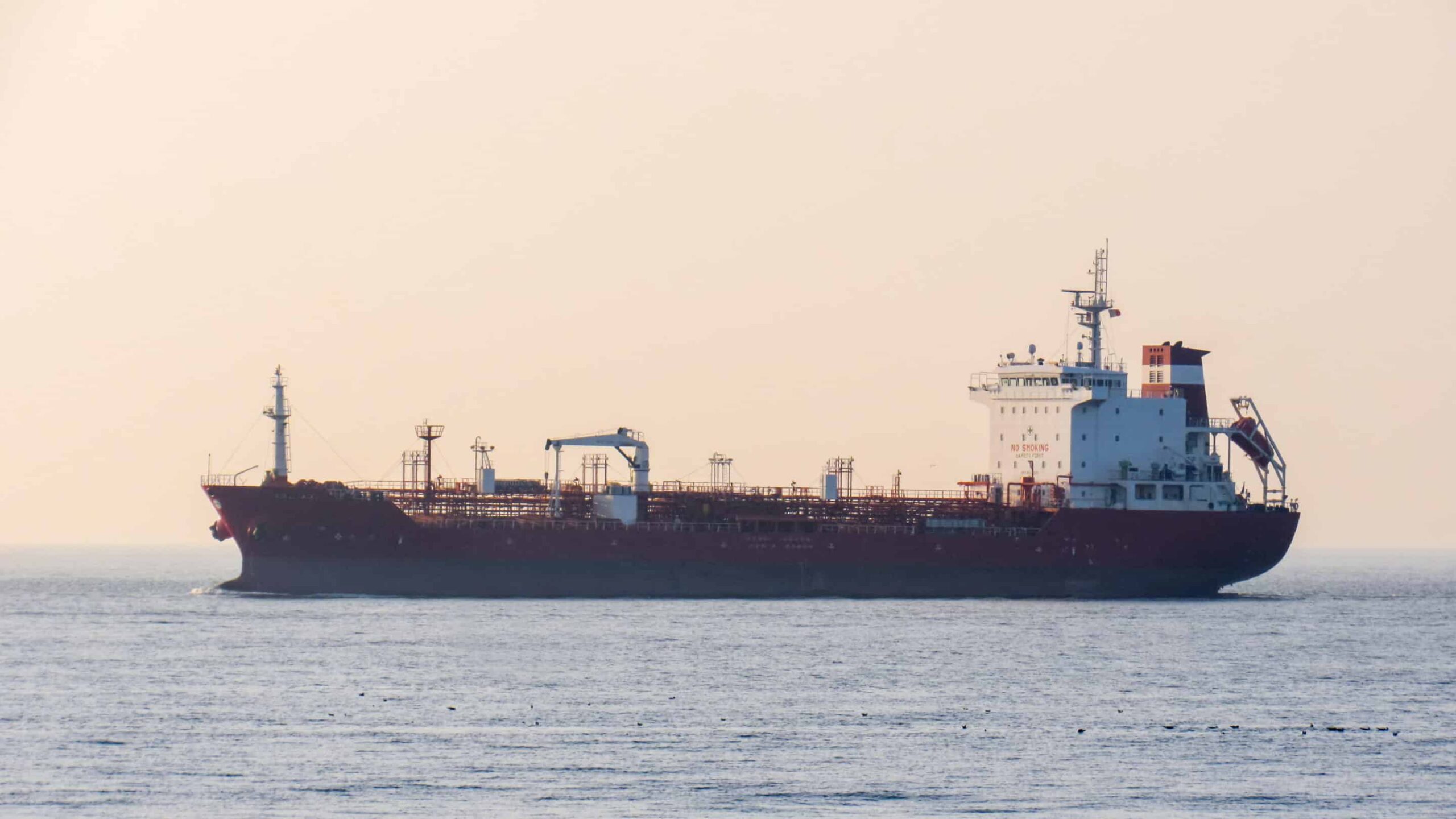
Tankers are merchant vessels that carry liquids or gasses in large quantities. Most often, these massive ships carry crude oil, petroleum, or liquefied natural gas in large quantities. If an oil tanker accident happens, the results are catastrophic. Oil tanker injuries are common when accidents occur either onboard the tanker, or during a collision or other accident.
At Kherkher Garcia, LLP, our oil and gas field injury lawyer has experienced just how devastating oil tanker accidents and injuries can be. We help workers injured on oil tankers understand their rights and the possible options they have for recovering compensation.
Below, we discuss oil tanker accidents and injuries, and what maritime workers should know if they are injured in an accident.
Oil tanker accidents occur for a variety of reasons. While fires and explosions are one of the most significant concerns, there are many possible accidents and incidents that can lead to injuries onboard an oil tanker. Some examples of the more common types of accidents include:
Oil tanker accidents can have a devastating impact on the environment and on human health. They can also lead to significant financial losses. It is important to take steps to prevent oil tanker accidents, and to respond quickly and effectively when they do occur.
When we think of tanker accidents, we tend to picture the most catastrophic accidents that make the news. But there are actually a lot of different scenarios that can lead to injuries onboard a tanker. The causes of oil tanker injuries vary depending on the type of accident and other related factors. Some of the more common factors that lead to oil tanker injuries, include:
It is important to note that preventing oil tanker injuries requires a comprehensive approach that involves identifying and addressing the underlying causes, implementing effective safety measures and protocols, and providing adequate training and resources to the crew.
Oil tanker injuries can be caused by various factors, like those listed above. These accidents can be a significant cause of injuries. In the worst cases, accidents can cause death to one, or even multiple, people onboard.
Some of the most common oil tanker injuries that maritime workers report include:
It is important to note that the risks associated with working on an oil tanker are high. Safety precautions and training are essential to prevent injuries and protect the crew’s health and well-being.
Maritime law, also known as Admiralty Law, is a set of state and federal laws that govern the maritime industry. For maritime workers, there are maritime laws that provide benefits and compensation if they are injured while in the course of their work in the maritime industry – onboard of vessel or at a port, dock, or shipyard. The following maritime laws are the most relevant to oil tanker accidents and injuries:
The Jones Act is a federal law providing regulations for industries operating in U.S. waters and ports. This law protects seamen who are injured while working in maritime industries. Workers who may qualify for benefits under The Jones Act include:
Maritime workers who are injured while on navigable waters while contributing to operation of a vessel may be eligible for benefits, such as:
The Longshore and Harbor Workers’ Compensation Act (LHWCA) is another federal law that provides benefits for certain maritime workers. The LHWCA applies to longshoremen, shipyard workers, harbor workers and other non-seamen workers. Workers who qualify for benefits can receive temporary supplemental income, medical expense coverage, and loss of earning capacity. If the worker dies, the LHWCA also provides survivor’s benefits for their family.
If a seaman die while working on a ship deemed unseaworthy, or if negligence was involved in their death, the Death on the High Seas Act (DOHSA) may provide benefits for the surviving family. Under the DOHSA, families can file a lawsuit against parties whose negligence caused the death. Compensation under DOHSA claims include:
Working in the maritime industry has inherent risks and hazards. There are things that maritime employers and employees can do to prevent accidents and injuries. Some of the best safety and prevention tips include the following:
If an oil tanker accident does occur, it is important to respond quickly and effectively. This is important not only for the safety of those involved, but also in order to protect your legal rights. Here are some tips for responding to an oil tanker accident:
The maritime industry is one of the most dangerous in the world. For injury victims, understanding their rights and options for compensation can be complicated or overwhelming. That’s why Kherkher Garcia is here. With more than 30 years of experience helping injury victims, we know how to help you and your family protect your rights and get the benefits that you deserve.
Before speaking with an insurance company or signing a statement for your employer, contact our maritime lawyers to discuss your case. Maritime law is highly specialized, and to maximize your benefits and/or compensation, you need to know all your options. Kherkher Garcia can help.
Find out more by calling us at 713-333-1030 for a free consultation, or complete our online form.

This page has been written, edited, and reviewed by a team of legal writers following our comprehensive editorial guidelines. This page was approved by attorneys Steve Kherkher and Jesus Garcia Jr., who have more than 50 years of combined legal experience championing the rights of those who have experienced catastrophic injury due to negligence.
Connect with a Kherkher Garcia trial lawyer today to pursue maximum compensation for your injury.