Call Us Today
Call Us Today
Steve Kherkher - June 13, 2026
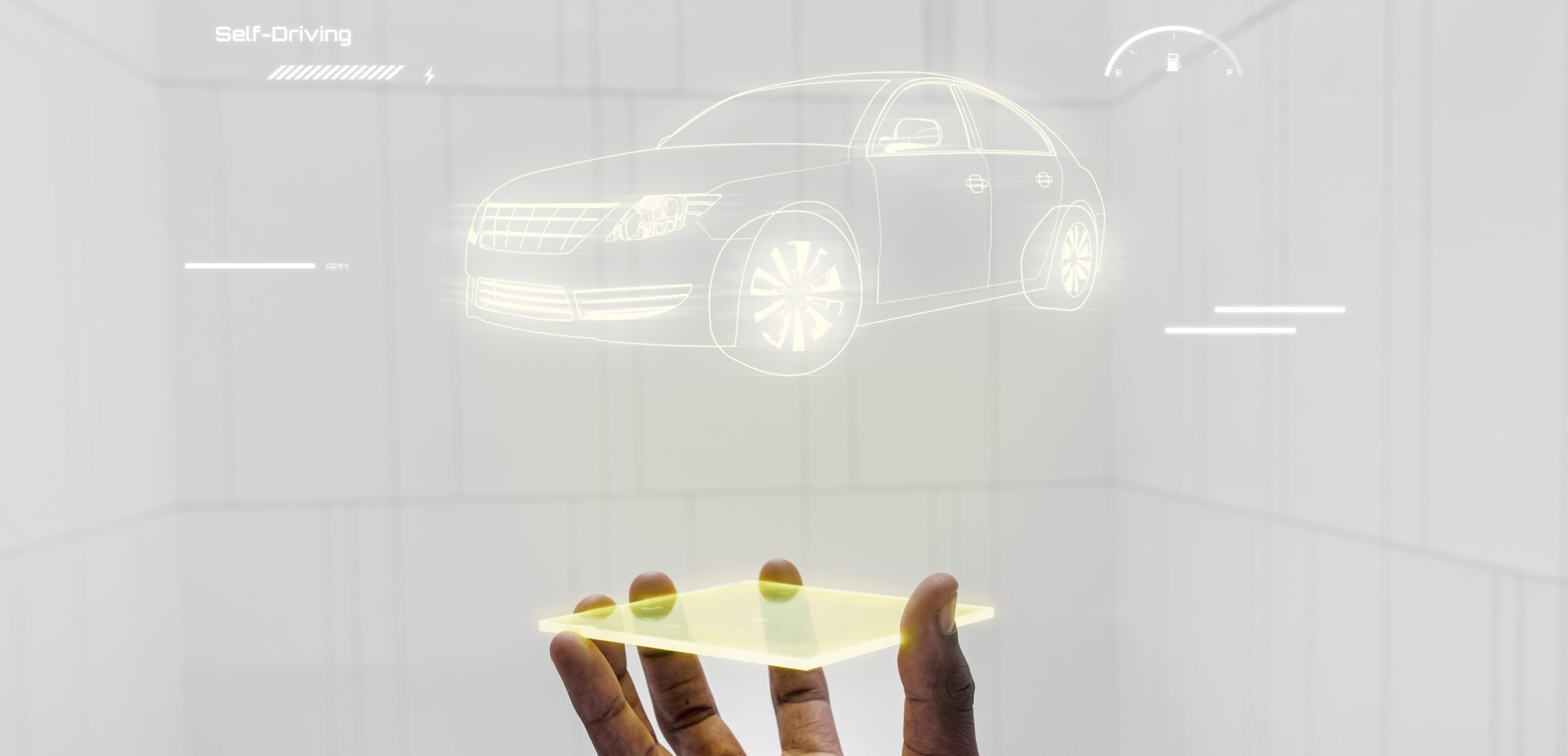
Tesla’s Autopilot technology has transformed the way many people think about driving. Autopilot is marketed as an advanced driver-assistance system that assists with steering, acceleration, braking, and other functions.
However, as Tesla vehicles have become more common, so have reports of crashes involving defective driving technologies. These incidents have raised important questions about vehicle safety, driver responsibility, manufacturer accountability, and the rights of those injured in Tesla Autopilot crashes.
At Kherkher Garcia, we closely follow developments involving autonomous and semi-autonomous vehicle technology. Our self-driving auto accident attorneys advocate for consumers who have been injured by defective and dangerous automotive technologies.
Clients and peers routinely ask our attorneys about how evolving technologies will impact auto accident claims. Below, we provide answers to some of the most common questions we receive about Tesla Autopilot crashes and claims.
Tesla Autopilot is an advanced driver-assistance system (ADAS) that assists with steering, braking, acceleration, lane positioning, and adaptive cruise control. Autopilot is not fully autonomous. Drivers must still remain attentive and ready to take control at all times.
No. Tesla Autopilot is not a fully autonomous driving system. Neither is Tesla’s Full Self-Driving (FSD) software. Both technologies require active driver supervision and do not eliminate the driver’s responsibility.
Tesla Autopilot crashes are auto accidents that occur while Autopilot or related technologies are engaged. Most often, there is a connection between the technology and the collision.
Reported incidents involving Tesla Autopilot include:
Every incident involves unique facts and circumstances, but may types of crashes involve autonomous technologies.
Not always. Every crash must be evaluated individually. Some accidents may involve driver error, software issues, vehicle defects, roadway conditions, or a combination of things.
There are questions about whether driver-assistance systems may fail to properly detect or respond to certain roadway hazards under specific conditions. Determining whether a system malfunction occurred requires a thorough investigation.
Investigations into auto accidents involving Tesla Autopilot technology may involve:
Evidence is a key component of any personal injury claim. In Tesla Autopilot crashes, important evidence may include:
Preserving evidence early, and completely, can be important in complex vehicle technology cases.
Potentially. Depending on the facts, injured individuals may qualify to file claims related to negligence, defective design, manufacturing defects, or inadequate warnings.
Yes. Passengers injured in an auto accident may have legal rights regardless of whether the driver was using Autopilot.
Anyone injured in collisions involving Tesla vehicles may have legal options. The extent of their options depends on the circumstances and evidence uncovered during an investigation.
A product liability claim generally alleges that a product was defectively designed, manufactured, or marketed. In Tesla Autopilot crashes and claims, product liability issues may arise if evidence suggests that a vehicle system failed to perform safely as intended.
In some situations, surviving family members may have the right to pursue a wrongful death claim. The ability to file such claims depends on the facts of the incident and applicable law.
Depending on the circumstances, damages available in a Tesla Autopilot claim may include:
Deadlines vary by state and by the type of claim. In Texas, most personal injury claims must be filed within two years from the date of the injury.
Cases involving complex technical evidence, software systems, vehicle data, and emerging product liability issues make these cases different. Investigating these incidents frequently requires collaboration between attorneys, accident reconstruction experts, and technology specialists.
Vehicle-generated data may provide information regarding speed, braking, steering inputs, and driver interactions. In some cases, it may show whether driver-assistance features were engaged before the crash occurred.
As advanced driver-assistance technologies become more common, regulators, manufacturers, consumers, and safety advocates are increasingly focused on understanding how these systems perform in real-world conditions. These are hot topics for determining whether additional safeguards may be necessary.
Vehicle technology is evolving rapidly. The responsibility to design, manufacture, market, and maintain safe products remains unchanged.
At Kherkher Garcia, we have extensive experience handling complex product liability, catastrophic injury, and wrongful death cases involving large corporations. Our Houston Autopilot injury attorneys understand that modern vehicle crash investigations may involve far more than traditional reconstruction.
Kherkher Garcia will continue advocating for individuals and families affected by dangerous products and defective technologies. Our firm is committed to helping injured consumers and families pursue answers defective vehicle technology contributes to a serious crash.
If you or a loved one has been injured in an accident involving Tesla Autopilot or other advanced driver-assistance technology, Kherkher Garcia is available to help you understand your rights and legal options. Contact our team for a free consultation. Call us at 713-333-1030, or submit our online contact form to get started.
Image by rawpixel.com on Freepik

This page has been written, edited, and reviewed by a team of legal writers following our comprehensive editorial guidelines. This page was approved by attorneys Steve Kherkher and Jesus Garcia Jr., who have more than 50 years of combined legal experience championing the rights of those who have experienced catastrophic injury due to negligence.
Connect with a Kherkher Garcia trial lawyer today to pursue maximum compensation for your injury.