Call Us Today
Call Us Today
Steve Kherkher - January 16, 2026


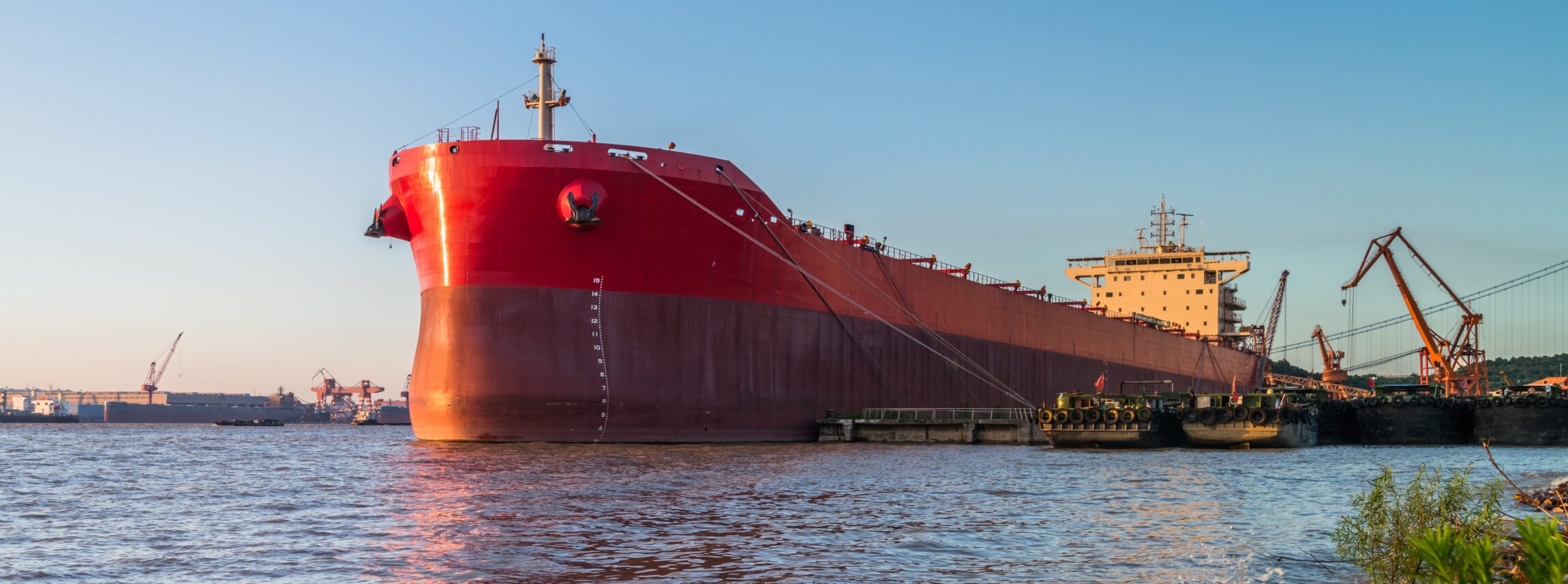
A dangerous engine room fire aboard a commercial cargo vessel docked at the Port of Wilmington has left four crewmembers injured. It has also renewed urgent questions about safety conditions aboard working ships. The incident, involving the Chiquita Voyager, marks the second shipboard fire at a U.S. port in less than a week, underscoring how quickly routine maritime operations can turn into life-threatening emergencies.
According to officials, the fire broke out in the vessel’s engine room after a generator ignited, producing heavy smoke and requiring an extensive emergency response. While the ship’s onboard suppression system helped contain the blaze, dozens of firefighters were needed to fully control the situation. For the injured crewmembers and for maritime workers across the industry, this incident highlights the ongoing risks of engine room fires.
It also highlights the importance of knowing one’s legal rights after a workplace injury at sea. For questions about maritime injuries and your rights, the Houston maritime injury lawyers at Kherkher Garcia are here to help.
The Chiquita Voyager, a 2,700-TEU boxship owned by United Reefer Services, was docked at Wilmington’s fruit-import terminal when the emergency unfolded on Wednesday morning. Shortly after 9:30 a.m., the vessel reported an engine room fire that quickly intensified.
Fire officials stated that the blaze originated in a generator and escalated rapidly, producing visible smoke from the ship’s superstructure. The vessel’s master activated the onboard CO₂ fire suppression system and immediately called for shore-based assistance.
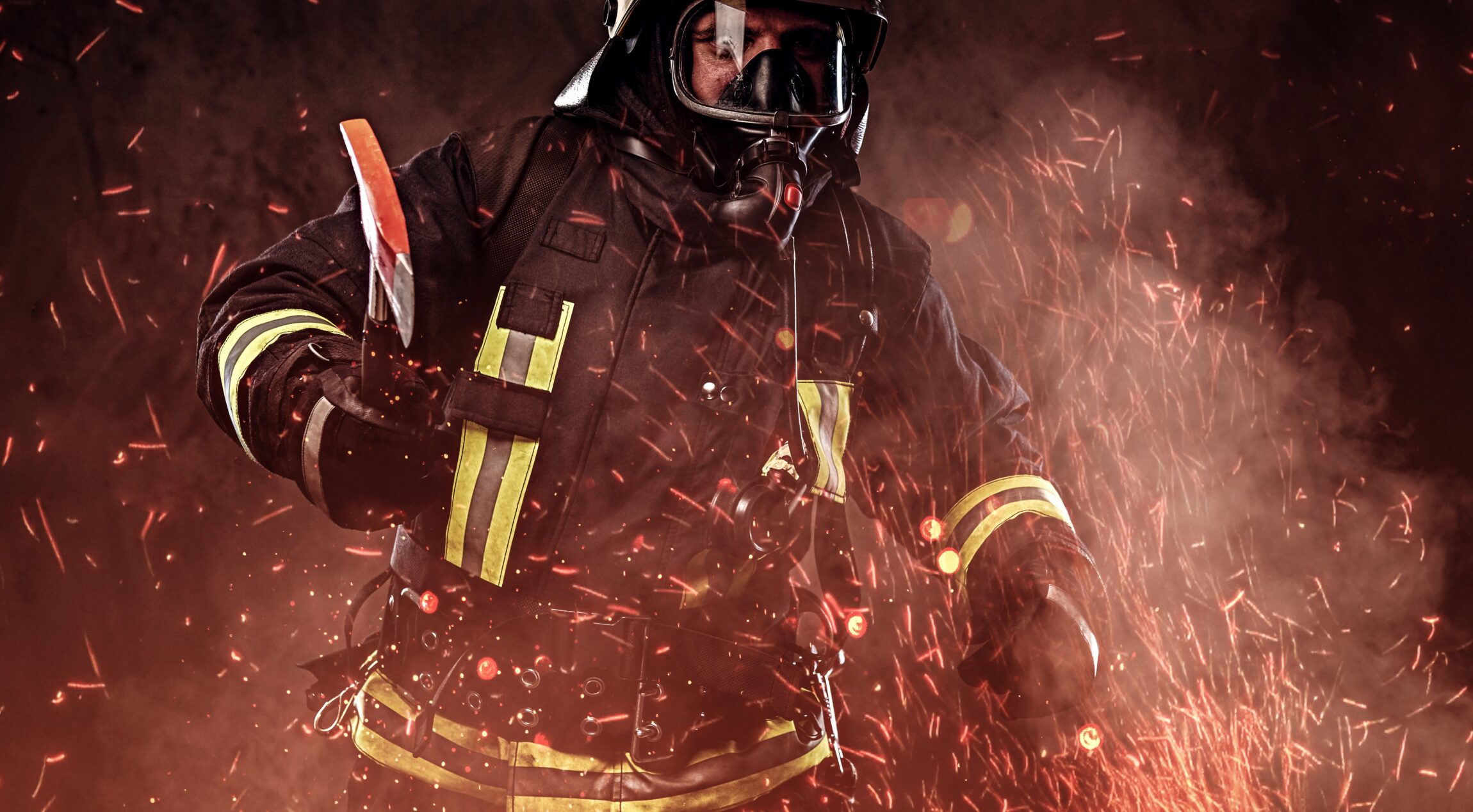
Approximately 70 firefighters boarded the ship, working alongside the crew to suppress the fire, evacuate affected areas, ventilate compartments, and cool surrounding equipment. The CO₂ system helped keep the fire contained within the engine room, but it still took roughly three hours to bring the incident under control. Fire crews remained on scene throughout the afternoon to monitor for flare-ups.
Four crewmembers were injured and transported to a nearby hospital. As of now, authorities have not released details regarding the severity of their injuries.
Maritime engine room fires are among the most hazardous incidents that can occur aboard a vessel. These confined spaces house generators, fuel lines, electrical systems, lubricants, and high-temperature machinery. This all creates ideal conditions for fast-spreading fires and explosions.
Common causes of engine room fires include:
Once a fire starts, thick smoke, extreme heat, and limited escape routes put crew members at immediate risk of burns, smoke inhalation, and oxygen deprivation. Even when suppression systems function as designed, crew members may still be injured during evacuation or firefighting efforts.
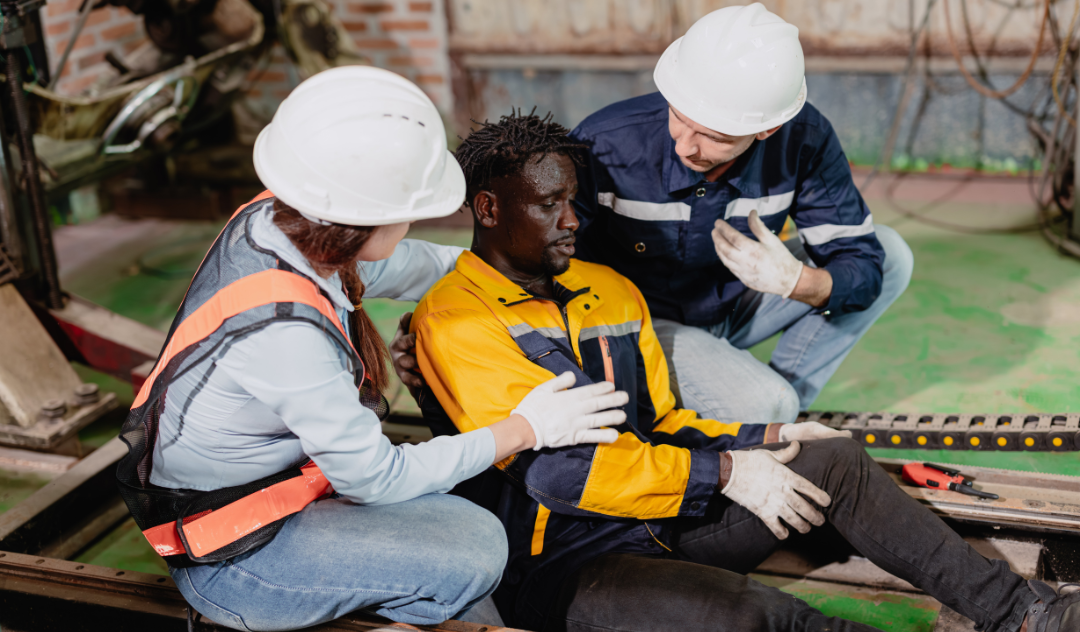
Crewmembers injured in engine room fires often suffer serious, sometimes permanent harm. These injuries may not always be immediately visible and can worsen over time. Common injuries include:
When a fire occurs while a ship is docked, additional hazards arise as shore-based firefighters enter confined maritime spaces, increasing the complexity and danger of rescue operations.
Unlike land-based workers, maritime employees are protected under a unique body of federal law. Injured crewmembers may have rights under the Jones Act, general maritime law, or other legal doctrines depending on their role and the circumstances of the incident.
Key maritime worker protections may include:
Importantly, maritime employers have a legal duty to provide a seaworthy vessel and a reasonably safe place to work. Generator failures, poor maintenance, or inadequate fire prevention measures may constitute violations of that duty.
Some workers assume that if a shipboard fire happens while docked, maritime law no longer applies. But that is not true. Crew members injured aboard a vessel, even while alongside a port, are often still protected under maritime law.
If negligence by the vessel owner, operator, or equipment manufacturer played a role, injured workers may have powerful legal claims. Early investigation is critical, as evidence such as maintenance records, generator data, and fire suppression logs can disappear quickly after an incident.
After a shipboard fire or engine room incident, injured crewmembers should take steps to protect both their health and their legal rights. Some good practices following an injury include:
Employers and insurers may act quickly to limit liability. Having legal representation early can help ensure workers receive the full benefits and compensation they are entitled to under the law.
Kherkher Garcia has extensive experience representing workers injured in maritime fires, engine room incidents, and other industrial accidents. Our team understands the complexities of maritime law and the realities of seafarers working aboard commercial vessels.
Our team works to:
When safety failures lead to serious injury, Kherkher Garcia fights to ensure maritime workers are not left bearing the consequences alone.
Engine room fires are commonly caused by fuel leaks, generator malfunctions, electrical failures, or poor maintenance practices. Sadly, human error contributes to many such fires.
No. Maritime workers are typically covered under maritime law, not traditional workers’ compensation systems.
Yes, if employer negligence or unseaworthy conditions contributed to the fire, you may have a claim under the Jones Act or general maritime law.
Maintenance and cure is a maritime benefit that requires employers to pay for medical treatment and basic living expenses until a worker reaches maximum medical improvement.
Strict deadlines apply, and they vary depending on the claim type. Speaking with a maritime attorney as soon as possible is critical.
Yes, the maritime industry is risky. But shipboard fires are not “part of the job”. In fact, they are often the result of preventable safety failures. If you or a loved one was injured in a maritime engine room fire or other vessel incident, Kherkher Garcia is ready to help.
Our firm stands with injured maritime workers nationwide, fighting for accountability, fair compensation, and safer working conditions at sea. Contact us today to learn how your rights can be protected after a serious maritime accident. For a free consultation, call us at 713-333-1030. You can also reach out to us online.
Image by Freepik

This page has been written, edited, and reviewed by a team of legal writers following our comprehensive editorial guidelines. This page was approved by attorneys Steve Kherkher and Jesus Garcia Jr., who have more than 50 years of combined legal experience championing the rights of those who have experienced catastrophic injury due to negligence.
Connect with a Kherkher Garcia trial lawyer today to pursue maximum compensation for your injury.