Call Us Today
Call Us Today
Steve Kherkher - April 21, 2025

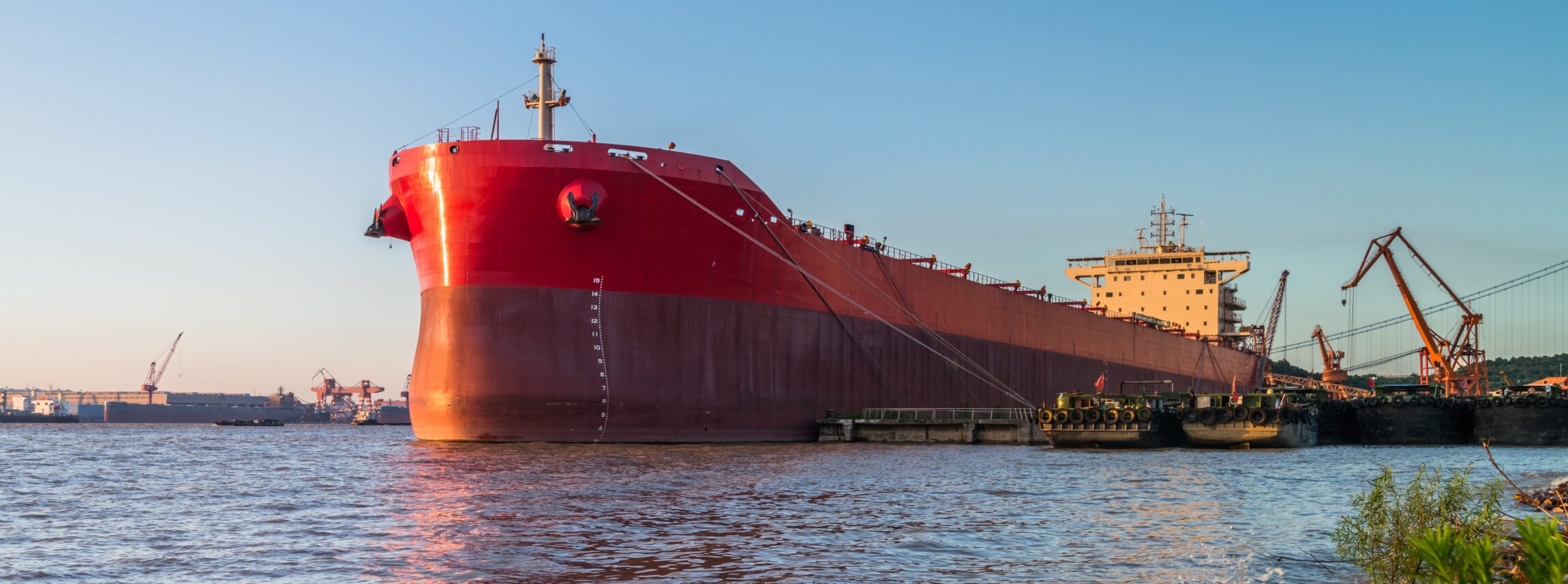
In the wake of a deadly vessel fire in July 2023 that claimed the lives of two firefighters and caused millions of dollars in damages, the National Transportation Safety Board (NTSB) has issued a comprehensive report calling for sweeping changes to maritime fire safety protocols. The incident, which occurred aboard the roll-on/roll-off container ship Grande Costa D’Avorio at Port Newark, exposed systemic failures in fire control equipment, emergency response procedures, and inter-agency coordination.
The report is a sobering reminder of the inherent dangers of maritime operations. It also highlights the urgent need for stronger safety controls at ports across the United States. Furthermore, it lays the groundwork for increased regulatory oversight, improved training requirements, and design changes intended to protect crew members, firefighters, and shore-based personnel in the event of a shipboard fire.
Kherkher Garcia’s Offshore injury lawyers in Houston are closely monitoring these developments, particularly as they relate to the legal rights of victims and their families. If you or someone you love has been harmed in a maritime fire or industrial incident, understanding the findings of this report can help you determine whether safety violations played a role in the tragedy – and whether legal action may be appropriate.
On July 5, 2023, a fire broke out aboard the Grande Costa D’Avorio, a roll-on/roll-off (RoRo) container ship docked at Port Newark in New Jersey. The fire was traced back to a modified passenger vehicle that was being used as a “pusher” to help load and move cargo within the ship’s deck. During operations, transmission fluid from the vehicle overheated and ignited, starting a blaze that quickly spread.
The NTSB’s investigation found that the use of a standard passenger vehicle for industrial purposes was not only inappropriate, but also in direct violation of Occupational Safety and Health Administration (OSHA) regulations for powered industrial trucks. In other words, this was a preventable incident rooted in poor equipment choices and disregard for safety standards.
As the fire spread through the ship’s interior, it encountered multiple structural and procedural barriers that compounded the danger. Most notably, the ship’s deck 12 hydraulic garage door lacked external operating controls. This prevented the crew from sealing off the fire zone – a key step in activating the vessel’s carbon dioxide (CO2) fire suppression system effectively.
When the fire broke out, the Newark Fire Division responded quickly. However, the NTSB found serious deficiencies in the department’s marine firefighting preparedness. Despite the CO2 suppression system being activated, firefighters were ordered into the affected areas – a move that directly violated standard shipboard firefighting protocols.
Inside the smoke-filled compartments, two firefighters became disoriented and ultimately perished. The NTSB concluded that a lack of specialized training and poor coordination between port authorities and local fire departments contributed to the tragedy. The deaths of these firefighters underscore the dangers posed not only by the maritime fire itself but also by systemic failures in communication, safety training, and emergency planning.
In response to its findings, the NTSB issued a series of urgent recommendations aimed at addressing these critical failures and preventing similar shipboard fires in the future. These recommendations span multiple agencies and stakeholders:
The Coast Guard has been asked to propose changes to international maritime safety regulations, particularly those related to fire boundary control systems aboard RoRo and similar vessels. These changes could influence ship design standards worldwide and mandate improvements to fire suppression and compartmentalization capabilities.
OSHA is being urged to step up enforcement of powered industrial truck standards at marine terminals. This includes holding port operators accountable for using unsafe or non-compliant vehicles for loading and cargo operations.
Port operators such as Ports America and American Maritime Services must now develop comprehensive emergency response procedures. This includes clear evacuation protocols, coordination with emergency services, and mandatory safety training for all shoreside personnel involved in vessel operations.
The NTSB strongly emphasized the need for enhanced collaboration between port authorities and fire departments. This includes implementing vessel familiarization programs, conducting joint emergency response drills, and ensuring that fire departments have access to the equipment and training needed for marine firefighting.
Grimaldi Deep Sea, the owner of the Grande Costa D’Avorio, has been directed to conduct a fleet-wide review of fire boundary control systems. Any vessel lacking effective external fire control access points or automated containment systems must be upgraded to meet current safety expectations.
When regulatory bodies like the NTSB highlight safety failures, the legal ramifications can be profound. Maritime operators, port authorities, and third-party contractors all have a legal duty to protect workers, first responders, and the public from foreseeable hazards. When they fail in that duty, victims and their families may be entitled to seek compensation.
Potential legal claims stemming from incidents like the Grande Costa D’Avorio fire may include:
At Kherkher Garcia, we work with victims and families to hold negligent parties accountable and secure the financial resources needed for recovery. Our maritime injury attorneys understand the unique challenges of shipboard accidents and fire-related incidents, and we are prepared to investigate every angle of your case.
Fighting fires aboard ships is vastly different from traditional structural firefighting. Confined spaces, flammable cargo, limited escape routes, and complex ventilation systems make vessel fires extremely hazardous. When CO2 suppression systems are activated, they displace oxygen in enclosed compartments – making those areas lethal for anyone who enters without proper precautions.
These dangers make it imperative that all responders are thoroughly trained in marine firefighting protocols. Vessel crews must also be equipped with reliable fire detection, containment, and suppression systems. When any link in this safety chain fails, the consequences can be catastrophic.
The NTSB’s report makes one thing clear: reactive responses are not enough. Ports and municipalities must work together before a disaster occurs to develop coordinated safety strategies. This includes:
As the NTSB noted in its report,
“When ports work with local municipalities in advance to coordinate vessel firefighting response preparedness and training, safety is improved and better outcomes are achieved.”
The Port Newark fire is a stark example of how avoidable mistakes can lead to irreversible loss. But it is also an opportunity for reform. If the NTSB’s recommendations are implemented swiftly and thoroughly, ports across the country can become safer places for workers, first responders, and surrounding communities.
Kherkher Garcia stands with the families of the fallen firefighters and with all maritime workers who risk their lives daily. We are committed to advocating for stronger safety regulations, better training, and full accountability when those in power fail to protect those who serve.
If you or a loved one has been injured in a maritime fire or industrial incident, don’t wait. Contact Kherkher Garcia today for a free consultation. We will help you understand your legal rights and fight to hold negligent parties accountable.
For more than 30 years, our attorneys have been helping injury victims obtain justice and compensation. We know what it takes to fight corporations and insurance companies. We have recovered billions of dollars on behalf of our clients.
Find out how we can help you by calling us at 713-333-1030. You can also request more information or a consultation by completing our online contact form.
Image by nuraghies on Freepik

This page has been written, edited, and reviewed by a team of legal writers following our comprehensive editorial guidelines. This page was approved by attorneys Steve Kherkher and Jesus Garcia Jr., who have more than 50 years of combined legal experience championing the rights of those who have experienced catastrophic injury due to negligence.
Connect with a Kherkher Garcia trial lawyer today to pursue maximum compensation for your injury.