Call Us Today
Call Us Today
Steve Kherkher - May 30, 2023

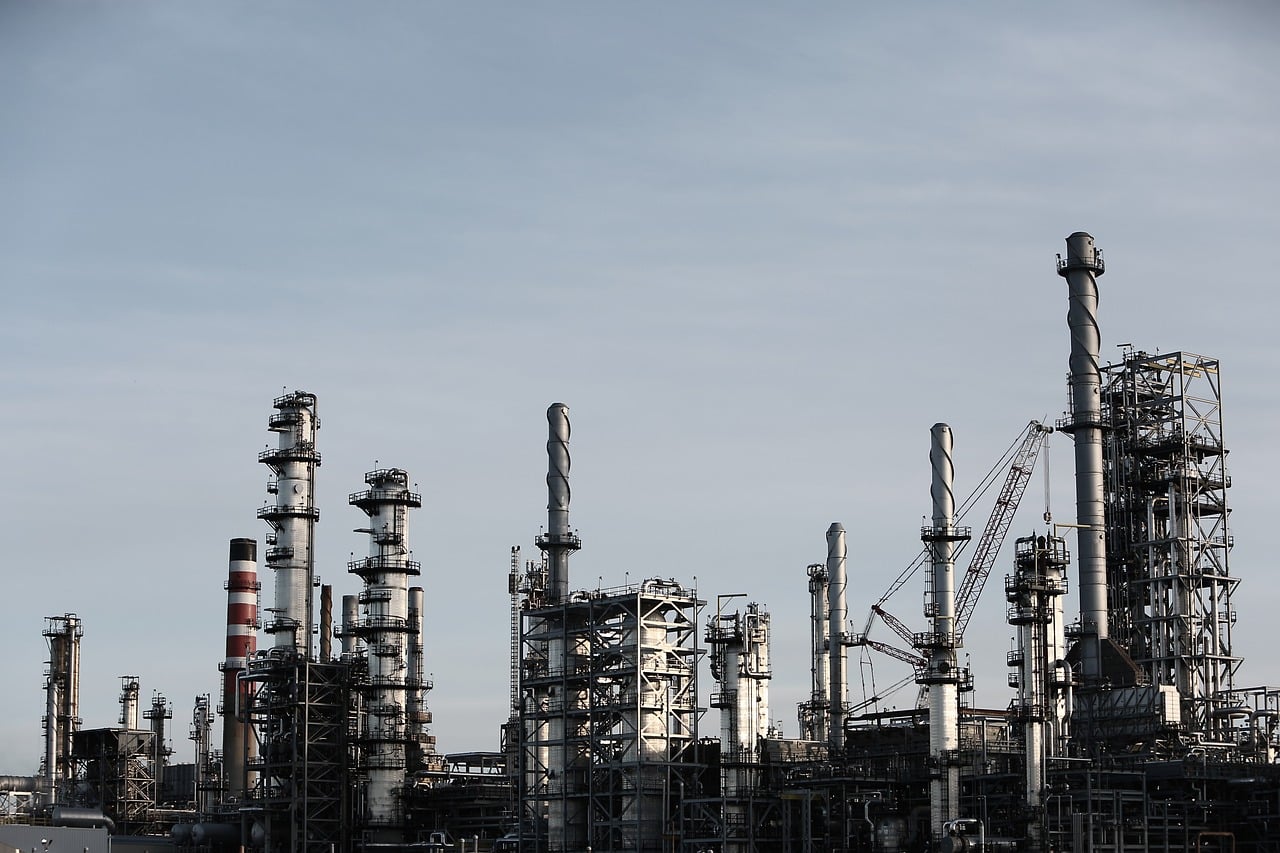
Communities across Oklahoma are battling grief after an explosion at the Wynnewood Refinery left two people injured. Reports indicated an explosion and then a fire broke out in part of the facility. Two men were taken to the hospital where one, unfortunately, later died from his injuries. The other remains in the hospital.
The investigation into what caused the Wynnewood Refinery explosion could take months. Tragedies like this one serve as a harsh reminder of the dangers of working in the oil and gas industry. Refinery explosions can cause massive damage resulting in numerous injuries and loss of life.
At Kherkher Garcia, LLP, our oil and gas field injury lawyers know well how devastating refinery explosions can be. We have worked with many clients who have been injured in explosions or resulting fires. Our mission is to help these workers and their families obtain compensation for their injuries and related losses. Often, refinery explosions and fires are preventable, and we believe that those injured deserve justice.
The Wynnewood Refinery is a small oil and gasoline refinery located in south-central Oklahoma. Despite being a relatively small refinery compared to some of the massive refineries in the Gulf Coast states, workers in Wynnewood face many of the same hazards.
Oil and gas refining, like any industrial process, has certain dangers and associated risks. Here are some potential dangers:
Gasoline is highly flammable and volatile. During the refining process, there is a risk of fires and explosions if proper safety measures are not in place. Accidental ignition of gasoline vapors can lead to catastrophic incidents.
Refinery workers may face occupational hazards such as exposure to toxic fumes, chemical burns, physical injuries, and noise pollution. Prolonged exposure to certain chemicals or unsafe working conditions can lead to chronic health problems, including respiratory issues, skin disorders, or increased risk of certain cancers.
Refining involves the use of various chemicals and solvents, including corrosive acids, caustic substances, and toxic compounds. Exposure to these chemicals can result in burns, skin irritation, respiratory problems, or long-term health effects if safety precautions are not followed.
Refineries can release pollutants into the environment. If not properly controlled, emissions from refining processes can contribute to air pollution, including the release of greenhouse gases, volatile organic compounds (VOCs), and hazardous air pollutants (HAPs). Accidental spills or leaks of gasoline or other petroleum products can also lead to soil and water contamination, harming ecosystems and wildlife.
Transporting large quantities of gasoline and other petroleum products via pipelines, tankers, or trucks involves its own set of risks. Accidents during transportation, such as spills, leaks, or collisions, can result in fires, explosions, and environmental damage, as well as pose risks to human life and property.
Refinery operations are complex, involving numerous mechanical systems and equipment. Equipment failures, process upsets, or human errors can lead to unplanned shutdowns, release of hazardous substances, or other accidents that jeopardize safety and disrupt operations.
There are many causes of oil and gas refinery explosions. Some causes seem to be more common than others, however, such as human error or poor safety features. At Kherkher Garcia, we have noted the following causes to be among the most common:
It is important to note that these are just some of the most common causes of oil and gas refinery explosions. There are many other factors that can contribute to an explosion, and it is often difficult to determine the exact cause. Investigations to find the cause of an explosion often take months or sometimes years to complete.
Explosions can cause a wide range of injuries, depending on the nature and intensity of the explosion, as well as the proximity of individuals to the blast. Here are some common injuries caused by explosions:
The primary cause of injuries in an explosion is the blast wave. It is a wave of high-pressure air that spreads rapidly from the site of the explosion. Blast injuries can result from the direct impact of the blast wave on the body or through indirect mechanisms such as being thrown against objects or collapsing structures. Blast injuries can include:
Explosions generate intense heat and flames, leading to thermal injuries. These injuries can result in burns of varying degrees, including first-degree, second-degree, or third-degree burns. Burns can affect the skin, underlying tissues, and respiratory system if hot gases or smoke are inhaled.
Shrapnel refers to fragments or pieces of objects that are propelled by the explosion. Injuries due to shrapnel can include penetrating wounds, deep lacerations, fractures, and internal organ damage.
Explosions can cause TBIs due to the forceful impact on the head or when individuals are thrown against hard surfaces. TBIs can range from mild concussions to severe brain injuries, potentially leading to long-term cognitive, physical, or psychological impairments.
The intense pressure generated by explosions can cause severe damage to the ears, resulting in hearing loss or permanent deafness. Additionally, the bright flash of light during explosions can cause temporary or permanent vision loss or eye injuries.
Experiencing or witnessing an explosion can lead to psychological trauma, including post-traumatic stress disorder (PTSD), anxiety, depression, or other mental health conditions.
The severity and type of injuries that occur during an explosion can vary depending on factors such as proximity, protective barriers, and individual circumstances. Prompt medical attention and appropriate trauma care are crucial for treating blast injuries and minimizing long-term complications.
Explosions often result in fires, and both events can be catastrophic. Injuries due to a fire can vary from those caused by an explosion. There are many different types of fire injuries, but some of the most common include:
The most tragic element of incidents like the Wynnewood explosion is the fact that most similar incidents are preventable. Preventing refinery explosions and fires requires a comprehensive approach that involves various safety measures and protocols. When implemented and managed effectively, these measures and protocols can be very effective at preventing incidents, injuries, and loss of life.
Here are some key strategies that oil and gas refinery leadership can implement to prevent such incidents:
Refineries should adhere to stringent safety standards, regulations, and guidelines set forth by government agencies and industry organizations. These standards cover various aspects such as design, construction, maintenance, and operation of the facility.
Regular inspections of equipment, machinery, and infrastructure are vital to identify potential hazards, detect equipment malfunctions, and ensure compliance with safety regulations. Implementing a proactive maintenance program helps prevent equipment failures and minimizes the risk of incidents.
Employing proper process design and engineering controls is crucial. This includes implementing safety systems, employing redundant and fail-safe mechanisms, and using appropriate materials and equipment that can withstand the demands of the refining processes.
Thorough training programs should be in place for refinery personnel to ensure they are knowledgeable about safety protocols, hazard identification, emergency response procedures, and the proper use of personal protective equipment (PPE). Employees should be regularly trained and updated on safety practices.
Encourage a strong safety culture within the refinery, where all employees prioritize safety and actively participate in identifying and reporting potential hazards. Regular safety meetings, awareness campaigns, and continuous improvement initiatives can contribute to a safety-focused environment.
Employ advanced process control systems and monitoring technologies to detect abnormalities, prevent overpressure situations, and automatically shut down processes if necessary. These systems can help prevent incidents by maintaining safe operating conditions.
Perform thorough hazard assessments, including hazard identification, to identify potential risks associated with various refinery processes. This helps in implementing appropriate safety measures and mitigating identified hazards.
Develop comprehensive emergency response plans that outline procedures for evacuation, firefighting, containment of spills, and communication protocols. Conduct drills and exercises regularly to ensure that personnel are well-prepared to respond effectively in case of an incident.
Implement strict controls and procedures to minimize ignition sources, such as maintaining proper grounding and bonding practices, controlling static electricity, and ensuring the proper maintenance of electrical systems and equipment.
Foster effective communication channels within the refinery to ensure that safety concerns, incidents, and near misses are reported promptly and acted upon. Encourage a reporting culture that emphasizes the importance of learning from incidents and implementing preventive measures.
If you have injuries due to a refinery explosion, your life has, no doubt, been turned upside down. There are inherent dangers in working in the oil and gas industry. However, companies can reduce the risk of serious injuries or deaths by following proper procedures and safety regulations. Unfortunately, many companies and refinery leaders do not follow regulations and protocols as they should.
If you are injured and would like learn more about your legal rights and possible options for pursuing compensation, Kherkher Garcia can help. Our team has more than 30 years of experience helping clients recover compensation in oil and gas, maritime, and other catastrophic incidents. The best place to start is consulting with one of our attorneys to see how we can help you.
Get started learning more by contacting us for a 100% free consultation. You can call us at 713-333-1030 to start right away.

This page has been written, edited, and reviewed by a team of legal writers following our comprehensive editorial guidelines. This page was approved by attorneys Steve Kherkher and Jesus Garcia Jr., who have more than 50 years of combined legal experience championing the rights of those who have experienced catastrophic injury due to negligence.
Connect with a Kherkher Garcia trial lawyer today to pursue maximum compensation for your injury.