Call Us Today
Call Us Today
Steve Kherkher - June 27, 2023

Stress fractures are a common injury in the maritime industry due to the nature of the work and conditions of the work environment. Falls, repetitive use, overexertion – there are many potential causes of fractures and broken bones when working on a vessel or dock. These injuries can disrupt a maritime worker’s ability to earn a living, and can negatively impact quality of life.
Below, the offshore injury attorneys at Kherkher Garcia, LLP explain stress fractures and how they impact maritime workers. We will also provide insight into maritime laws and how you may can pursue compensation after a maritime injury.
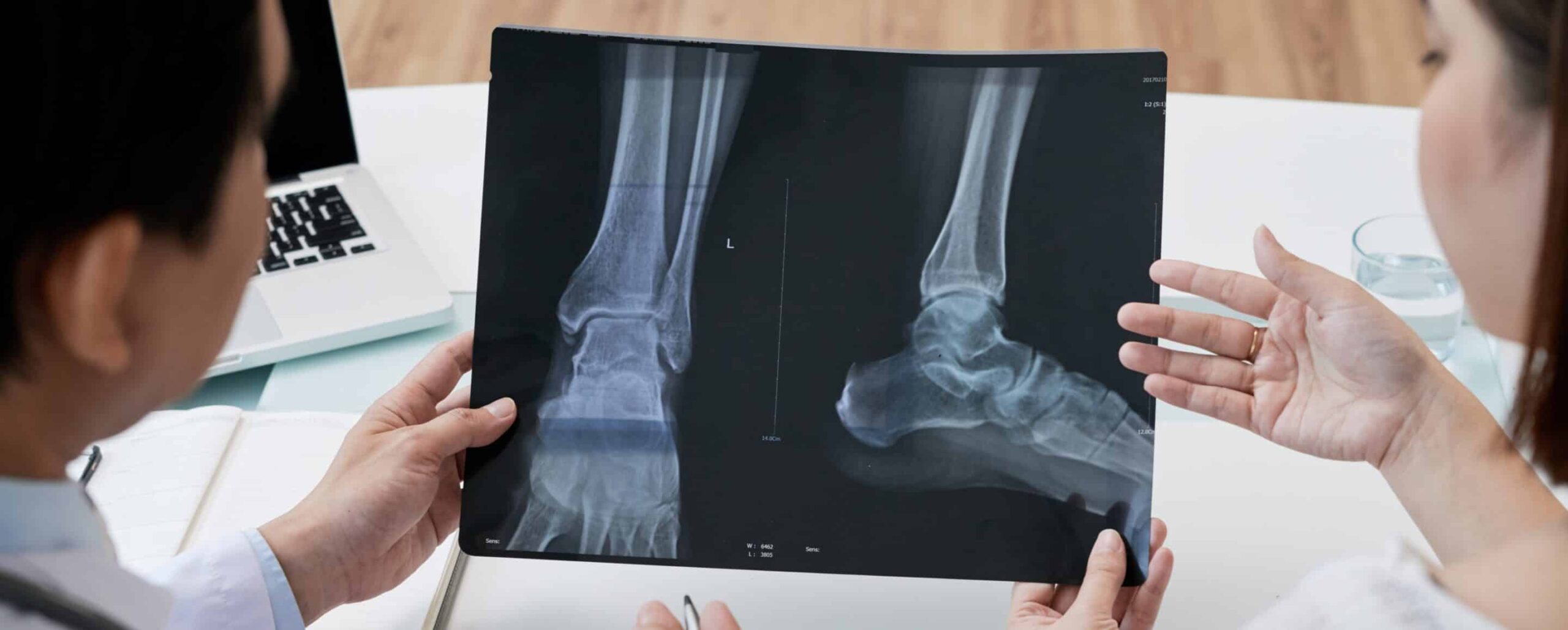
A stress fracture is a small crack in a bone that is caused by repetitive stress. It is most common in the weight-bearing bones of the lower leg and foot, but can also occur in other bones, such as the pelvis, spine, and ribs.
Stress fractures are often caused by increasing the amount or intensity of physical activity too quickly. This can happen when you start a new exercise program, increase the intensity of your employment, or play a sport that you are not used to.
Other factors that can increase your risk of stress fractures include:
Stress fractures are a common type of injury that can occur in maritime employment due to the demanding nature of the work and the unique conditions experienced at sea. Here are some potential causes of stress fractures in maritime employment:
Maritime workers often engage in repetitive activities that can place excessive stress on certain parts of the body. Tasks such as lifting heavy objects, handling equipment, or climbing ladders repeatedly can lead to stress fractures over time.
Maritime workers may be exposed to constant vibrations and impacts while operating machinery or working on vessels. These vibrations and shocks can contribute to the development of stress fractures, especially in the lower extremities.
Improper or inadequate footwear can exacerbate the risk of stress fractures. Maritime workers may need to navigate slippery decks or uneven surfaces, and if they are not wearing appropriate footwear with good shock absorption and support, it can increase the strain on their bones.
Poor ergonomics in the workplace, such as poorly designed workstations or inadequate equipment, can contribute to stress fractures. If workers have to maintain awkward or unnatural postures or use equipment that is not properly adjusted to their body mechanics, it can increase the risk of stress fractures.
Maritime work can be physically demanding, and long hours and high workloads can lead to fatigue and overexertion. When workers are fatigued, their muscles become less effective at absorbing shock, which can put extra stress on the bones and increase the likelihood of stress fractures.
The maritime environment can pose additional challenges that contribute to stress fractures. Constant exposure to wet and slippery surfaces, extreme weather conditions, and constant motion of the vessel can increase the risk of falls and injuries that can result in stress fractures.
Inadequate rest and recovery time between shifts or during periods of intense work can prevent the body from healing and repairing minor bone damage. Without sufficient time to recover, accumulated stress on the bones can lead to stress fractures.
Fractures are a type of broken bone, but the symptoms may not be immediately, or obviously, apparent. Often, stress fractures do not cause severe swelling or disfigurement of the area. Instead, the common symptoms of a stress fracture may include:
The treatment for stress fractures typically involves rest, ice, compression, and elevation (RICE). In some cases, you may need to wear a cast or brace. Here is an overview of RICE:
In addition to RICE, you may also need to wear a cast or brace to protect the affected bone and allow it to heal. In some cases, surgery may be necessary to repair a stress fracture.
The length of time it takes for a stress fracture to heal depends on the severity of the fracture and the individual’s overall health. Most stress fractures heal within 6-8 weeks. However, some stress fractures may take longer to heal. It is important to allow the bone to heal completely before returning to full activity. Otherwise, you may increase your risk of a more serious fracture.
If a fracture or broken bone does not heal properly, maritime workers are at risk for potentially serious complications, such as:
Even though a stress fracture may seem like a mild to moderate injury, it is important to get adequate and timely medical treatment to avoid complications.
It is important for maritime employers to prioritize worker safety and implement measures to reduce the risk of stress fractures. Maritime employers are responsible for training and supervision, providing a safe working environment, and providing appropriate safety equipment.
In addition to the responsibilities of employers, maritime workers can also take measures to reduce the risk of fractures and other injuries. Here are some tips to help prevent stress fractures:
Regular health screenings and early intervention for any signs of stress fractures are also essential to prevent further complications.
If you suffer a fracture in the maritime industry, it is important to take immediate action to ensure your safety and seek appropriate medical attention. Here are some steps to follow if you experience a fracture:
Remember, it is crucial to prioritize your health and well-being when dealing with a fracture or any other injury. By promptly seeking medical attention and following the necessary protocols, you can ensure proper treatment and support during your recovery process.
In addition to the above steps, you may find it helpful to discuss your situation with a maritime injury attorney. An attorney can help you understand your legal rights and options, gather evidence to support your claim, and negotiate with the other party. If necessary, they can also file a lawsuit on your behalf.
Here are some of the specific ways an attorney can help you after a maritime injury:
If you have been injured in a maritime accident, it is important to contact an attorney as soon as possible. An attorney can help you protect your legal rights and get the compensation you deserve.
Injuries like stress fractures may seem relatively simple. However, when an injury occurs while working a maritime job, there are many factors to consider before attempting to obtain benefits or compensation. If you have been injured, you should know that you are not alone. The maritime injury attorneys at Kherkher Garcia can help.
With more than 30 years of experience helping maritime workers obtain compensation for injuries, we know what it takes to build a strong case and get results. Maritime law may be complex, but getting the compensation you deserve doesn’t have to be.
Find out more with a free consultation with our maritime injury attorneys. All you have to do is call us at 713-333-1030, or complete our online form.
Image by pressfoto on Freepik

This page has been written, edited, and reviewed by a team of legal writers following our comprehensive editorial guidelines. This page was approved by attorneys Steve Kherkher and Jesus Garcia Jr., who have more than 50 years of combined legal experience championing the rights of those who have experienced catastrophic injury due to negligence.
Connect with a Kherkher Garcia trial lawyer today to pursue maximum compensation for your injury.