Call Us Today
Call Us Today
Steve Kherkher - May 22, 2023

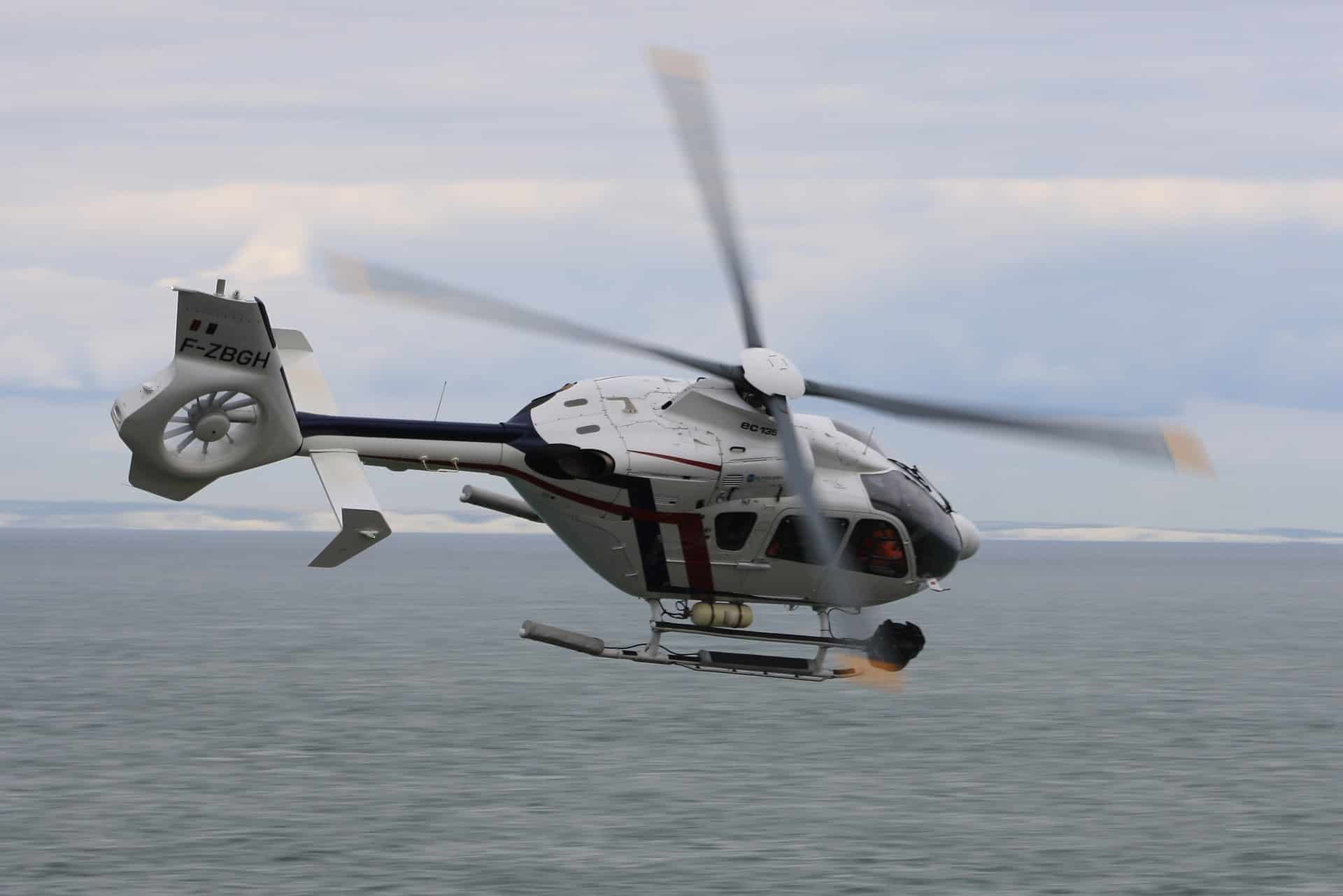
Maritime and aviation may seem like two distinct industries. But in reality, they are linked in many ways. First, as offshore extraction work increases, there is an increasing need for pilots and personnel to transport goods, materials, supplies, and workers to and from offshore locations. In the military, maritime aviation is important for transporting personnel, evacuation during emergencies, and search and rescue missions.
Like other maritime occupations, there are inherent risks involved in maritime aviation. It is important that pilots and aviation personnel be aware of their rights under maritime law, especially if they suffer an accident or injury during the course of their work.
At Kherkher Garcia, LLP, our offshore injury lawyers help clients with all manner of maritime accidents and injuries, including aviation accidents. Below, we provide information about aviation risks, accidents, and your legal rights if you are injured.
Maritime aviation is essential for keeping our oceans safe and secure. It allows us to respond to emergencies, enforce laws, protect the environment, and transport goods and people. Maritime aviation plays a vital role in the maritime industry. It is used for a variety of purposes, including:
Maritime aviation jobs, which involve flying aircraft in and around maritime environments such as oceans, seas, and coastal areas, can come with certain dangers and risks. Here are some of the potential hazards associated with maritime aviation jobs:
Operating aircraft over water exposes pilots to various weather conditions, including storms, high winds, fog, and heavy rain. These conditions can reduce visibility, affect aircraft performance, and increase the risk of accidents.
In the event of an emergency or technical failure, pilots may be required to perform water landings or ditching maneuvers. These situations pose significant risks, such as the potential for a crash landing, capsizing, or sinking. Surviving a water landing and ensuring the safety of passengers and crew can be challenging.
Maritime aviation jobs often involve flying to remote locations, such as offshore oil rigs, research vessels, or remote islands. These areas may lack suitable landing facilities or emergency services, making it harder to access assistance in case of an emergency or medical evacuation.
Maritime aviation jobs often involve search and rescue operations, which can be highly demanding and dangerous. Pilots may have to navigate difficult conditions, such as rough seas, limited visibility, or challenging terrain, while conducting search and rescue missions.
Unlike land-based aviation, maritime aviation offers limited escape options in the event of an emergency. The absence of nearby airports or suitable landing areas can limit the pilot’s ability to safely land the aircraft or seek immediate assistance.
Aircraft systems can experience malfunctions, especially when operating in corrosive marine environments. Malfunctions can range from minor issues to critical failures, such as engine problems or avionics failures, which can pose serious risks to the safety of the aircraft and its occupants.
Maritime aviation jobs often involve long flights, extended hours of duty, and irregular schedules. Fatigue can impair a pilot’s judgment, decision-making, and reaction times, increasing the risk of accidents.
Pilots operating in maritime environments may encounter additional hazards, such as floating debris, marine wildlife, or oil spills. These factors can pose risks to the aircraft and crew, requiring pilots to exercise caution and adapt their flying techniques accordingly.
To mitigate these dangers, rigorous training, adherence to safety protocols, and ongoing monitoring and maintenance of aircraft and equipment are essential. Pilots must also stay informed about weather conditions, follow proper procedures for emergency situations, and maintain good situational awareness to ensure the safety of themselves and their passengers.
Maritime aviation is a dangerous industry, and crashes are unfortunately not uncommon. In recent years, there have been many aviation crashes. Below is a sample of a few aviation incidents that took place within the past few years:
These examples represent only a small portion of aviation incidents that occur each year.
Maritime aviation accidents can lead to various injuries, some of which are specific to the nature of the environment. Here are some common injuries that can occur in maritime aviation accidents:
During a crash landing or ditching maneuver, occupants of the aircraft can sustain impact injuries. These may include fractures, contusions, lacerations, and head injuries resulting from the sudden deceleration or impact with objects within the aircraft.
Water landings or ditching situations pose the risk of occupants becoming submerged in water. Drowning or near-drowning injuries can occur if individuals are unable to exit the aircraft or maintain their airway in water.
When exposed to cold water for an extended period, occupants can develop hypothermia, which is a dangerous drop in body temperature. Hypothermia can lead to confusion, loss of coordination, cardiac issues, and other complications if not addressed promptly.
In the event of a post-crash fire or fuel leakage, occupants can sustain burn injuries. These injuries may range from mild to severe, depending on the extent and severity of the fire or exposure to hot substances.
The impact of a crash or sudden deceleration can result in spinal injuries, such as fractures, herniated discs, or spinal cord damage. These injuries can lead to paralysis or long-term disability.
Accidents can cause sprains, strains, and tears in soft tissues, including muscles, tendons, and ligaments. Rapid movements, turbulence, or impact can contribute to these types of injuries.
Head injuries are a common occurrence in aviation accidents. These injuries can range from minor concussions to severe traumatic brain injuries (TBIs). The impact of a crash, objects flying within the cabin, or rapid acceleration/deceleration can cause head injuries.
Maritime aviation accidents can have a profound psychological impact on survivors and witnesses. Post-traumatic stress disorder (PTSD), anxiety, depression, and other psychological conditions may result from the experience of the accident.
The severity of injuries can vary depending on factors such as the type of accident, the size of the aircraft, the speed of impact, and the use of safety equipment. Prompt medical attention and access to appropriate rescue and medical facilities are crucial in addressing injuries and improving chances of survival and recovery in maritime aviation accidents.
Aviation accidents that occur in maritime environments can involve a complex intersection of aviation law and maritime law. The specific legal framework that applies depends on various factors, including the location of the accident, the type of aircraft involved, the nature of the operation, and the applicable international treaties and regulations.
Maritime law generally applies to incidents and injuries that directly relate to maritime activities, such as accidents involving ships, vessels, or maritime workers. In the context of aviation, the coverage of maritime law may depend on factors such as the location of the accident, the nature of the operation, and the specific laws and regulations of the jurisdiction involved.
In some cases, if an aviation accident occurs in a maritime environment and involves a vessel, such as a seaplane or helicopter operating from a ship, aspects of maritime law may come into play. This could include issues related to vessel operations, salvage, or maritime-specific liability provisions.
However, when it comes to personal injury claims resulting from aviation accidents, including maritime aviation accidents, the legal framework primarily revolves around aviation law rather than maritime law. Aviation law encompasses various international treaties, national regulations, and legal principles that specifically govern aviation safety, liability, and compensation.
Maritime law is complex. Add to that the complexities of aviation accidents or injuries, and it can be very difficult to determine what rights and options you have. That’s why it is crucial to consult with an offshore injury lawyer to understand the specific legal framework and rights applicable to maritime aviation injuries.
At Kherkher Garcia, we understand the complexities of both maritime and aviation law. Our accident lawyers help clients understand their rights and every possible option for recovering compensation after an injury. Here are some examples of how we help support and guide our clients:
In the aftermath of a maritime aviation accident, investigations are typically conducted to determine the causes and contributing factors. The investigation process may involve agencies responsible for aviation safety, maritime authorities, and international organizations like the International Civil Aviation Organization (ICAO) and the International Maritime Organization (IMO). The investigation findings can impact liability and compensation claims.
Depending on the circumstances of the accident, certain maritime laws may provide benefits and compensation. Maritime workers who are injured in an aviation accident may qualify for coverage under the Jones Act or the Longshore and Harbor Workers’ Compensation Act. They may also qualify for maintenance and cure benefits.
Determining liability and seeking compensation for maritime aviation accidents can be complex. Liability may be attributed to various parties, including aircraft operators, pilots, maintenance personnel, air traffic controllers, manufacturers, and others. The legal principles of negligence, strict liability, or international conventions such as the Montreal Convention or the Athens Convention can govern liability and compensation claims.
Under maritime law, there may be provisions for the limitation of liability, which can restrict the amount of compensation that can be claimed by victims or their families. These limitations vary depending on the applicable laws, the type of vessel involved, and the circumstances of the accident.
Aviation accidents in maritime environments often require specialized insurance coverage. Insurance policies may need to address both aviation and maritime risks, including hull and liability coverage for the aircraft, passenger and crew coverage, and protection against pollution and environmental damages.
Navigating the legal aspects of maritime aviation accidents requires expertise in both aviation law and maritime law. Our team has experience in these areas can assist in understanding the applicable regulations, filing claims, and pursuing compensation for victims or their families.
Maritime law and related aviation accidents are traumatic for those involved and their loved ones. If you or a family member has been injured in a maritime aviation accident, Kherkher Garcia can help you explore your rights and options.
We offer a 100% free consultation to every potential client. If you want to learn more about your rights and how to get compensation for your injuries, contact us today. Call 713-333-1030, complete our online form, or chat with our legal team on our website.

This page has been written, edited, and reviewed by a team of legal writers following our comprehensive editorial guidelines. This page was approved by attorneys Steve Kherkher and Jesus Garcia Jr., who have more than 50 years of combined legal experience championing the rights of those who have experienced catastrophic injury due to negligence.
Connect with a Kherkher Garcia trial lawyer today to pursue maximum compensation for your injury.