Call Us Today
Call Us Today
Steve Kherkher - May 25, 2023

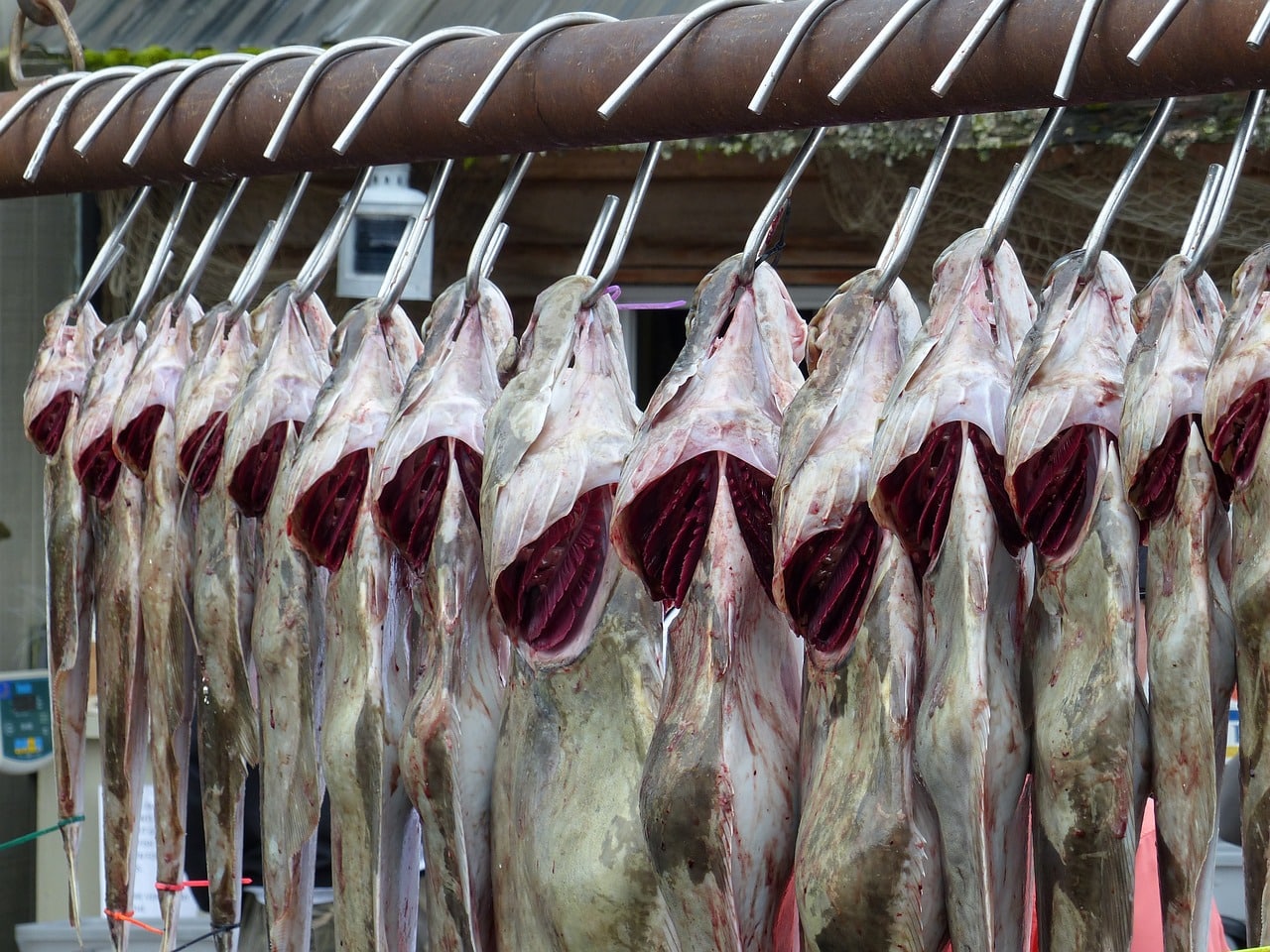
Like other areas of maritime work, fishing and fish processing are dangerous occupations. Fish processors must use a variety of equipment and machinery to complete their tasks. This exposes them to hazards, especially if proper safety measures are not followed, or if equipment is improperly maintained.
At Kherkher Garcia, LLP, we have seen firsthand how dangerous the maritime industry can be. Our offshore injury lawyers have helped numerous individuals in the maritime industry protect their rights and obtain compensation for injuries sustained on the job.
In this article, our attorneys discuss the hazards of fishing and fish processing, as well as common fish processing equipment injuries. We also provide tips for how to prevent injuries, and why it is helpful to work with a maritime injury attorney.
Fish processors are an important part of the commercial fishing industry. Processors onboard ships include a team of maritime workers who pull in fish, clean them, process them, and ensure they are safely stored for transport. Fish processors work long hours in sometimes brutal conditions.
Once the fish are safely transported, the work doesn’t stop there. Next, other fish processors will further break down the fish and package it for retail or fish markets. Fish must be processed in a timely manner in order to ensure it is fresh and safe for consumption.
Fish processing equipment on fishing boats is used to prepare fish for sale. The type of equipment used depends on the type of fish being processed and the size of the fishing boat. Some common types of fish processing equipment include:
The use of fish processing equipment on fishing boats helps to improve the safety and efficiency of fish processing. It also helps to ensure that fish is processed in a sanitary manner and meets food safety standards.
Here are some of the benefits of using fish processing equipment on fishing boats:
Commercial fishing is one of the most dangerous occupations in the United States. According to the Centers for Disease Control and Prevention (CDC), commercial fishermen experience work-related fatalities at a rate over 40 times higher than the average worker. Some of the most common commercial fishing incidents include:
Fish processing equipment injuries can occur in various stages of the fish processing industry, from the initial handling of fish to the final packaging and distribution. These injuries can range from minor cuts and bruises to severe traumatic incidents. Here are some common fish processing equipment injuries:
Fish processing involves the use of sharp tools such as knives, filleting blades, and cutting machines. Workers can sustain cuts and lacerations while handling these tools, especially if they are not properly trained or if the equipment is defective. Careless handling or slippery surfaces can also contribute to these injuries.
Fish processing machinery, such as band saws and slicing machines, have the potential to cause traumatic amputations if safety precautions are not followed. Workers’ hands or fingers can get caught in moving parts or exposed blades, leading to severe injuries and permanent disabilities.
Fish processing tasks often require repetitive motions, prolonged standing, and heavy lifting. These repetitive actions and physical strain can lead to musculoskeletal injuries such as sprains, strains, back pain, and joint problems. Improper ergonomics, inadequate training, and overexertion can exacerbate these injuries.
Fish processing may involve hot water, steam, or other heat sources for tasks like scalding or cooking. Workers can sustain burns if they come into contact with hot liquids, equipment, or surfaces. Inadequate protective measures, malfunctioning equipment, or lack of training on heat-related hazards can contribute to these incidents.
Fish processing often involves tasks that generate particles, debris, or chemicals that can cause eye injuries. Flying scales, bone fragments, or cleaning agents can enter the eyes, leading to corneal abrasions, chemical burns, or foreign body injuries. Insufficient use of personal protective equipment (PPE), such as safety goggles or face shields, increases the risk of eye injuries.
Fish processing facilities often have wet and slippery surfaces due to water, fish residue, oils, or cleaning fluids. Workers can slip, trip, and fall, leading to various injuries such as sprains, fractures, head injuries, or spinal injuries. Inadequate floor drainage, improper footwear, and inadequate warning signs or barriers contribute to these accidents.
Fish processing equipment, such as grinders, conveyors, and pumps, can generate high levels of noise. Prolonged exposure to excessive noise without proper hearing protection can cause noise-induced hearing loss (NIHL) over time. Workers in fish processing facilities should wear appropriate hearing protection to prevent this occupational hazard.
Fish processing equipment requires electrical power for operation. Faulty wiring, damaged cords, or malfunctioning equipment can result in electrical shocks to workers. Inadequate maintenance, improper grounding, or lack of safety precautions can increase the risk of electrical accidents.
To reduce the risk of fish processing equipment injuries, it is essential to implement proper safety measures. Such measures may include:
Ship owners and operators are required to maintain a safe work environment and a seaworthy vessel. Similarly, dockside fish processing facilities also have regulations for safe operation and supervision. When owners, operators, or employers fail to maintain a safe environment, fail to maintain equipment, or fail to provide training or PPE, they can be liable if workers become injured.
Fishermen and fish processors, as maritime workers, are afforded certain rights and protections under maritime law. Here are some key rights and protections that fishermen are entitled to under maritime law:
Fishermen injured while working on a vessel are entitled to receive maintenance and cure benefits. Maintenance refers to daily living expenses, such as food and lodging. The employer must provide for these expenses until the victim reaches maximum medical improvement. Cure refers to the employer’s obligation to cover the injured seaman’s medical expenses, including hospitalization, surgeries, medications, and rehabilitation, until they have achieved maximum medical improvement.
The Jones Act, officially known as the Merchant Marine Act of 1920, provides protection to seamen, including fishermen, who work on vessels in navigable waters. Under the Jones Act, fishermen are entitled to compensation for injuries caused by the negligence of their employers or fellow crew members. This includes the right to sue for damages, including medical expenses, lost wages, pain and suffering, and disability benefits.
While not specific to fishermen, the LHWCA provides benefits and protections to maritime workers, including those engaged in loading, unloading, repairing, or building vessels. Fishermen who perform such activities may be covered under the LHWCA if they meet the criteria. The LHWCA provides compensation for work-related injuries, medical benefits, and disability benefits to eligible workers.
Fishermen are protected from retaliation by their employers for asserting their rights under maritime law. If a fisherman faces adverse employment actions, such as termination, demotion, or harassment, as a result of exercising their legal rights, they may have a claim for retaliation under maritime law.
It is important to note that specific maritime rights and protections may vary depending on factors such as the nature of employment, the type of vessel, and the jurisdiction in which the injury occurs. Consulting with an experienced maritime injury attorney is crucial to understanding and asserting your rights effectively under maritime law.
Working with an attorney can help ensure that your claims are handled properly – from completing applications or forms to finalizing any benefits or settlements. Maritime law is complex, and injury claims are most successful with an attorney on your side.
If you have been injured while working as a fish processor, fisherman, or other maritime occupation, contact Kherkher Garcia today. Let us put our decades of maritime law experience to work for you and get you the compensation that you deserve. For a free, no obligation consultation, call us at 713-333-1030.

This page has been written, edited, and reviewed by a team of legal writers following our comprehensive editorial guidelines. This page was approved by attorneys Steve Kherkher and Jesus Garcia Jr., who have more than 50 years of combined legal experience championing the rights of those who have experienced catastrophic injury due to negligence.
Connect with a Kherkher Garcia trial lawyer today to pursue maximum compensation for your injury.