Call Us Today
Call Us Today
Steve Kherkher - March 18, 2024

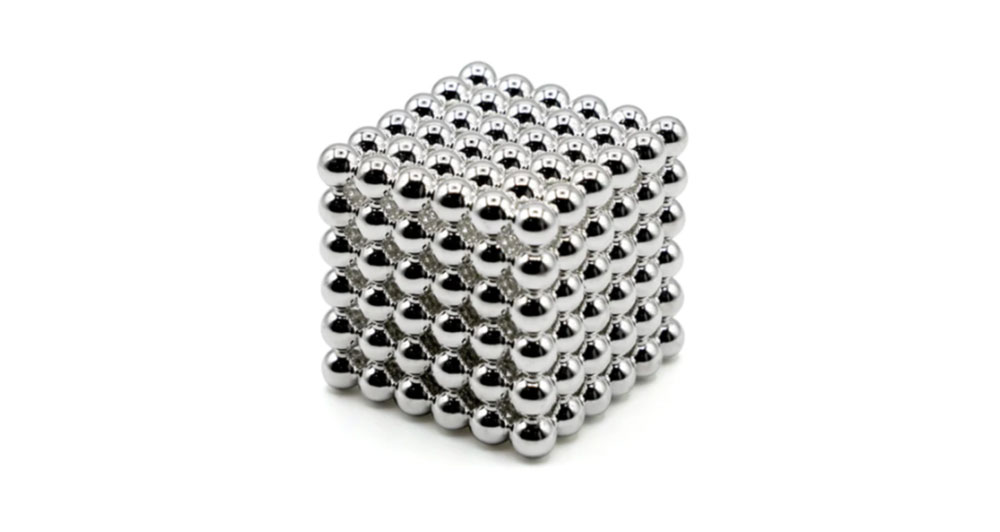
Children are naturally curious beings, exploring the world around them with boundless energy and fascination. However, this curiosity can sometimes lead to unforeseen dangers, especially when it comes to small objects that pose a risk of ingestion. In recent months, the Consumer Product Safety Commission (CPSC) has issued recalls for at least three varieties of magnetic toys containing small balls or spheres. Most recently, the CPSC has expanded the magnetic toy recall to include additional brands and products.
Unlike other small objects that may pass through the digestive system without incident, magnets pose a distinct threat due to their magnetic properties. When multiple magnets are ingested, either accidentally or through misguided play, they can attract one another across intestinal walls, leading to serious complications.
In January, our children’s product liability lawyers provided information about the first magnetic toy recall of Relax 5mm Science Kits. Below, we provide details about the two latest recalls and what parents can do to reduce the risk of ingestion and potentially life-changing injuries.
On March 7, 2024, the CPSC issued two additional recalls for products containing magnetic balls that do not meet federal regulations. The magnets in these products are stronger than is permitted, which is particularly hazardous due to the small size of the balls. If a child ingests these magnets, they could attract each other, other metal objects, or become lodged in the digestive system. The two new recalls are as follows:
Magnetic ball sets and other small magnetic toys are popular among children. These objects can appear innocent enough at first glance. However, the danger lies in their size and the powerful force with which they can attract one another. Parents should be mindful of any magnetic items in their home, but especially magnets that are small enough to be ingested.
When a child swallows multiple magnets, the magnets can become lodged in different parts of the digestive tract as they attract one another through the walls of the intestines. This attraction can result in the formation of constricting chains or clusters of magnets, causing pressure on the surrounding tissue and potentially leading to perforations or blockages.
The danger is compounded by the fact that symptoms of magnet ingestion may not be immediately apparent. While some children may experience abdominal pain, nausea, vomiting, or fever shortly after swallowing magnets, others may show no outward signs of distress. This delayed onset of symptoms can make it challenging for caregivers to recognize the seriousness of the situation until complications arise.
In recent years, there has been a growing awareness of the dangers posed by small magnets, particularly in the form of magnetic ball sets marketed as desk toys or stress relievers. Reports of children requiring emergency medical intervention due to magnet ingestion have prompted increased scrutiny from regulatory agencies and advocacy groups. According to the CPSC, between 2017 and 2021, there were at least 2,400 magnet ingestion cases in emergency rooms across the United States. Since 2005, there have been at least five reported deaths due to ingestion of magnets.
Preventing magnet ingestion begins with awareness and proactive measures to keep small magnets out of reach of young children. Caregivers should be vigilant about identifying and removing potential hazards from the environment, including magnetic toys, jewelry, and other small objects that could be ingested. Increasingly, parents and caregivers should be aware of the expanding magnetic toy recall and the safety alerts provided by the CPSC.
Additionally, it is essential to educate children about the dangers of swallowing magnets and to supervise them closely during playtime, especially with toys containing small parts. Encouraging safe and age-appropriate play habits can help reduce the risk of accidental ingestion and other preventable injuries.
As awareness of the hazards of magnet ingestion continues to grow, it is essential for caregivers, educators, and healthcare professionals to work together to promote safety and prevent accidents. This includes advocating for stricter regulations on the design and marketing of magnetic toys, as well as providing resources and support for families affected by magnet-related incidents.
By fostering a culture of safety and responsibility, we can help protect children from the silent danger posed by small magnets and ensure that they can explore the world around them with confidence and curiosity, free from unnecessary risks. Together, we can raise awareness, promote prevention, and ultimately save lives.
Despite best efforts to prevent magnet ingestion, accidents can still happen. If a child is suspected of swallowing magnets or other small objects, it’s crucial to seek medical attention immediately. Time is of the essence, as prompt intervention can help prevent serious complications and minimize the potential for long-term harm.
Healthcare providers may use diagnostic imaging such as X-rays or ultrasounds to locate and assess the position of ingested magnets within the digestive tract. Treatment options may include observation, endoscopic removal, or, in severe cases, surgical intervention to address complications such as perforations or blockages.
Whether parents should contact a lawyer if their child is injured by a recalled product depends on the specific circumstances of the injury and the recall, as well as the severity of the injury and potential long-term effects. Here are some factors to consider:
Consulting with a lawyer can provide clarity on the available options and help parents make informed decisions about how to proceed in seeking justice and compensation for their child’s injuries. If your child has been injured due to a product subject to the magnetic toy recall, consulting a lawyer may provide valuable insight.
As consumers, we all hope that the products we purchase are safe. Recalls like those above highlight the unfortunate fact that many products are manufactured and sold without complying with federal safety regulations. When this happens, consumers are put at risk.
If you have questions about a product-related injury, Kherkher Garcia can help. Our children’s product liability lawyers are passionate about helping consumers understand and protect their legal rights. If you are concerned about a product that is subject to recall, or someone in your family has been injured by a defective product, contact us to learn more about your rights and options.
Our children’s product liability lawyers provide a free consultation to consumers with questions or concerns. Get started with your consultation by calling us at 713-333-1030, or by completing our online contact form.
Resources:

This page has been written, edited, and reviewed by a team of legal writers following our comprehensive editorial guidelines. This page was approved by attorneys Steve Kherkher and Jesus Garcia Jr., who have more than 50 years of combined legal experience championing the rights of those who have experienced catastrophic injury due to negligence.
Connect with a Kherkher Garcia trial lawyer today to pursue maximum compensation for your injury.