
Call Us Today
Call Us Today
Steve Kherkher - May 20, 2025

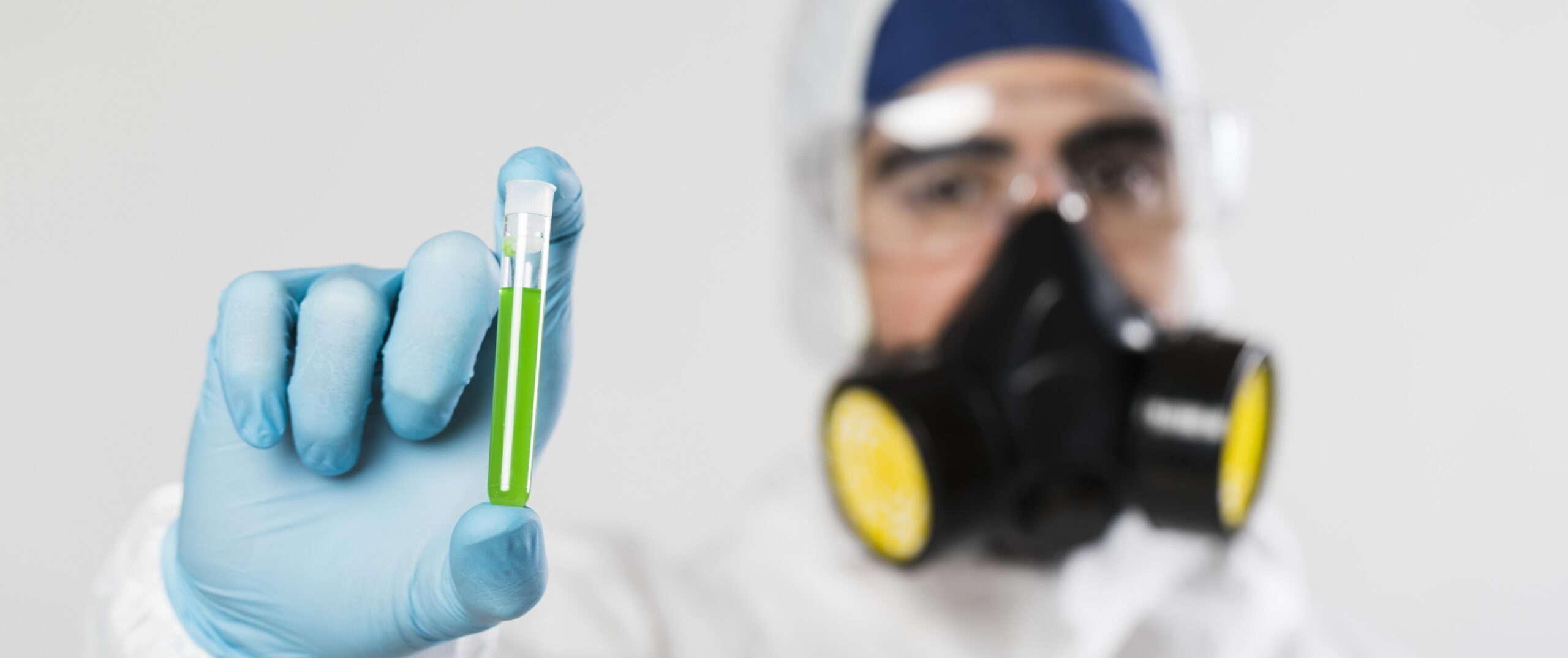
A chlorine gas leak at the Olin plant in Freeport triggered a shelter-in-place alert that affected schools and residents in Freeport, Clute, and Lake Jackson. Though the incident was brought under control within an hour, the health risks from such a leak may not be so easily contained.
The chlorine release was a stark reminder of the dangers of chemical exposure in industrial settings. These incidents are not only hazardous for workers but can also threaten surrounding communities.
At Kherkher Garcia, we represent individuals and families affected by toxic exposure, workplace accidents, and unsafe industrial practices. If you or a loved one has been injured by chemical exposure, understanding your rights is critical. Our chemical injury attorneys are here to help.
A chlorine gas leak at the Olin chemical plant in Freeport, Texas, triggered a shelter-in-place alert on Tuesday morning, affecting schools and residents in Freeport, Clute, and Lake Jackson. The incident, which occurred at Olin’s Plan B unit around 9 a.m., led Brazosport ISD to keep students indoors as a precaution while emergency sirens blared throughout the area.
Though the leak was brought under control quickly, the shelter-in-place order remained in effect for nearly two hours. Olin reported that all employees were accounted for and that any individuals potentially exposed to chlorine gas were undergoing medical evaluations.
The company, based in Clayton, Missouri, manufactures chlorine and other industrial chemicals used in plastics, paper, and detergents. In a statement, Olin emphasized its commitment to safety and confirmed that an internal investigation is underway to determine the cause of the gas release.
This incident raises significant concerns about industrial safety and the potential health risks to nearby communities. Individuals who believe they were affected by the chlorine release may want to seek legal counsel to understand their rights regarding potential exposure or health impacts.
Chemical exposure is a significant hazard in many industrial settings, including chemical plants, oil refineries, manufacturing facilities, and waste treatment centers. Workers in these environments may be exposed to toxic substances such as chlorine, ammonia, sulfur dioxide, hydrogen sulfide, and various solvents and acids.
Common Sources of Exposure Include:
When safety protocols fail – or when employers cut corners – the results can be catastrophic.
The recent incident at the Olin plant in Freeport involved chlorine gas, a commonly used chemical with highly toxic properties. Chlorine is widely used in the production of plastics, bleach, paper products, and industrial cleaners. While effective in controlled applications, chlorine gas can become extremely dangerous when accidentally released into the air.
Chlorine gas is highly irritating and corrosive to the respiratory system, eyes, and skin. In high concentrations or prolonged exposures, it can be fatal. Even at lower levels, it can lead to serious long-term health problems.
Short-term effects may include:
Long-term or high-dose exposure may result in:
Vulnerable populations, such as children, older adults, and individuals with asthma or other lung conditions, may be more severely affected even at lower exposure levels.
Chemical exposure can cause both immediate and long-term injuries. These injuries can range from relatively minor symptoms to life-altering conditions. Workers may suffer:
In some cases, exposure is acute and obvious, such as during a plant leak or spill. In other situations, exposure may be chronic and cumulative, with symptoms appearing years later. Regardless of how the exposure occurs, workers have a right to be protected—and to take legal action when they are not.
Workers in industrial facilities have the right to a safe workplace. Employers are legally obligated to implement safety protocols, provide appropriate protective equipment (PPE), conduct hazard assessments, and train employees to handle chemicals safely. When they fail to meet these standards, and a worker is harmed, legal remedies may be available. Potential legal options include:
If you were exposed to a chemical at work and suffered an injury, you may be entitled to workers’ compensation. This can help cover:
However, workers’ compensation often does not cover pain and suffering or punitive damages.
In some cases, a third party – such as a contractor, chemical supplier, or equipment manufacturer – may be liable for the exposure. In these cases, you may be able to file a lawsuit for:
If your injury is caused by long-term exposure to harmful substances, you may have grounds for a toxic tort lawsuit, especially if the exposure was hidden or the company failed to warn you about the risks.
If you suspect you were injured due to a chlorine gas leak or any toxic substance at work or in your community:
At Kherkher Garcia, we have decades of experience fighting for workers and families affected by industrial negligence and toxic exposure. We’ve handled cases involving chemical plant explosions, gas leaks, oil refinery accidents, and environmental contamination. Our legal team understands the science, the regulations, and the stakes.
We are committed to holding corporations accountable when their failure to follow safety protocols puts lives at risk. If you’ve suffered chemical exposure at work – or even as a member of the public – you may be entitled to substantial compensation.
If you were near a reported leak (like the one at the Olin plant in Freeport), and you experienced coughing, eye irritation, chest tightness, or breathing difficulties, you may have been exposed. A medical evaluation is essential. Exposure can be confirmed through symptoms, air quality tests, and biological markers in some cases.
Yes, but it depends on the circumstances. Workers’ compensation may cover some injuries. However, if a third party or gross negligence contributes to the injury, you may be eligible to file a personal injury lawsuit for broader damages.
Depending on your case, you may be eligible for compensation for:
If you were a nearby resident or student affected by an industrial chemical leak, you may still have a claim. Companies have a legal duty to protect the surrounding community from hazardous releases. A public nuisance or toxic tort claim may be available.
Yes. Every state has a statute of limitations, typically ranging from one to three years after the injury or discovery of the harm. Don’t wait. Early legal action helps preserve evidence and protect your rights.
If you or someone you love was harmed by a chemical leak, don’t face it alone. Industrial accidents are complex and often involve powerful corporations and their insurance companies. At Kherkher Garcia, we level the playing field.
We offer free consultations, and you won’t pay us unless we win your case. Call Kherkher Garcia today at 713-333-1030. You can also contact us online to learn how we can help you protect your health, your family, and your future.
Image by freepik

This page has been written, edited, and reviewed by a team of legal writers following our comprehensive editorial guidelines. This page was approved by attorneys Steve Kherkher and Jesus Garcia Jr., who have more than 50 years of combined legal experience championing the rights of those who have experienced catastrophic injury due to negligence.
Connect with a Kherkher Garcia trial lawyer today to pursue maximum compensation for your injury.



 Message Us
  Call Us