Call Us Today
Call Us Today
Steve Kherkher - October 9, 2023


Texas, known for its vast landscapes and abundant natural resources, has long been at the forefront of the American energy industry. With the discovery of shale formations rich in oil and natural gas, the state has seen a surge in hydraulic fracturing, or fracking, operations. While fracking has brought economic prosperity to many communities, it has also raised concerns among Texas landowners who fear fracking contamination of their precious lands and water resources.
In this article, the oil and gas field injury lawyers at Kherkher Garcia will explore the complex issue of fracking in Texas. We will explore the environmental challenges it poses, and the efforts to strike a balance between energy production and environmental preservation.
Fracking, or hydraulic fracturing, is a well stimulation technique involving the fracturing of formations in bedrock by a pressurized liquid. The process involves the high-pressure injection of “fracking fluid” (primarily water, containing sand or other proppants suspended with the aid of thickening agents) into a wellbore. This creates cracks in the deep-rock formations through which natural gas, petroleum, and brine will flow more freely.
Fracking has been used commercially for decades, but it has only become widely used in recent years due to advances in horizontal drilling technology. Horizontal drilling allows drillers to access shale and other tight rock formations that were previously inaccessible.
Fracking is a controversial process, with both proponents and opponents. Opponents of fracking argue that it can pollute water and air, cause earthquakes, and contribute to climate change. The main environmental concerns associated with fracking are:
Proponents of fracking argue that it makes the United States an energy superpower, reduces energy prices, and creates jobs. The main benefits of fracking are:
Texas, with its abundant shale deposits, has been a focal point of the fracking boom. The state’s energy sector continues to thrive, bringing economic growth, job opportunities, and an increase in revenue to local communities and the state government. The shale oil and gas production also contributes to reducing the nation’s dependence on foreign energy sources.
However, the rapid expansion of fracking operations has come at a cost, raising significant concerns about its environmental impact, particularly in relation to land and water contamination.
One of the primary concerns that Texas landowners have regarding fracking is the potential for water and soil contamination. Fracking involves the use of various chemicals, some of which are toxic, and the injection of large volumes of water into the ground. The fear is that these chemicals could migrate through the soil and groundwater, potentially contaminating drinking water sources and harming the land itself.
There have been numerous reports of water contamination in areas near fracking operations. In some cases, methane and other harmful chemicals have been found in drinking water wells, leading to concerns about its safety for human consumption and livestock use. Additionally, the disposal of wastewater from fracking, which can contain pollutants, poses a significant risk to local ecosystems if not managed properly.
Water and ground contamination from fracking can occur in a number of ways, including:
Water and ground contamination from fracking can have a number of negative consequences, including:
Texas landowners who live near fracking sites have been outspoken about their concerns. Many report changes in their water quality and even experience difficulties accessing clean water. Some have reported health problems they believe are linked to water contamination, such as skin rashes, respiratory issues, and gastrointestinal problems.
Furthermore, property owners report a decline in land values in areas near fracking operations, making it harder for landowners to sell their properties or pass them down to future generations. The visual and noise pollution associated with fracking sites can also affect the quality of life for nearby residents.
To address these concerns, the state of Texas has implemented regulations and industry best practices with the goal of minimizing the environmental impact of fracking. The Texas Railroad Commission, responsible for regulating the oil and gas industry in the state, has established rules related to well construction, wastewater disposal, and water quality monitoring. These regulations are designed to safeguard groundwater and surface water resources.
Many fracking companies in Texas have also taken steps to improve their practices. Some have adopted safer fracking fluid formulations, enhanced well integrity measures, and implemented stricter wastewater management procedures to mitigate environmental risks.
Unfortunately, there are still numerous reports about well casings failing, leaking, and oozing of chemicals into the soil, groundwater, and surface water. Continuous leaks from fracking wells no longer in use also continue to cause problems, including sinkholes and puddles that contain crude oil and other chemicals.
Balancing the energy needs of a growing population and the preservation of Texas’ natural environment is a complex and challenging task. While fracking has undeniable economic benefits, it also poses real environmental risks. Finding a middle ground requires careful consideration of several factors.
Texas landowners’ fears of fracking contamination are valid and highlight the complex challenges associated with balancing energy production and environmental preservation. While fracking has brought significant economic benefits to the state, it also carries environmental risks that lawmakers must address responsibly.
If you have become ill or have property damage due to fracking contamination, Kherkher Garcia can help. We are here to fight for your rights and hold responsible parties accountable. Contact us to find out more about your rights and legal options.
Your health, safety, and legal rights are important to us. Call 713-333-1030 now for a free consultation. You can also reach us online via our website contact form.
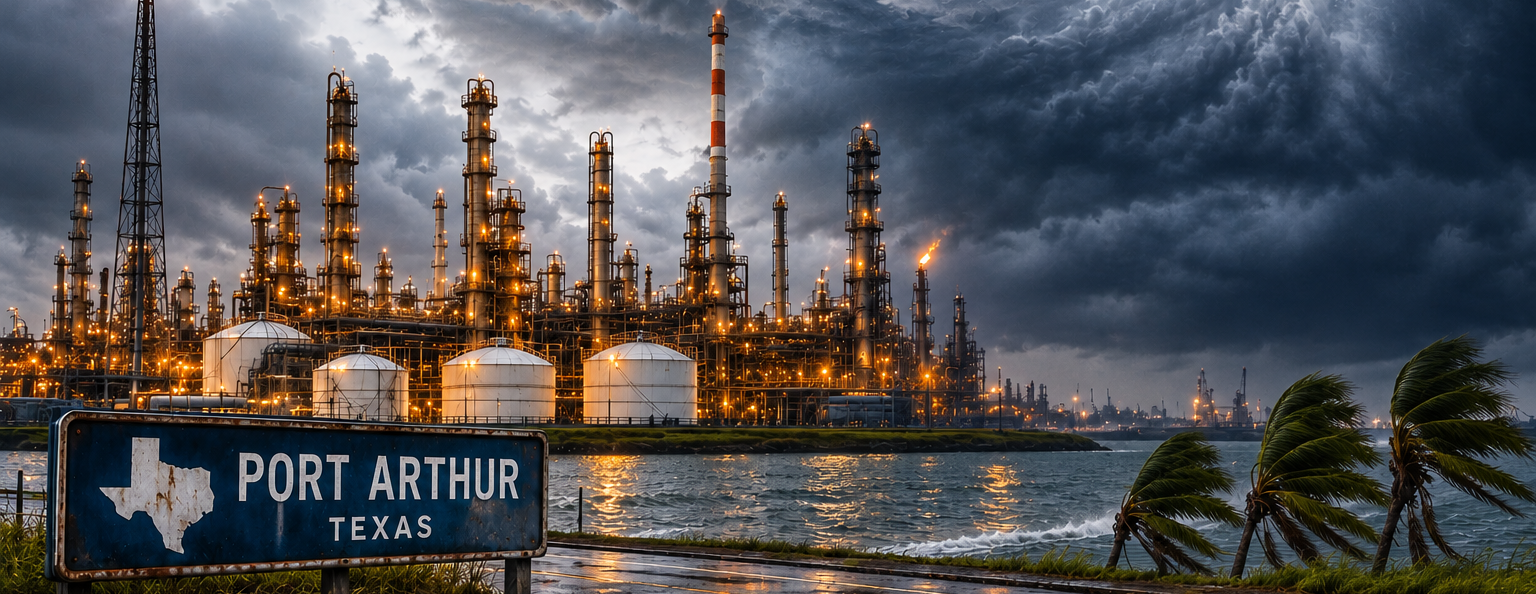
Image from ArtPhoto_studio on Freepik

This page has been written, edited, and reviewed by a team of legal writers following our comprehensive editorial guidelines. This page was approved by attorneys Steve Kherkher and Jesus Garcia Jr., who have more than 50 years of combined legal experience championing the rights of those who have experienced catastrophic injury due to negligence.
Connect with a Kherkher Garcia trial lawyer today to pursue maximum compensation for your injury.