Call Us Today
Call Us Today
Steve Kherkher - July 20, 2023

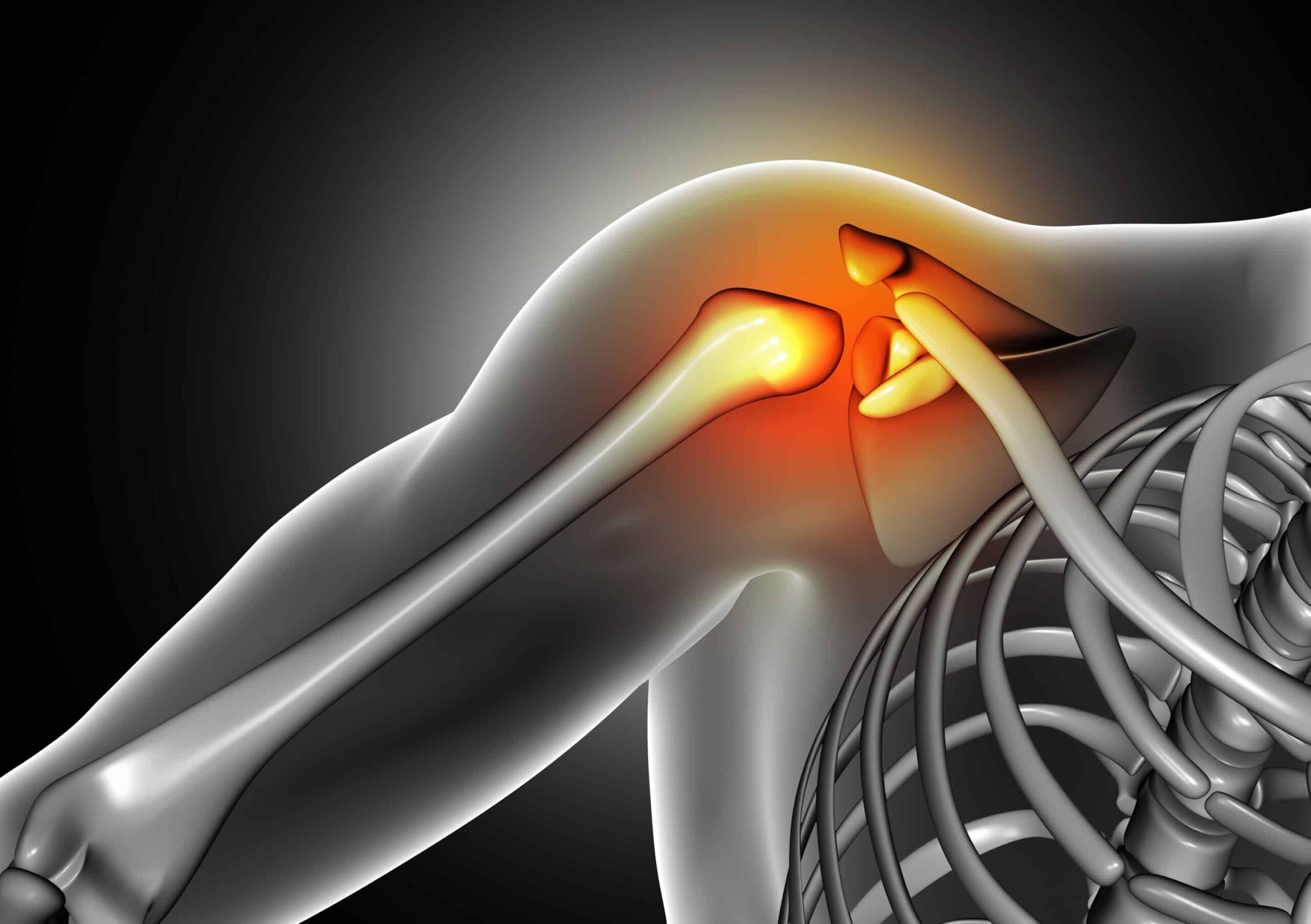
Working in the maritime industry puts a great deal of strain on the body. Shoulder injuries are one of the most common complaints among maritime workers. An unfortunate reality is that many maritime shoulder injuries could be prevented with adequate training, equipment, and safety gear.
It is important for maritime workers to know what their rights and options are if an injury occurs. In the below article, our Offshore injury lawyer discusses common maritime shoulder injuries, the causes, and possible benefits for maritime workers. We also provide information on how a maritime injury lawyer can help you get the benefits you deserve.
Maritime shoulder injuries can have various causes, and they often result from a combination of factors related to the nature of work onboard ships and vessels. Some common causes of maritime shoulder injuries include:
Maritime workers often engage in manual material handling, which may involve lifting heavy objects or cargo. Improper lifting techniques or attempting to lift objects that exceed a person’s physical capabilities can lead to shoulder injuries.
Tasks that require repetitive motions, such as pulling ropes, operating equipment, or performing maintenance activities, can strain the shoulder muscles and tendons, leading to overuse injuries.
Maritime workers may need to work in confined spaces or assume awkward positions while performing tasks, which can put additional stress on the shoulder joint and surrounding structures.
Rigging activities, such as lifting and securing heavy loads, can be physically demanding and increase the risk of shoulder injuries, particularly when using manual methods.
Slippery decks or unstable surfaces onboard ships can lead to slips, trips, and falls, resulting in sudden impacts on the shoulder joint and potential injuries.
Prolonged exposure to vibration from operating machinery or equipment can contribute to shoulder injuries over time.
Maritime workers may be involved in accidents onboard vessels, such as collisions or falls from heights, which can lead to traumatic shoulder injuries like fractures, dislocations, or tears.
Inadequate training in proper lifting techniques and safety procedures can increase the likelihood of shoulder injuries.
Long working hours, physically demanding tasks, and inadequate rest can contribute to worker fatigue and increase the risk of shoulder injuries.
Poorly designed workstations or equipment that do not consider ergonomic principles can lead to unnatural shoulder movements and contribute to injuries.
To reduce the occurrence of shoulder injuries in the maritime industry, it’s essential for employers to prioritize safety measures, provide proper training to workers, implement ergonomic practices, and conduct risk assessments to identify and address potential hazards.
In the maritime industry, shoulder injuries can occur due to various factors, including heavy physical labor, repetitive movements, awkward postures, and accidents onboard ships or vessels. Some common shoulder injuries experienced by maritime workers include:
The rotator cuff is a group of muscles and tendons that stabilize the shoulder joint. Tears in the rotator cuff can result from repetitive lifting, pulling, or overhead activities, as well as sudden trauma or accidents.
The labrum is a ring of cartilage that surrounds the shoulder socket. Labral tears can occur from traumatic incidents, repetitive motions, or overuse, and they can cause pain and instability.
Dislocations happen when the upper arm bone (humerus) pops out of the shoulder socket. Subluxations are partial dislocations. These injuries can be caused by falls, collisions, or other accidents onboard ships.
Maritime workers may sustain shoulder fractures in accidents involving heavy equipment, falling objects, or slips and falls on wet surfaces.
Tendinitis occurs when the tendons in the shoulder become inflamed, often due to repetitive movements or overuse. Maritime workers who perform repetitive tasks, such as lifting heavy cargo or operating equipment, may be at higher risk of developing tendinitis.
Bursitis is the inflammation of the bursa, small fluid-filled sacs that cushion the shoulder joint. It can be caused by repetitive motions or direct trauma to the shoulder.
This condition occurs when the tendons in the shoulder become compressed or pinched, often due to repetitive overhead movements. Maritime workers who frequently raise their arms above shoulder level, such as during rigging operations, may be prone to this injury.
Frozen shoulder is a condition where the shoulder joint becomes stiff and painful, often restricting movement. While the exact cause is not always clear, it can be linked to injury or prolonged immobility.
It is important for maritime workers to prioritize safety measures and use proper lifting techniques to minimize the risk of shoulder injuries. If a shoulder injury does occur, seeking immediate medical attention and following up with proper treatment can prevent long-term complications and ensure a smoother recovery.
Shoulder injuries can lead to various complications, especially if not properly treated or managed. The severity of complications can vary depending on the type and extent of the injury. Some common complications of shoulder injuries include:
It is crucial to seek medical attention promptly if a shoulder injury occurs to receive an accurate diagnosis and appropriate treatment. Early intervention and proper rehabilitation can help prevent or minimize complications and promote a more successful recovery.
The benefits that maritime workers can receive for shoulder injuries depend on several factors, including the type of employment, the specific circumstances of the injury, and the applicable laws and regulations. Maritime workers are generally covered under specific laws, such as the Jones Act and the Longshore and Harbor Workers’ Compensation Act (LHWCA), which provide different types of benefits.
Here are some potential benefits that maritime workers may receive for shoulder injuries:
Maritime workers who suffer shoulder injuries may be entitled to receive medical treatment and care related to their injury. This can include doctor’s visits, surgeries, physical therapy, prescription medications, and other necessary medical services.
Depending on the severity of the shoulder injury and its impact on the worker’s ability to work, disability benefits may be available. Disability benefits can be temporary or permanent and may be categorized as total or partial disability payments.
If a maritime worker’s shoulder injury prevents them from working or results in a loss of income, they may be eligible to receive compensation for lost wages. These benefits typically aim to provide income replacement during the period of recovery or disability.
In some cases, shoulder injuries may require ongoing rehabilitation and vocational training to help maritime workers return to work or find alternative employment. Rehabilitation benefits can cover the costs associated with such training and support.
If the shoulder injury prevents the worker from returning to their previous job, vocational rehabilitation benefits may be provided to assist in finding suitable alternative employment.
Under the Jones Act, seamen who suffer injuries while working aboard a vessel are entitled to maintenance and cure benefits. “Maintenance” refers to a daily living allowance to cover basic living expenses while the worker is recovering, and “cure” covers medical expenses related to the injury.
The specific benefits available and the process for obtaining them may vary depending on the circumstances and the laws applicable to the case.
A maritime lawyer can provide invaluable assistance to you and your family if you have suffered a maritime shoulder injury. At Kherkher Garcia, our lawyers help injury victims with the following:
A maritime lawyer’s expertise and experience in handling maritime injury cases can significantly increase the likelihood of obtaining fair compensation. Our lawyers provide much-needed support during a challenging time and work to achieve the best possible outcome for your case.
Maritime shoulder injuries are not only painful, but they can have a profound impact on your ability to work and support your family. At Kherkher Garcia, we are committed to helping maritime workers understand their legal rights and the options they have for benefits and compensation.
We are aggressive advocates for our clients, and will hold negligent employers, ship owners, operators, or other parties accountable if their actions cause you injuries. You can find out more about our services and how to get the compensation you need with a free consultation. All you have to do is call us at 713-333-1030, or fill out our online form.
Image by kjpargeter on Freepik.

This page has been written, edited, and reviewed by a team of legal writers following our comprehensive editorial guidelines. This page was approved by attorneys Steve Kherkher and Jesus Garcia Jr., who have more than 50 years of combined legal experience championing the rights of those who have experienced catastrophic injury due to negligence.
Connect with a Kherkher Garcia trial lawyer today to pursue maximum compensation for your injury.